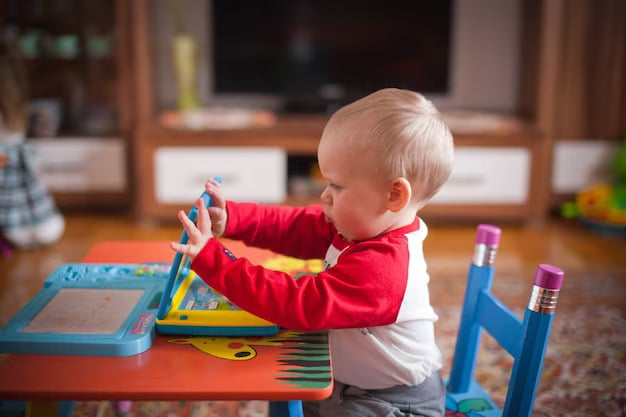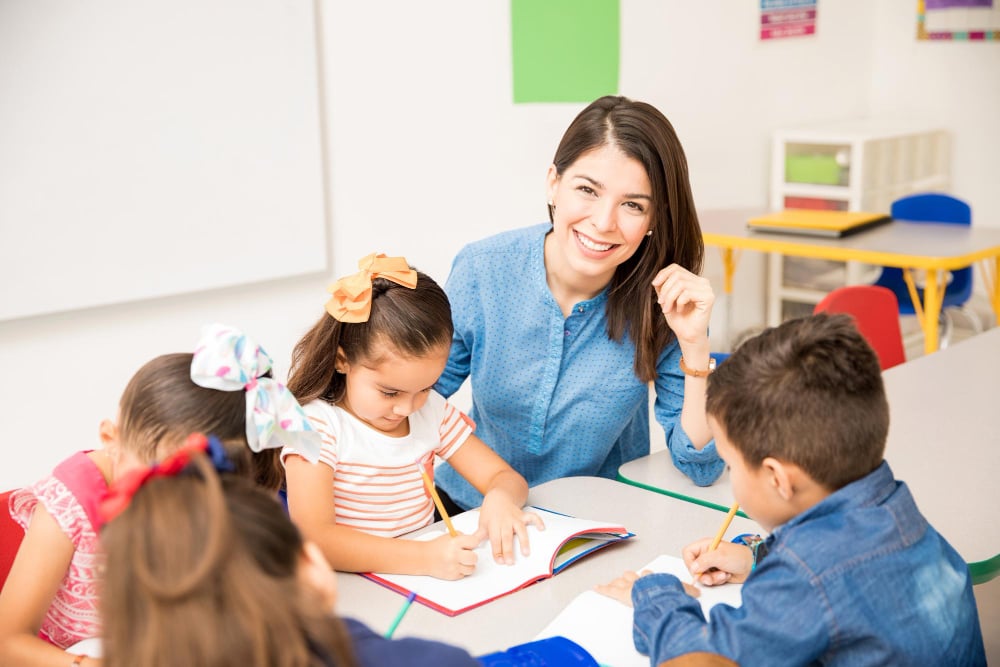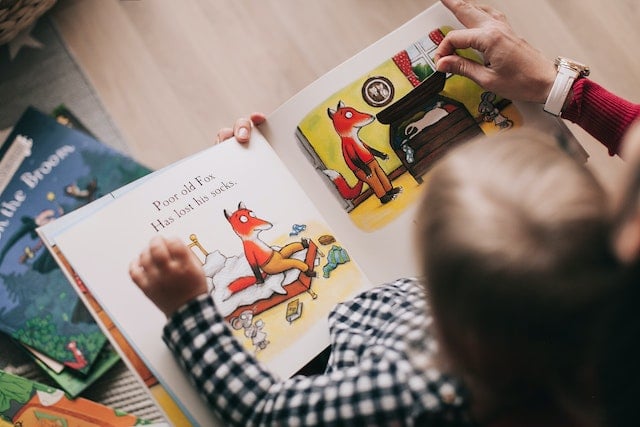
Child care providers need a strong foundation in communication, observation, curriculum, and guidance practices to effectively support children’s #development and create high-quality learning environments. Early Childhood Education offers 30 hours of comprehensive training that covers guiding and interacting with children, partnering with families and communities, designing learning environments, implementing curriculum, and conducting accurate observation, assessment, and documentation.
Through this course, participants learn how to build nurturing relationships, translate observations into meaningful goals, use #developmentally-appropriate materials, and collaborate with families, colleagues, and community partners. By mastering these essential skills, providers will enhance #classroom quality, strengthen family partnerships, and better support the individual needs and success of young children.
By the end of this training, the learner will be able to:
- Identify strategies for effective communication with families.
- Demonstrate an understanding of translating assessment and observational information into short and long term goal development
- Identify materials and equipment for childcare programs that meet the needs of specific age groups in both shared or permanent space and align with the programs curriculum
- Demonstrates understanding of the importance of room arrangement/environment.
- Demonstrate the elements of positive respectful relationships that include warm, nurturing interactions with children.
- Demonstrate an understanding of how to conduct objective and accurate observations.
- Demonstrate understanding of how teacher expectations/behaviors can contribute to student achievement.
- Identify materials and equipment for center childcare programs that meet the needs of specific age groups in both shared or permanent space and align with the programs curriculum
- Demonstrate understanding of how to write effect SMART Goals.
- Identify and use strategies for effective communication with community and colleagues.
- Demonstrate an understanding of the importance of establishing realistic expectations for behavior.
- Demonstrate an understanding of approaching parents as equal partners in learning.
- Demonstrate an understanding of using community resources for referrals.
- Identify and use community resources to support learning.
- Demonstrate an understanding of how to provide an environment that offers choices.
- Identify and discuss of the importance of using a variety of assessment methods.
- Identify the differences between developmental screening and assessments.
- Define classroom community.
- Identify guidance and discipline strategies to use with various behavior problems.
- Describe positive discipline strategies to use in the classroom.
- Demonstrate an understanding of facilitating resources and activities for families.
- Demonstrate understanding of the importance of collaboration with other professionals.
- Give examples of ways to show respect for family differences.
- Identify materials and activities to promote learning in the outdoor classroom.
- Recognize the importance of a positive and respectful attitude in working with all children and their families.
- Describe the benefits of an outdoor classroom.
- Describe the importance of learning centers in the early childhood education environment.
- Identify ways to examine child behavior to prepare for guidance.
- Demonstrate an understanding of how environment and equipment modifications support individual needs.
- Demonstrate appropriate caregiver responses to different infant/toddler temperaments.
- Demonstrate understanding of the components of a curriculum.
- Demonstrate an understanding of individual planning.
- Demonstrate an understanding of how to implement an Individual Education Plan.
- Demonstrate understanding of appropriate interaction with infants and toddlers.
- Demonstrate an understanding of how positive guidance promotes sound social and emotional development.
- Demonstrate understanding of positive alternatives of timeouts and certain disciplining techniques based on best practices.
- Recognize the needs of individualized learning in preschool.
- Demonstrate an understanding of how to implement an Individual Family Support Plan.
- Demonstrate understanding of developing strategies for involving parents in the child care setting.
- Demonstrate an understanding of emergent curriculum.
- Demonstrate understanding of the dynamics and the importance of a relationship between a parent and professional (.5 hr).
- Demonstrate understanding of the importance of parent/caregiver relationship
- Identify characteristics of project based learning in the classroom environment and curriculum
- Identify assessment tools.
- Recognize the importance and components of an effective parent questionnaire.
- Identify and demonstrate positive guidance techniques that promote social competency and pro-social behavior.
- Describe ways child care professionals can display leadership with families and the community.
- Demonstrate understanding of developing positive relationships with childcare families
- Give examples of tools that record and communicate critical information to other staff and families.
- Recognize the importance of maintaining confidentiality and privacy in communication with families.
- Recognize the importance of accurate and efficient documentation of observations and assessments.
- Identify common interaction strategies to help promote a positive classroom environment for young children.
- Identify the components of positive relationships with children, co-workers and families.
- Demonstrate an understanding of the value and importance of complex characteristics of children’s families and communities
- Identify methods of assessments for mixed ages.
- Recognize the importance of problem solving and conflict resolution strategies with community members and families
- Demonstrate an understanding of how the community in which a child lives influences development
- Demonstrates understanding of community organizations that support early childhood programs.
- Demonstrate appropriate/effective responses as they relate to a variety of typical child care scenarios.
- Criteria to earn CEUs:
- Certificates are awarded when the following criteria have been met by the learner:
- Class has been paid in full
- All material has been reviewed
- All review questions and final test have been completed with a passing score of 80% or higher.
- Learning Assessment Method:
- Learners will be assessed through questions after every section is completed. Learners will not be
allowed to proceed to the next section of the training until all questions have been answered correctly.
Learners will be presented with a final test composed of true/false and multiple choice questions.
Upon successful completion of the training, learners will receive their certificate by email.
- Learning Methodology:
- Online material will be presented in the form of slides,
accompanied with speech. Videos will be used to demonstrate ideas and concepts. Charts and tables
will be used for illustration.
- Logistics/Required Technology:
- A stable internet connection is required for the completion of this course. Users are highly encouraged to take their online course on Google Chrome on either a laptop or desktop computer. Speakers and/or headphones are also required to hear speech.
- Payment Policy:
- Payments need to be made in full. No refunds will be issued after starting the class.
- Proprietary or conflict of interest disclosure:
- Unless otherwise stated in the course description none of H & H subject matter experts and editor has any conflict or proprietary interests related to the material they prepared in this course.
- Support Services:
- Please visit our contact us page
You are purchasing a session of an online training that includes online assessments. Your certificate will be emailed to you once you pass the final exam with a passing grade of 80%.
Your certificate will bear the name you provided to us when you signed up. For support and questions regarding the material presented in this class please contact us at info@childcareed.com. Please consult our frequently asked questions page for other questions or feel free to contact us.
No prerequisites are required for the completion of this course.