
El CDA Bridge Bundle: Infant/Toddler es una capacitación en línea autodirigida para proveedores de cuidado infantil de Maryland que ya poseen una certificación de 90 horas (incluyendo las capacitaciones de 45 horas Growth & Development y 45 horas Curriculum) y necesitan las últimas 30 horas para completar el requisito de formación del CDA.
Qué incluye este paquete:
- 30 horas de capacitación CDA en línea para completar su requisito de 120 horas
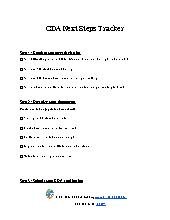
- Apoyos para el Portafolio Profesional creados por CDA PD Specialists certificados
- Un video instructivo paso a paso para el portafolio
- Revisión del Portafolio por los CDA PD Specialists certificados de ChildCareEd
Cómo funciona la Revisión del Portafolio:
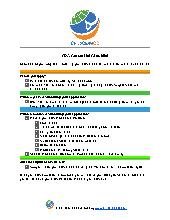
- Después de terminar el curso, debe subir sus documentos del Portafolio Profesional como PDFs.
- Los documentos requeridos incluyen:
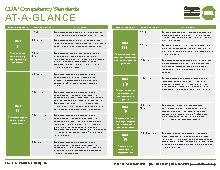
- Declaraciones de Competencia Reflexiva para CS I–CS VI
- Su Declaración de Filosofía Profesional
- Nuestros PD Specialists revisarán cada documento y harán una de las siguientes acciones:
- Aprobar el documento, o
- Proporcionar comentarios y solicitar revisiones y reenvío
- Su certificado de capacitación CDA se emite solo después de:
- Todo el trabajo del curso está completo y
- Todos los documentos del portafolio han sido revisados y aceptados
Requisitos adicionales importantes para obtener la Credencial CDA:
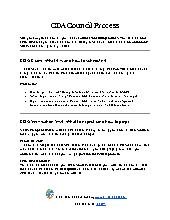
Completar este paquete cumple la parte de formación, pero la Credencial CDA requiere más. También debe:
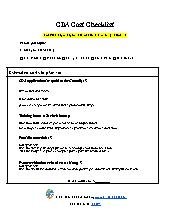
- Tener al menos 480 horas de experiencia laboral con niños de 0–36 meses en un entorno de atención en centros.
- Enviar su Portafolio Profesional de forma digital cuando solicite al Council.
- Completar el Examen CDA.
- En la mayoría de los casos, completar una Visita de Verificación con un PD Specialist (a algunos candidatos se les puede otorgar sin una en base a los resultados del examen).
Aviso:
ChildCareEd ofrece capacitación y apoyo para el portafolio de CDA, pero no emite la Credencial CDA. Completar este paquete (incluso con la Revisión del Portafolio) no significa que haya obtenido la CDA. El Council for Professional Recognition es la única organización que puede otorgar la Credencial CDA después de que se cumplan todos sus requisitos.
➡️ Obtenga más información sobre los pasos para la acreditación y solicite a través del sitio web oficial del CDA Council.
By the end of this training, the learner will be able to:
- Identify and use community resources to support learning.
- Identifique las diferencias entre el tamizaje del desarrollo y las evaluaciones del desarrollo.
- Reconozca la importancia del uso de las evaluaciones del desarrollo.
- Demonstrate understanding of inclusionary practices for anxiety in the child care setting.
- Define and identify common signs and behaviors of children and youth with fetal alcohol syndrome.
- Defina las Experiencias Adversas en la Infancia e identifique sus efectos en el desarrollo infantil
- Demonstrate understanding of strategies that utilize good time management practices for teachers and child care providers.
- Demonstrate understanding of using assessment and observations for short and long term goal development for ages birth to three.
- Recognize the importance of music in both child development and curriculum.
- Reconocer la importancia de conocer las etapas del desarrollo.
- Describe the importance of learning centers in the early childhood education environment.
- Identificar teóricos de la orientación y la disciplina
- Explique las posibles causas y las consecuencias de la lesión cerebral traumática en lactantes y niños pequeños.
- Dé ejemplos de estrategias que los docentes pueden utilizar para comunicarse con los padres sobre comportamientos desafiantes.
- Identificar las etapas del desarrollo cognitivo de Jean Piaget.
- Definir e identificar signos y comportamientos comunes en niños y jóvenes con discapacidades del desarrollo.
- Demonstrate understanding of inclusionary practices for cerebral palsy in the child care setting.
- Demostrar comprensión de las prácticas inclusivas dirigidas a personas con discapacidades del desarrollo en el entorno de cuidado infantil.
- Enumere recursos comunitarios, apoyo y derivaciones para discapacidades del desarrollo.
- List community resources, supports, and referrals for cerebral palsy.
- Demostrar comprensión del desarrollo prenatal y su impacto en el desarrollo infantil.
- Demostrar comprensión de las prácticas inclusivas para el trastorno del espectro autista en el entorno de cuidado infantil.
- Identify the basic musical milestones in children aged from birth to 5 years.
- Identificar estrategias para fomentar la indagación científica en el aula de bebés y niños pequeños
- Defina el término "inclusión" y cómo se relaciona con el entorno y la práctica del cuidado infantil para todas las edades.
- Demonstrate an understanding of creating a successful block center by identifying the various types of blocks, describing an effective block center setup, and recognizing the various stages of block play.
- Defina la resiliencia e identifique formas en que ésta ayuda a los niños pequeños a superar estresores tóxicos.
- Reconocer las evaluaciones informales y formales para planificar actividades, individualizar programas y mejorar la calidad del programa.
- Identify elements of a successful infant/toddler classroom.
- Enumere los recursos comunitarios, apoyos y derivaciones para el síndrome alcohólico fetal.
- Demonstrate understanding of inclusionary practices for fetal alcohol syndrome in the childcare setting.
- Dé ejemplos de maneras de colaborar con otros profesionales involucrados en el cuidado y la educación de todos los niños y jóvenes.
- Dé ejemplos de actividades musicales apropiadas para el desarrollo de los niños.
- Identify factors that influence learning in a child's physical environment.
- Enumere los recursos y el proceso de derivación para bebés y niños pequeños con una discapacidad sospechada o diagnosticada.
- Demostrar comprensión de cómo evaluar y satisfacer las necesidades de los niños con necesidades especiales.
- Demostrar comprensión de los componentes de un plan de estudios.
- Demonstrate an understanding of the impact of culture and diversity in relation to school readiness.
- Comprender la relación entre la selección de materiales y equipos y la manera en que ésta contribuye al desarrollo e implementación del plan de clase.
- Reconozca que los niños desarrollan la independencia en diferentes etapas.
- Demostrar comprensión de cómo una enfermedad crónica puede afectar el desarrollo.
- Definir e identificar signos y comportamientos comunes en niños y jóvenes con trastorno del espectro autista.
- Enumere recursos comunitarios, apoyos y derivaciones para el trastorno del espectro autista.
- Definir e identificar los signos y comportamientos comunes en niños y jóvenes con ansiedad.
- Definir e identificar los signos y comportamientos comunes en niños y jóvenes con parálisis cerebral.
- Demostrar comprensión del currículo emergente.
- Demostrar comprensión del andamiaje como método para el aprendizaje individualizado.
- Recognize the needs of individualized learning for infants and toddlers.
- Describe las etapas del duelo y las diferentes maneras en que los niños reaccionan al duelo y al estrés.
- Identificar herramientas de evaluación.
- Dé ejemplos de herramientas que registran y comunican información crítica a otros miembros del personal y a las familias.
- Identificar los componentes de las relaciones positivas con los niños, los compañeros de trabajo y las familias.
- Demostrar una comprensión de cómo fomentar las habilidades de autorregulación en los niños.
- Reconocer la importancia de la resolución de problemas y de las estrategias para la resolución de conflictos con los miembros de la comunidad y las familias
- List community resources, supports, and referrals for anxiety.
- Distinguish how to adapt arts and crafts for younger children and children with different abilities.
- Demostrar comprensión de la información que debe comunicarse con regularidad al personal, a los padres y a la comunidad.
- Criteria to earn CEUs:
- Certificates are awarded when the following criteria have been met by the learner:
- Class has been paid in full
- All material has been reviewed
- All review questions and final test have been completed with a passing score of 80% or higher.
- Learning Assessment Method:
- Learners will be assessed through questions after every section is completed. Learners will not be
allowed to proceed to the next section of the training until all questions have been answered correctly.
Learners will be presented with a final test composed of true/false and multiple choice questions.
Upon successful completion of the training, learners will receive their certificate by email.
- Learning Methodology:
- Online material will be presented in the form of slides,
accompanied with speech. Videos will be used to demonstrate ideas and concepts. Charts and tables
will be used for illustration.
- Logistics/Required Technology:
- A stable internet connection is required for the completion of this course. Users are highly encouraged to take their online course on Google Chrome on either a laptop or desktop computer. Speakers and/or headphones are also required to hear speech.
- Payment Policy:
- Payments need to be made in full. No refunds will be issued after starting the class.
- Proprietary or conflict of interest disclosure:
- Unless otherwise stated in the course description none of H & H subject matter experts and editor has any conflict or proprietary interests related to the material they prepared in this course.
- Support Services:
- Please visit our contact us page
You are purchasing a session of an online training that includes online assessments. Your certificate will be emailed to you once you pass the final exam with a passing grade of 80%.
Your certificate will bear the name you provided to us when you signed up. For support and questions regarding the material presented in this class please contact us at info@childcareed.com. Please consult our frequently asked questions page for other questions or feel free to contact us.
ChildCareEd CDA Credential Training Portfolio Review – Required Documents
As part of our Portfolio Review process, you are required to upload the following documents for review by our team of certified CDA PD Specialists..
Please note:
- All documents must be uploaded as PDF files. Other formats will not be accepted.
- Each document you submit is a required component of your Professional Portfolio.
- Once submitted, our certified CDA PD Specialists will review your documents. They will either approve your submission or provide feedback requesting revisions and resubmission.
- After all documents have been reviewed and accepted, and you have successfully completed all coursework, you will receive your certificate of completion for your CDA training.
Required Reflective Competency Statements and Documents
- CS I: How you create a safe, healthy, and learning-friendly environment.
- CS II: How you promote physical and cognitive growth.
- CS III: How you help children build positive relationships and self-control.
- CS IV: How you engage and support families.
- CS V: How you keep the classroom organized and support children’s learning.
- CS VI: Your professional growth and advocacy.
- Professional Philosophy Statement