Introduction
Preschool "soft skills" are the small habits children learn that help them do big things later. Child care providers and directors can teach these skills each day. This article explains what those skills are, why they matter, simple ways to teach them, and common mistakes to avoid. You will find links to helpful resources from ChildCareEd and trusted research so you can try ideas right away. Remember: state requirements vary - check your state licensing agency.
Five key words to remember: #SEL #selfregulation #relationships #play #skills. These show up again in the ideas below.
1) What do we mean by "soft skills" in preschool?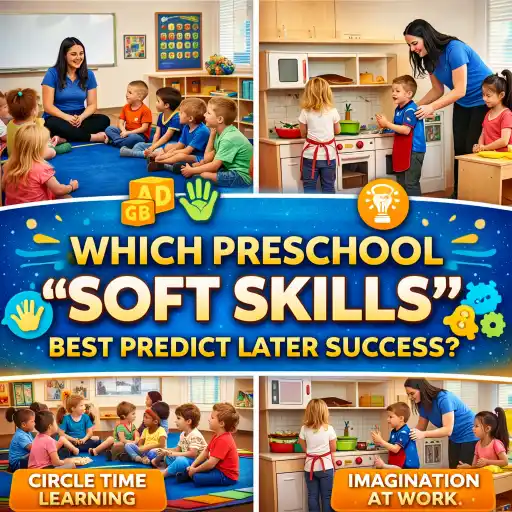
Soft skills are social and emotional habits children use every day. They include:
- Knowing and naming feelings (emotion words).
- Calming down when upset (self-control).
- Taking turns and sharing (cooperation).
- Following simple directions (attention).
- Asking for help or saying sorry (communication).
These skills are often called #SEL or social-emotional learning. For clear teaching ideas about self-regulation, see How to Promote Self-Regulation Skills. For bigger lesson plans and activities, check SEL Strategies in Early Childhood Education. The CSEFEL materials also list easy strategies for preschool teachers.
2) Why do these soft skills matter for later success?
Why it matters: Research shows that early social and emotional skills predict school and life success. Children who can pay attention, calm down, and get along with others learn more in kindergarten and beyond. For a research summary on how social-emotional learning supports learning, see the OECD report. The CDC explains that strong early programs improve school readiness and life outcomes: Early Childhood Education — CDC.
Short list of evidence-based impacts:
- Better attention and early literacy.
- Fewer behavior problems.
- Stronger friendships and teacher bonds.
- Higher long-term school success.
Practical note: teaching #relationships and #selfregulation early builds a strong foundation for learning and behavior.
3) How can classroom teams teach these skills each day?
Use simple, repeatable steps and routines. Try this 5-step plan:
- 🔹 Set a safe, calm space for practicing calm skills (a peace corner). See ChildCareEd's calming tools like Calm Down Strategy Cards Buy Now $0.00.
- 😊 Teach one skill at a time (name feelings, then waiting, then asking). Use stories, puppets, or role play as suggested by CSEFEL training.
- 💡 Practice during play: set up games that require waiting, turn-taking, and following rules (Red Light/Green Light, Simon Says).
- 🔹 Use short routines: visual schedules, countdowns, and predictable transitions reduce stress and help #preschoolers use new skills. See SEL Strategies.
- 🚀 Coach and praise effort: say exactly what the child did well ("You waited 10 seconds—great!"), not just "good job."
Additional tips:
- Train staff and leaders to use consistent language and steps. Programs like PEDALS show that coaching helps teachers implement SEL with fidelity (RAND PEDALS evaluation).
- Screen and track growth with tools like the ASQ:SE-2 or PSC as recommended by screening guides (Recommended Screening Instruments).
- Note: state requirements vary - check your state licensing agency for rules about assessments and staff training.
4) What common mistakes happen and how do we avoid them?
Common mistakes and fixes:
- 🚫 Mistake: Teaching skills only when a child is upset. Fix: Teach when calm and practice often (teachable moments work best before a crisis). See CSEFEL.
- ⚠️ Mistake: Using too many tools at once. Fix: Pick 1–2 calming tools and use them every day (e.g., balloon breathing, Turtle Technique). ChildCareEd offers calm corner resources to build a simple kit (How to Promote Self-Regulation).
- ❌ Mistake: Blaming the child rather than teaching the skill. Fix: Describe the feeling, set a limit, and teach the next step: connect → name → teach.
FAQ (quick answers):
- Q: How long to see change? A: Small gains in weeks; steady growth over months with practice and coaching.
- Q: How to include families? A: Share one tool and a short video or handout so families can practice at home.
- Q: What if a child needs more help? A: Use screening tools and consult the program director, mental health consultant, or early intervention team.
- Q: Which staff should be trained? A: Everyone who works with children: teachers, assistants, substitutes, and site leaders.
Conclusion
Soft skills like emotion naming, calming, turn-taking, and following directions are strong predictors of later success. Use short lessons, daily routines, play-based practice, staff coaching, and simple screening tools to help children grow. For ready-to-use courses and printable tools, explore ChildCareEd resources such as Brighter Futures: Social Emotional Development  Buy Now $16.00 and the calming cards and checklists found on the site. Start small, celebrate effort, and remember that building #skills through #play and caring #relationships is powerful work you do every day.
- 45 Hour Child Growth and Development
- Lesson Planning for Preschoolers
- CDA Home Visitor Subject Area 2 Part 3 Birth to 5
- 45 Hour Preschool Methods and Materials
- From Tantrums to Triumphs: Equipping Preschoolers with Self-Regulation Skills
- 45 Hour Infant and Toddler Methods and Materials
- Pediatric RSV First Aid & CPR/AED
- CDA Bridge Bundle: Preschool without Portfolio Review
- Texas Director Credential
- CDA Certification en Español: Recursos y Consejos para Educadores Bilingües
- Emotions in Motion: Teaching SEL & Emotional Regulation to Preschoolers
- Boosting Language Through Play
- Ready, Set, Kindergarten!
- The Brain Architects: How Early Educators Shape Tomorrow’s Innovators🧠
- 🥦How Can I Help Picky Eaters Try New Foods—Without Stress or Pressure?
- 💛🧩 How Can I Make My Teaching More Inclusive for Children with Autism?
- 😫🧸 What Should I Do When a Baby Won’t Nap in the Classroom?
- 📜 ¿Qué es el Título 22 en el cuidado infantil de California?
- Proactive Behavior Guidance: Building Structure, Relationships, and Respect
- Celebrate ADHD Awareness Month With Classroom Activities That Support Kids
- What Are the Best Read-Aloud Questions to Boost Preschool Comprehension?
- How can preschool classrooms support children with autism in practical ways?
- How can daily routines help preschoolers build independence?
- Which preschool “soft skills” best predict later success?
- Learning Through Creative Daycare Activities
- How Do Early Language Skills Affect a Child's Success in School?
- Celebrando la amistad en el cuidado infantil durante el Día de los Mejores Amigos
- Canciones, juegos y preguntas de círculo para niños
- Can simple kitchen activities teach valuable skills to young children in child care settings?
