Young children learn best when activities match their age, interests, and daily routines. This short guide helps New York child care providers and directors choose simple, effective activities for infants, toddlers, and preschoolers. You'll find quick examples, safety tips, and links to ready-to-use resources you can use today. Remember: state requirements vary - check your state licensing agency.
Why this matters: 1) Early, playful activities build language, motor skills, and self-regulation. 2) Clear, age-appropriate choices help staff feel confident, and families feel heard. 3) Using tested templates and local guidance makes your program safer and more consistent.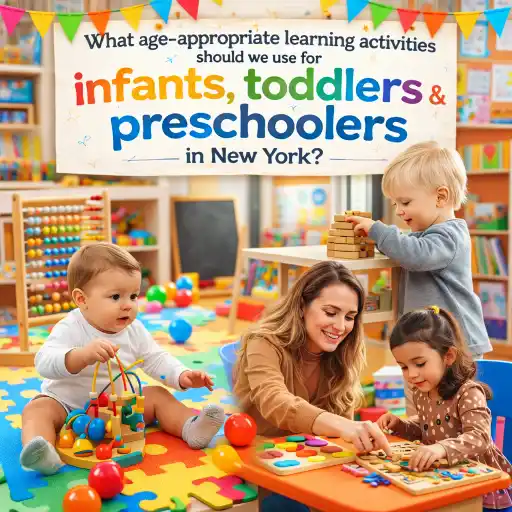
What activities help infants build strong early skills?
Infants learn by touch, sound, and close relationships. Focus on short, sensory-rich moments and loving interactions. Use the five steps below.
- 👶 Serve & Return: Notice a baby's sounds or gestures, respond with a word or face, and wait for a reply. This builds language and bonding. See tips in Developmentally Appropriate Practice and the Talk, Read & Sing ideas.
- 🧸 Sensory moments (short): Offer safe textures, mirrors, or a small water cup for supervised splash play. ChildCareEd offers no-cost sensory ideas and infant-specific suggestions as part of sensory activities and the free resource pack for Baby Play.
- 📖 Mini read-alouds: Read short, bright books during lap time. Name pictures and pause so the baby can watch your face.
- 🧺 Routine-based learning: Turn diapering, feeding, and dressing into language moments. For schedule ideas, see Behind the Scenes: Baby Routines Buy Now $35.00.
- 🔍 Observe & document: Note one clear skill each week (look, reach, smile) and plan a small next step. The CDC's milestone checklists help guide what to watch: CDC Milestones.
Why it works: Infants build brain connections through short, repeated interactions. Keep materials simple, supervise closely, and rotate one small tray each day so infants encounter familiar and new items.
What toddler activities support language, movement, and self-help?
Toddlers explore with their bodies and words. Choose activities that let them move, name, and try small tasks themselves. Use these 1-5 steps as a weekly plan.
For playful, developmentally appropriate ideas tailored to two-year-olds—plus short training tips for caregivers—see Terrible Two's Can Be Terribly Fun!.
- 🎵 Music & movement (daily): Short action songs and simple rhythms help language and gross motor skills. Try "freeze dance" or call-and-response songs.
- 🍚 Sensory trays with purpose: Fill a small bin with rice, pasta, or cooked beans and offer scoops and cups. Prompt: "Can you fill the cup three times?" ChildCareEd lists easy, no-cost sensory setups you can use today: no-cost sensory activities.
- 🧩 Simple problem play: Puzzles with 2–4 pieces, stacking cups, and large beads teach hand-eye skills and persistence. Offer help only when asked to build independence.
- 🥣 Self-help routines: Give small tasks: stir, wipe a table, carry a napkin. These build motor skills and pride. Use the guidance from ChildCareEd's lesson plan templates to make short goals: easy lesson plan examples.
- 🗣️ Talk & label: Use single words and then add one more word ("Ball. Big ball!"). Observe and record one language goal weekly.
Tips: Rotate one new prop each week. Supervise closely for mouthing. Short, repeated activities beat long lessons—toddlers need frequent breaks. For ideas on environments that support toddlers, see the infant/toddler learning experiences resource: Learning experiences for infant/toddler Buy Now $0.00.
What preschool activities prepare children for school success?
Preschoolers are ready for more complex play that builds thinking, social skills, and early literacy/math. Focus on choice, play, and small group work. Follow this 1-6 checklist each week.
- 🧱 Learning centers: Offer art, blocks, dramatic play, books, sensory, and a science table. Arrange centers so children can choose and return later. ChildCareEd has center and curriculum ideas in Play, Explore, Grow.
- 🔢 Playful math: Counting games, pattern beads, and measuring with cups during water play teach number sense.
- 🎭 Dramatic play: Role-play supports language, empathy, and planning. Rotate costumes and props to match children’s interests.
- 🎨 Open-ended art: Process art (paint, collage, clay) helps fine motor skills and creativity—no single “right” result.
- 🏃 Daily gross motor time: Simple obstacle courses or games from ChildCareEd's gross motor list get bodies and brains ready for learning: Gross Motor Games Buy Now $0.00.
- 📚 Guided small groups: Meet 1–2 times a day for short teacher-led activities (story extension, counting game). Use 1 clear goal per session and note progress.
Why it matters: Preschool play builds executive function—self-control, planning, and memory—that predicts school success. Use Developmentally Appropriate Practice as your guide; ChildCareEd’s overview is a helpful reference: What Is DAP.
How do we plan, adapt, and follow New York rules while avoiding common mistakes?
Planning well saves time and keeps children safe. Follow these steps to adapt activities, document learning, and meet New York expectations.
- 📋 Use a simple weekly template: Pick 1–2 goals, list materials, and write 2–3 steps per activity. ChildCareEd provides ready lesson-plan examples and templates to speed this up: easy lesson plan examples.
- 🔧 Adapt for mixed abilities: Offer layered choices (easier/harder tools), visuals, and roles so every child can join. See DAP strategies here: Developmentally Appropriate Practice.
- 🛡️ Safety & rules: Review the New York family guide for local services and resources: Family Guide to NYS Early Childhood Services Buy Now $0.00. And remember: state requirements vary - check your state licensing agency.
- 🧾 Document one thing: Each week, staff note one child, the observed skill, and the next step. Link observations to CDC milestones when needed: CDC Milestones.
Common mistakes (and fixes):
- 😬 Too many goals: Pick one main goal per activity. Fix: simplify your plan.
- 😕 No observation: Schedule five minutes daily to watch play. Fix: assign one staff member to note 1–2 quick observations.
- 😩 No cleanup plan: Teach children a simple two-step cleanup routine and keep child-sized tools handy.
Quick FAQ (short answers):
- Q: How often should each age group get structured activity? A: Infants: many short moments; Toddlers: 2–4 short sessions/day; Preschoolers: short teacher-led groups + free choice daily.
- Q: Can we use food in sensory play? A: Only if your center policy and local licensing allow, and watch for allergies.
- Q: Where to find quick themes or printables? A: ChildCareEd has many themed packs and activities ready to use: Baby Play & Resources.
Conclusion
Start small: pick a single goal for the week, choose one activity per age group, and note one observation. Use ChildCareEd’s lesson templates, sensory ideas, and DAP guidance to keep work practical and grounded (links above). Your consistent, playful choices help children in New York build language, motor skills, and social-emotional strength. You bring the expertise—these tools make it easier. #play #lessons #infants #toddlers #preschoolers
- Juneteenth History and Activities
- 😫🧸 ¿Qué hacer cuando un bebé no quiere dormir la siesta en el aula?
- Recursos en Español sobre el Sueño Seguro del Bebé
- Actividades de Motricidad Gruesa que Desarrollan el Equilibrio, la Coordinación y la Fuerza
- Proporciones de Cuidado Infantil y Tamaños de Grupo por Edad en Maryland (Guía Rápida para Centros y Hogares)
- Proporciones de Cuidado Infantil y Tamaños de Grupo por Edad en Virginia (Guía Rápida para Centros y Hogares)
- Actividades de Otoño Fáciles para Preescolares esta Temporada
- What are age-appropriate learning activities for infants, toddlers & preschoolers in Michigan?
- What age-appropriate learning activities should we use for infants, toddlers & preschoolers in New York?
- How can I design age-appropriate lesson plans that really work?
- What Should We Do When a Child in New York Daycare Arrives Exhausted Every Day?
- Weekly Lesson Plans for Infants, Toddlers, and Preschoolers
- How do New York day care supervision and ratio rules keep children safe?
- How do I write a screen-time policy for my New York child care program?
- How can we manage nap and rest time in small New York child care spaces?
- Mixed-Age Daycare Schedule: How to Plan a Day for Different Age Groups
- Proporciones para guarderías en casa bajo el Título 22: Cómo la mezcla de edades cambia su capacidad en California
- Nursery Snack Ideas by Age: What Can Babies, Toddlers, and Preschoolers Safely Eat?
- How Can Child Care Providers Set Age-Appropriate Expectations for Young Children?
- What Is Developmentally Appropriate Practice? Examples by Age
