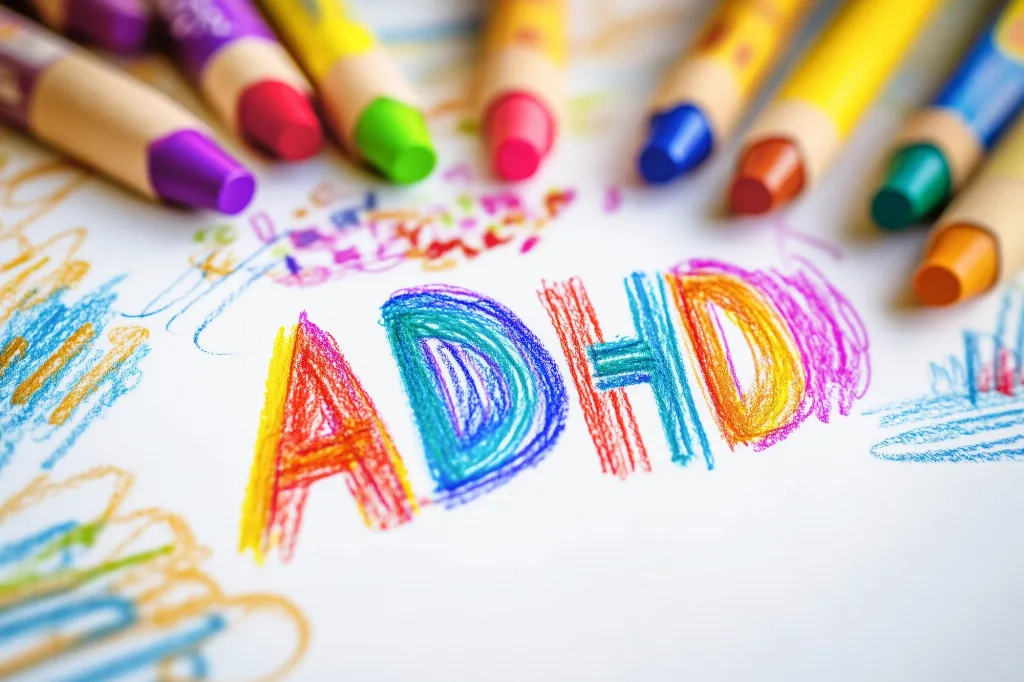
 ADHD Awareness Month is a great time to make your classroom kinder and easier for children who need extra support. Small changes can help children feel safe, understood, and ready to learn. These supports often help every child not only children with a diagnosis. #ADHD #inclusion #classroomsupport
This article shares simple activities, calm-space ideas, peer kindness lessons, and family teamwork tips you can use right away.
For ready-to-use classroom plans, and activities, use this ChildCareEd resource: https://www.childcareed.com/r-00835-adhd-awareness-month-activities-for-kids.html Buy Now $0.00
What simple message should we teach children about ADHD Awareness Month?
Keep the message short and kind. Young children do best with simple words.
Try one of these classroom-friendly scripts:
-
“Some brains need more movement to learn.”
-
“Some friends need more time to finish.”
-
“Everyone’s brain works in its own way, and everyone belongs.”
Avoid labels like “bad,” “lazy,” or “wild.” Focus on needs and strengths. #kindness
What easy activities can we do for ADHD Awareness Month that teach kindness?
Choose activities that are short, hands-on, and predictable. Many children with ADHD do better when they know what comes next.
Try these quick, do-able ideas (8–15 minutes each):
-
🧩 Quick Stations (rotate every 8–12 minutes)
-
Fine motor: playdough, theraputty, bead stringing
-
Movement: marching, animal walks, mini obstacle path
-
Calm: sensory bottle, picture books, simple puzzles
-
-
🎨 “I Am Good At…” Strength Posters
-
Each child draws one strength (helping, building, singing, drawing).
-
Hang them as a “Strength Wall.”
-
-
📚 Short storytime about differences
-
Choose books that show different ways of learning.
-
After reading, ask:
-
“How did the friend help?”
-
“What can we do when someone needs more time?”
-
-
-
🤝 Buddy Helper Practice
-
Pair children and teach one helpful phrase:
-
“Do you want help?”
-
“Do you want space?”
-
“Let’s try again together.”
-
-
Want a full set of activity ideas and printables? Use:
ADHD Awareness Month Activities for Kids Buy Now $0.00
How can classroom design and routines support children with ADHD every day?
Many children with ADHD do best with clear routines, short directions, and calm places to reset. Good classroom design can reduce stress for everyone. #calm
Try these simple supports:
-
🛋️ Create a calm corner
Include:-
Soft rug or mat
-
Feelings chart
-
Sensory bottle or fidget tool (safe and simple)
-
A short calm-down visual (like “smell the flower, blow the candle”)
-
-
📅 Use a visual schedule
-
Use pictures of your real classroom activities.
-
Add “first/then” cards for hard moments:
-
“First clean up, then outside.”
-
-
-
⏱️ Break tasks into short parts
-
Aim for 5–10 minute work chunks.
-
Use a timer children can see.
-
Then add a short break (movement or calm).
-
-
🔇 Reduce noise and clutter
-
Use bins with labels.
-
Separate loud play from quiet play when possible.
-
Add rugs or soft items to lower sound.
-
-
🎵 Make transitions predictable
-
Use one consistent cue (song, bell, clapping pattern).
-
Keep directions short:
-
“Stand up. Push chair. Line up.”
-
-
If you want a related training course that supports classroom routines and behavior, here are options from ChildCareEd:

How can we teach peers about ADHD in a kind, simple way?
Children notice differences. Your goal is to teach empathy without sharing private information about any child.
Use short lessons and role play:
-
📖 Read and reflect
Ask two questions:-
“What was hard for the character?”
-
“What helped them?”
-
-
🙂 Practice a daily feelings check
-
Children point to a feeling (happy, tired, worried, excited).
-
Teach one calm tool as a class (breathing, squeeze hands, count to 5).
-
-
🗣️ Role play helpful words
Practice scripts children can copy later:-
“Do you want help?”
-
“Do you want a turn?”
-
“It’s okay. Try again.”
-
-
🏷️ Weekly strengths spotlight
-
Highlight one child each week for a positive skill:
-
being a helper, building, sharing, drawing, problem-solving
-
-
This builds community and reduces negative attention.
-
Keep language respectful:
-
Say: “Some kids need more movement.”
-
Avoid: “He can’t behave” or “She’s out of control.” #inclusive
How can we partner with families during ADHD Awareness Month?
Families are your team. Consistent support at home and school helps children the most.
Try these easy steps:
-
📞 Share strengths first
Use one short note each week:-
“Today Maya used the calm corner and came back ready to play!”
-
-
🤝 Ask what works at home
Simple questions:-
“What helps during homework or bedtime?”
-
“Do timers help?”
-
“Do short choices work best?”
-
-
📝 Offer one small shared goal
Examples:-
“Use a first/then card for clean-up.”
-
“Practice one calm tool after lunch.”
-
-
🔒 Protect privacy
-
Do not discuss a child’s behavior in front of other families.
-
Ask permission before sharing photos or stories.
-
What common mistakes should we avoid when supporting children with ADHD?
These mistakes are common—and fixable.
-
❌ Too many changes at once
-
✅ Fix: Add one support and practice it for two weeks.
-
-
❌ Punishing attention differences
-
✅ Fix: Teach the skill, then praise small steps:
-
“You tried. You came back. Great job.”
-
-
-
❌ Long instructions
-
✅ Fix: Use 1–2 step directions:
-
“Hands wash. Table.”
-
-
-
❌ No staff plan
-
✅ Fix: Do a 10-minute team check-in:
-
What’s working?
-
What’s hard?
-
What’s our next small step?
-
-
FAQ
-
How long should ADHD awareness activities last?
Keep them short—about 8–15 minutes. -
What if a child does not want to join an activity?
Offer choices: watch, help set up, or do a quiet job nearby. -
Where can staff learn more?
Start with these ChildCareEd courses: -
Should I change lesson plans for one child?
Use small accommodations (visuals, short tasks, calm breaks) so everyone can participate.
