Play is not just fun — it is how young children learn. This article helps directors and providers plan, set up space, include families, and avoid common mistakes. You will find clear steps, simple tools, and links to helpful guides so you can try ideas right away. Why it matters: play builds thinking, language, movement, and social skills that help children be ready for school and life. See practical research and ideas at Play with a Purpose and What Is Play-Based Learning and Why Does It Work?.
Five words to remember: #play #learning #children #educators #families. Keep plans short, protect big play blocks, and use observation to guide teaching. State requirements vary - check your state licensing agency. If you work in a large city such as New York, local guidance and practical strategies for urban programs are available in How Can Childcare Educators Thrive in the Big Apple?.
How does play help preschoolers learn?
- 🧠 Cognitive growth — Play invites problem solving, planning, and flexible thinking. For more on how play supports thinking, read Play-Based Learning and Cognitive Growth.
- 🗣️ Language and literacy — Pretend play and story play bring new words and conversation. Use props and puppets to grow talk (see How to Bring Play into the Classroom).
- 🏃 Motor and self-help skills — Climbing, art, and sensory play build big and small muscles. Add active breaks from resources like Active Play in Early Education Buy Now $0.00.
- 🤝 Social-emotional learning — Turn-taking, sharing, and handling feelings happen in real time during play. Ideas for supporting social skills are in Social Skills Lesson Plan Buy Now $0.00 and environmental tips from CSEFEL What Works Brief #6. For practical strategies to foster friendships, peer relationships, and a supportive classroom community through play, see Building Social Foundations.
- 🔬 Early math & science — Measuring, counting, and testing ideas happen naturally when children build or explore. See simple STEM ideas at Pre-K Ideas for Play.
Why this matters: play builds strong foundations for school without taking the joy out of childhood. When adults notice and name learning in play, children connect action with words and ideas.
How can we plan the day so play is purposeful?
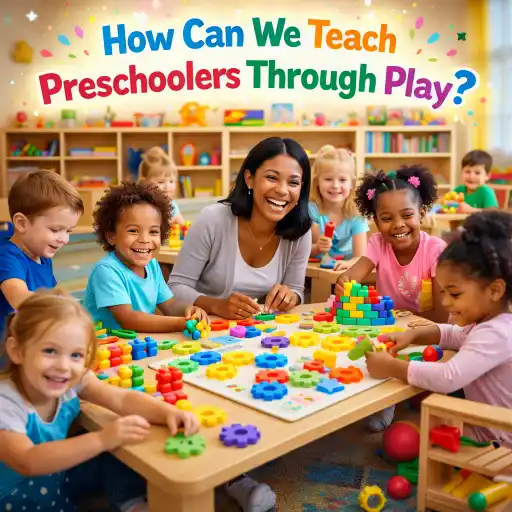
Planning helps play stay fun and focused. Use these steps you can try this week:
- 🎯 Set 1–2 clear goals per day (example: names for feelings; counting to five).
- 🕒 Protect long play blocks — aim for 30–60 minutes for preschool so children can dig in. Shorter blocks for toddlers work too. (State requirements vary - check your state licensing agency.)
- 🧺 Prepare a week basket with a book, props, and loose parts tied to the theme. Rotate weekly to keep interest.
- 👀 Observe and record: choose 1–2 children daily for a quick note or photo. Use observations to plan small next steps.
- 🗣️ Add tiny guided moments: ask one open question, introduce one new word, then step back.
Practical tools: use short lesson templates (one-sentence goal, three materials, three steps) from ChildCareEd lesson plan examples like How Can We Teach Children Through Play? and sample plans in Pre-K Ideas for Play. Keep staff notes brief so everyone can use them. Observation helps you notice progress and decide when to scaffold. Small changes in planning give big learning returns.
How should classrooms and outdoor spaces invite play while staying safe?
- 🪑 Zone your room: blocks, art, dramatic play, reading, sensory. Label shelves with pictures and words so children choose easily. See setup tips at How to Bring Play into the Classroom.
- 🎨 Use open-ended materials: fabric, blocks, trays, natural items. These let children invent many uses and boost #creativity.
- ♻️ Rotate materials weekly to keep interest and make storage simpler. Environmental strategies that increase positive interactions are well explained in CSEFEL What Works Brief #6.
- 🌳 Plan outdoor stations: water play, building, nature exploration. Follow safety guidance from the CDC Outdoor Play and Safety (sun, heat, bugs, water safety).
- 🔍 Keep sight-lines clear and move furniture so adults can supervise and join play when needed.
Why inclusion matters: design spaces that welcome all children — different languages, abilities, and cultures. See inclusive practice ideas at the OECD inclusion brief.
How do we include families, assess learning, and avoid common mistakes?
Families and clear assessment make play teaching stronger. Use these steps and watch common pitfalls.
For practical, narrative examples of these family partnership strategies in action, read The Family Day Care Chronicles, a collection of short stories that show laughter, learning, and unexpected solutions from home-based settings.
- 🤝 Family partnership: send one quick home activity each week, share photos, and invite family ideas. Parent engagement boosts outcomes — see RWJF on parent engagement.
- 📋 Simple tracking: use a one-page checklist or quick milestone note. The CDC milestone resources are helpful when you need to share next steps with families: CDC Milestones.
- 🧩 Inclusion for diverse learners: adapt props, use small groups, and try strategies from courses like Play with Purpose: Supporting Children with Autism
 Buy Now
 $55.00$40.00.
Common mistakes — and how to avoid them
- ❌ Too much adult direction — Fix: offer materials and a question, then let children lead.
- ❌ Rushing play time — Fix: protect longer blocks and reduce interruptions.
- ❌ Single-use toys that limit imagination — Fix: choose open-ended loose parts.
- ❌ Skipping family outreach — Fix: send one simple home suggestion and celebrate small wins.
FAQ (quick)
- Q: Will play delay academics? A: No. Play builds skills that help later academics — see Play with a Purpose.
- Q: How long should play blocks be? A: Aim for 30–60 minutes for preschoolers; outdoors daily if possible. State requirements vary - check your state licensing agency.
- Q: How do we include families who speak another language? A: Use pictures, home activity cards, and invite family stories. Consider bilingual supports like those offered in ChildCareEd classes.
- Q: When should we refer for extra help? A: If families or staff notice big delays, document examples, talk with families, and use local referral resources.
Conclusion
Teaching through play is simple to start and powerful over time. Try these three steps this week:
- 🎲 Protect one long play block each day and pick one clear learning goal.
- 📚 Make a week basket (book + props + loose parts) tied to your theme.
- 📸 Observe one child each day, write one short note, and share a quick tip with a family.
For more guides and courses, explore ChildCareEd resources like Play with a Purpose and How to Bring Play into the Classroom. Keep protecting play — it is how children learn best. #play #learning #children #educators #families
Play is how children practice the skills they need. When children pretend, build, move, and solve problems, their brains form new connections. Here are clear benefits:Room layout and outdoor setup make play easier and safer. Follow these steps to set up spaces that invite exploration:- CDA Preschool Credential with Portfolio Review
- 45 Hour Preschool Methods and Materials
- Birth to Five CDA Credential with Portfolio Review
- CDA Family Child Care Credential with Portfolio Review
- CDA Bridge Bundle: Preschool
- CDA Infant/Toddler Credential with Portfolio Review
- CDA Bridge Bundle: Family Child Care without Portfolio Review
- CDA Bridge Bundle: Infant/Toddler without Portfolio Review
- CDA Bridge Bundle: Preschool without Portfolio Review
- Texas Director Credential
- How can Georgia preschool teachers use positive guidance to help preschoolers share during indoor play?
- How Can We Help Children Make Friends?
- How can I teach colors, shapes & numbers through play in Michigan classrooms?
- How Can We Teach Preschoolers Through Play?
- Celebrando la amistad en el cuidado infantil durante el Día de los Mejores Amigos
- What Can the Golden Gate Bridge Teach Preschoolers About Connection?
- First Aid Lessons for Kids: Simple Skills They Can Learn
- Superhero Activities for Preschoolers: Play, Create, and Learn
- How Can I Use Fun Math Activities for Preschoolers Every Day?
- How can I use simple math activities for preschoolers every day?
- How Does Guided Play Build School-Ready Skills in New York Preschoolers?
- Can Superhero Day Capes and Pretend Play Teach Children to Help Others?
- Preschool Classroom Routines: What Should You Teach During the First Week?
- Why Are Coping Skills Important for Preschoolers?
- How Much Structured Learning Do Preschoolers Really Need?
- What Can Hot vs. Cold Sorting Teach Preschoolers About Safety?
- How Can Child Care Providers Teach Emotional Regulation to Toddlers and Preschoolers?
- How Can Child Care Providers Handle Bossy Behavior in Preschool?
- How Can You Create a Daily Routine That Helps Preschoolers Feel Secure?
- How Can Preschool Educators Encourage Learning Through Play?
