Indoor movement games can be small, short, and powerful. This article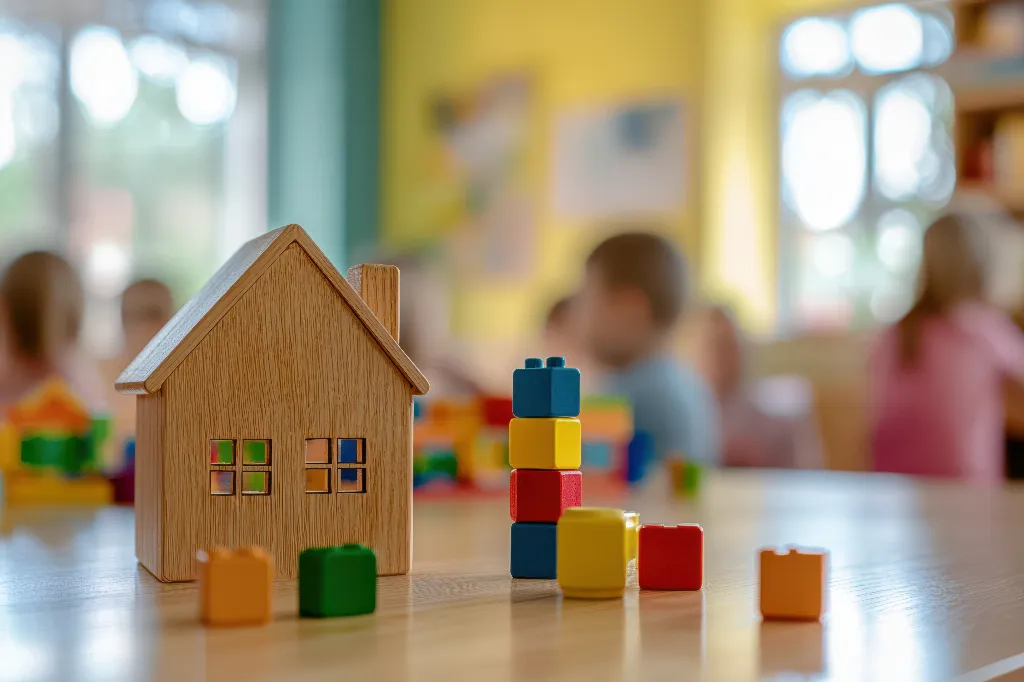 gives easy games and clear steps you can try today to teach young children to listen, wait their turn, and work together. These ideas are meant for child care providers and directors who need classroom-ready plans that fit tight spaces and busy schedules. Use the quick lists below as a cheat sheet for planning short #movement breaks that build #listening and #cooperation skills for your #preschoolers in #Oklahoma. Remember: state requirements vary - check your state licensing agency (Oklahoma licensing).
Which simple indoor games teach listening and cooperation?
- 🎵 Freeze & Move (Freeze Dance) — Play music and have children dance. When music stops, they must freeze. Use louder/softer music to practice careful listening. See movement song ideas at Circle Time Ideas and more indoor music uses in the research on music and language (music helps vocabulary). For ideas to bring simple, inclusive music-making into your classroom or to connect with local music events, see Make Music Day.
- 🏀 Snowball Toss (soft target) — Toss crumpled paper or soft balls into baskets. Team points are for the whole group, so children cheer for each other. ChildCareEd lists similar target games in their gross motor ideas (Gross Motor Activities for Preschoolers).
- 🧤 Penguin Waddle Relay — Hold a beanbag between your knees and waddle to a cone and back. Work in pairs and help one another. This builds balance and teamwork (adapted from The Gross (Motor) Truth).
- 🔔 Ringer, Ringer (listening pass) — Pass a small bell or soft shaker while a child leaves the room. When the child returns, they listen and guess who rings the bell. This boosts careful ear training and turn-taking (see listening game ideas in Montessori-style resources and Circle Time Ideas).
- 🪀 Cooperative Obstacle Course — Make stations (tape line, jump spot, toss) and assign small teams. Each team helps everyone finish the course. For cooperative versions, see ideas like the cooperative obstacle course (paper-and-glue activity).
Tips for success:
- Keep rounds short (1–3 minutes), so children succeed often.
- Practice the rules one step at a time and praise effort (“I like how Maria waited her turn!”).
- Use visual cues and a simple stop signal (clap or bell).
How do I set up the room and routines for safe, cooperative play?
- Clear the area: move chairs and small toys to the side. ChildCareEd suggests marking a movement zone with tape in its indoor activity guides (Winter indoor gross motor games).
- Make boundaries: use painter’s tape, cones, or floor dots so children know where to play.
- 🔹 Example: tape a rectangle for the movement area and a line for where players wait.
- Teach one clear stop signal: a bell, a clap pattern, or a single word like “Freeze!”
- Demonstrate and practice: show the whole game slowly, then try it together once before letting children take turns.
- Plan supervision: stand where you can see all the kids and move as a leader through the space. Active supervision ideas are in ChildCareEd resources (Resources).
- End with a calm-down: stretches, deep breaths, or a short story help children shift back to table work.
Safety checklist (quick):
- Floor free of spills and loose objects
- Movement zone marked
- One-stop signal practiced
- Small groups to reduce waiting time
Also, remember: state requirements vary - check your state licensing agency (Oklahoma licensing).
How do these games help preschoolers learn listening, self-control, and teamwork?
- Attention and listening: stop/go games require children to watch and listen closely. Short, repeated practice builds better #listening skills. Research shows musical and rhythmic activities improve listening and vocabulary, too (music + language research).
- Self-control and regulation: Freeze Dance and similar games teach children to stop quickly and control their bodies. Brain-break research explains how movement resets focus for learning (Brain Breaks guide).
- Motor planning and coordination: games like tape stepping stones and penguin waddles build balance and planning skills that are useful for classroom routines (see ChildCareEd gross motor guides: Gross Motor Activities for Preschoolers).
- Social skills and cooperation: team points, paired tasks, and cooperative obstacles ask children to help and cheer for friends. Quick cooperative games are great for building class community (ideas in cooperative game resources).
- Language and vocabulary: singing and listening games add new words and boosts for oral language—useful if you want to teach new instructions through song (see study).
How to measure progress in a classroom-friendly way:
- Count successful rounds: how many children freeze correctly in a round?
- Observe cooperation: does a child offer help when a peer drops a beanbag?
- Note attention span: can the group follow 3-step directions during a game?
How do I include every child and avoid common mistakes?
Inclusion and good planning mean more children succeed. Here are ways to adapt and common pitfalls to avoid.
- Adapt the difficulty: offer two choices at each station.
- Example: “Hop OR step” / “Throw from close OR far.”
- Use visual supports: picture cards, tape colors, or a helper chart to help children who need clear cues. ChildCareEd’s free resources include printable activity helpers (Working Together resources).
- Pair children intentionally: buddy a child who is confident with one who needs support so everyone feels successful.
- Give short turns: long waits lead to trouble. Use stations or teams so kids stay active and engaged.
- Calibrate praise: focus on effort (“You waited until the bell!”) rather than only on winning.
Common mistakes and how to avoid them:
- ❌ Too hard, too fast — start simple and add one challenge at a time.
- ❌ One size fits all — provide at least two ways to succeed for each child.
- ❌ No routine for stopping — teach and practice your stop signal before play.
- ❌ Overcrowded space — limit group size and mark clear boundaries.
Summary and quick plan to try tomorrow
Try this 4-step plan tomorrow with your group:
- 🔷 Prep (5 min): clear a small movement zone and set a stop signal.
- 🔷 Demo (2–3 min): show Freeze Dance and Snowball Toss once as practice.
- 🔷 Play (10–15 min): run two short games in small groups so turns are quick.
- 🔷 Cool-down (2–3 min): stretch and name one thing you liked about the game.
More help and ready lessons: ChildCareEd has lesson ideas and course options like Engaging Indoor Activities for Inclement Weather and Moving About the Classroom Buy Now $35.00 to deepen your planning.
FAQ
- Q: How long should each game be? A: 1–3 minutes per round for preschoolers; repeat for practice.
- Q: What if a child won’t join? A: Offer a small helper job (music helper, bell holder) so they feel safe and included.
- Q: How many kids per game? A: Small groups of 4–8 reduce waiting and keep supervision simple.
- Q: Where can I learn more? A: See ChildCareEd resources on gross motor games and circle time (Gross Motor Activities, Circle Time Ideas).
You've got this. Small, playful steps build big skills. Use short games, clear rules, and lots of praise to help your #preschoolers grow their #listening and #cooperation skills through joyful #movement in your classroom.
Short, repeated games work best. Try 1–3 games a day. Each game below is easy to set up and focuses on listening and working together.Good setup and routines make games teachable moments. Use these steps each time you plan indoor movement:ovement games are more than play. They train brains and bodies together. Here are the main ways they help children grow:- CDA Home Visitor Subject Area 3 Part 3 Birth to 5
- CDA Home Visitor Subject Area 2 Part 3 Birth to 5
- Professional Presence in Early Childhood
- Hidden in Plain Sight: Depression in Young Children
- Open Ears: Listening in Child Care
- Texas Teacher 24 hours Annual Renewal 2nd Year
- Wellness in Action: Teaching Healthy Habits to Children
- CDA: Communication: Keep It Simple
- CDA: Stand With Respect and Professionalism
- Supporting Families and Caregivers in Language and Literacy
- Proveedores de Oklahoma: Beca de Evaluación CDA
- CDA Certification en Español: Recursos y Consejos para Educadores Bilingües
- ❄️ ¿Qué actividades al aire libre funcionan bien para los niños de Illinois en cada estación? 🌷🍂
- Actividades de Motricidad Gruesa que Desarrollan el Equilibrio, la Coordinación y la Fuerza
- 10 Ejemplos de Cómo la Cultura Influye en el Desarrollo Infantil
- Proporciones de Cuidado Infantil y Tamaños de Grupo por Edad en Maryland (Guía Rápida para Centros y Hogares)
- Proporciones de Cuidado Infantil y Tamaños de Grupo por Edad en Nueva Jersey (Guía Rápida para Centros y Hogares)
- Actividades de Otoño Fáciles para Preescolares esta Temporada
- Cómo Trabajar en el Cuidado Infantil en Carolina del Norte: Requisitos y Pasos
- Cómo Trabajar en el Cuidado Infantil en California: Requisitos y Pasos
- Cómo Ser Maestra de Preescolar en Wisconsin
- Cómo Ser Maestra de Preescolar en Maryland
- Cómo Ser Maestra de Preescolar en Virginia
- Can simple indoor movement games teach listening and cooperation to preschoolers in Oklahoma?
- How can positive guidance help manage big feelings during indoor play in Oklahoma classrooms?
- Celebrando la amistad en el cuidado infantil durante el Día de los Mejores Amigos
- Canciones, juegos y preguntas de círculo para niños
- Cómo simplificar la capacitación para sus empleados de daycare
- One, Two, Eyes on You: A Fun Way to Build Listening Skills
- No Playground Today! Rainy Day Activities for Kids All Ages.
