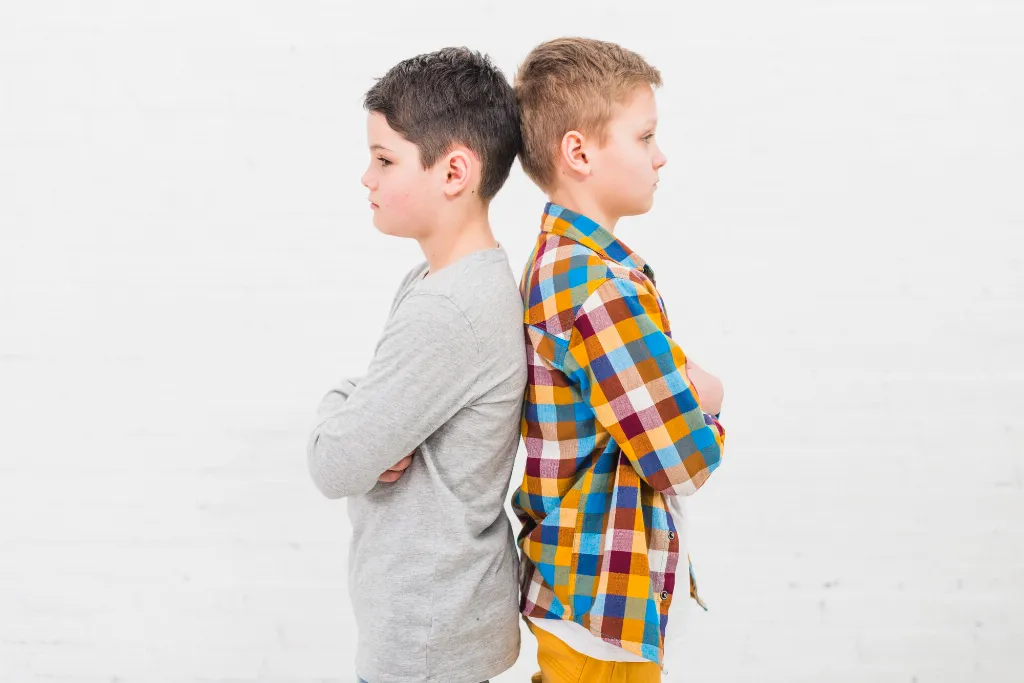
 Conflict is part of play and learning. This short guide helps child care providers and directors teach preschoolers how to solve problems kindly and keep your classroom calm. Use quick scripts, practice when children are calm, and set up the room so kids can succeed. Remember: state requirements vary - check your state licensing agency.
This article focuses on simple, doable steps for your #preschoolers to manage #conflict with #empathy, short teaching phrases for better #communication, and steady #routines that prevent fights.
1) How can I teach preschoolers short steps to solve conflicts?
Keep it simple. Children remember short steps taught often. Try a 3-step routine you practice every day. Use pictures and role-play so children can copy the words.
🛑 Stop & calm: Teach a short cue like “Stop, breathe.” Model a deep breath and show a calm face. For quick scripts see Conflict Resolution Skills You Can Teach in Under 2 Minutes.
💬 Say the need: Practice power phrases children can use: “I’m using it.” “Can I have a turn?” “I feel sad.” Use the simple “I feel ___ when you ___” script from Teaching kids to solve problems with words.
✅ Pick a fix: Always offer 2 quick choices: trade, timer for turns, or find another toy. Use visual cards like the Conflict Resolution Solution Cards Buy Now $0.00 to help children choose.
Practice these steps in calm times with puppets or short role-play. Repeat the same words so children learn to use them during real moments. For research-based scripts and teaching ideas, the CSEFEL resources are helpful: CSEFEL teaching strategies.
2) How should the classroom and schedule be set up to prevent many conflicts?
😊 Zones and low shelves: Make clear play areas (blocks, art, quiet). Low shelves show choices so children see options without shouting.
⏳ Fewer toys out, more duplicates: Limit how many of one toy are available. Add duplicates of popular items and rotate materials to reduce grabbing.
📸 Visual schedule: Post a picture schedule for the day so children know what comes next. Transitions are easier with pictures and a song.
🧑🤝🧑 Small groups and helper roles: Use small groups and give one child a short helper job (pass plates, invite a friend). This builds belonging and lowers conflict (see ideas in Working Together: Teachers & Preschoolers resources).
🛋️ Peace corner: Add a calm spot with feeling cards and a timer so children can practice calming first. Montessori and peace education tips can guide you: Montessori conflict resolution.
Small, steady changes to the room and schedule have big payoff: fewer interruptions, safer play, and more time to teach social skills.
3) What do I say and do in the moment, and how do I coach repairs afterward?
In-the-moment responses should be short, calm, and safe. Later, teach repair steps so friendships stay strong.
🛡️ Safety first: Move calmly between children to stop harm. Use one short sentence: “No hitting. Hitting hurts.” Keep voice even and kind.
For practical guidance on why biting and hitting occur at different ages and age‑appropriate responses you can use in the moment, see Are biting and hitting normal in children?
🤍 Care and name feelings: Comfort hurt children first. Then say what you saw: “You grabbed the truck and Javier cried.” Naming helps children learn words for feelings (How can I reduce classroom conflicts among toddlers?).
💬 Short coaching: Prompt a child to try a script: “Say, ‘I’m sorry. Can I have a turn?’” or offer a solution: trade, timer, or play together. Use the “Fix-It” question: “What can we do to make your friend feel better?” (See fixes in Conflict Resolution Skills).
🌟 Praise the repair: Notice and name the skill: “You used words and gave a turn—that helped.” This makes the behavior more likely to repeat.
Keep technical notes short. If behavior is frequent or risky, track patterns using an ABC chart (Antecedent, Behavior, Consequence) and involve your team or specialists. For training ideas, the course “You’re Not My Friend Anymore: Learning Conflict Resolution” has deeper steps: course link  Buy Now $16.00.
4) How do I partner with families and avoid common mistakes?
Families need simple, positive updates and the same short words you use in class. Work together so children hear the same messages at home and school.
📩 Share strengths first: Start messages with a strength (“Lina helped clean up today”) then note the pattern and the plan (“We are teaching ‘gentle hands’ and using a 2-minute timer”).
🤝 Give one script to use at home: Send a short phrase families can practice: “Can I have a turn when you’re done?” Repeat it for a week so it sticks.
🔎 Track and plan: Use simple notes to spot times when conflict happens (after nap, during snack). Change the trigger—more food, earlier quiet time, extra movement breaks.
🚫 Common mistakes to avoid:
- ❌ Long lectures right after an incident — Fix: short limit now, teach later when calm.
- ❌ Forcing sharing — Fix: teach offers, trades, and timers instead.
- ❌ Inconsistent staff language — Fix: pick 3 power phrases and rehearse them with your team (CSEFEL resources can help with staff training: CSEFEL Module 1).
📚 Offer family resources: Point families to simple articles or activities and invite them to practice a kindness or feeling check-in at home.
FAQ:
- Q: How fast will I see change? A: Small steps in weeks; clearer habits in months with daily practice.
- Q: What if a child keeps hurting others? A: Track, partner with families, and ask for specialist support if needed.
- Q: Are visuals helpful? A: Yes—pictures, timers, and cue cards reduce talk and guide action.
Conclusion
Teaching preschoolers to work through conflict is steady, kind practice. Use short scripts, role-play, a calm room, and consistent staff-family language. Offer quick repairs and praise the effort. For ready tools, check the ChildCareEd resources linked above (solution cards, short skill articles, and courses). Your daily, patient work helps children learn lifelong skills in #communication, #empathy, and safe play. Keep it simple, repeat often, and celebrate small wins.
- You're Not My Friend Anymore: Learning Conflict Resolution
- Teach with Respect ONLINE
- CDA Preschool Credential with Portfolio Review
- Social Foundations and Responsive Classrooms
- Birth to Five CDA Credential with Portfolio Review
- Teach with Respect!
- Texas Director Credential
- CDA Infants/Toddlers: Brain Development and Gene Expression
- CDA Infants/Toddlers: Stages of Development
- CDA Home Visitor Subject Area 8 Part 1 Birth to 5
- CDA Certification en Español: Recursos y Consejos para Educadores Bilingües
- 🌎 ¿Cómo apoyo a las familias diversas mientras honro su cultura y valores? 💜
- ¿Cómo puedo usar escenarios de juego de roles de primeros auxilios en mi aula?
- ¿Cómo puedo enseñar habilidades de primeros auxilios con escenarios de juego de roles?
- Teaching Preschoolers How to Work Through Conflict
- Celebrando la amistad en el cuidado infantil durante el Día de los Mejores Amigos
- How can I make preschool classroom rules that children understand?
- Can Superhero Day Capes and Pretend Play Teach Children to Help Others?
- How can child care providers teach sharing and turn-taking without forcing it?
- How can we teach children to recover and learn after making mistakes?
- Preschool Team-Building Activities for Better Communication and Friendship
- Why Do Classroom Management Strategies Fail With 3-Year-Olds—and What Works Instead?
- Self-Control Activities for Preschoolers: 10 Games That Teach Stop, Wait, and Try Again
- Why Is My Preschool Classroom So Chaotic? 7 Classroom Management Fixes to Try
- Why Are Coping Skills Important for Preschoolers?
- What Are 10 Proactive Classroom Management Techniques for Early Educators?
- What Is Co-Regulation and How Can Child Care Teachers Use It?
- How Can You Help a Preschooler Rejoin the Group After a Conflict?
