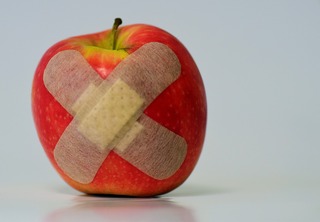
 Teaching simple first aid to young children is possible and helpful. This guide is for child care providers and directors who want easy, practical ways to teach short, safe lessons. You will find playful activities, safety rules, and ways to check learning that fit busy classrooms and family expectations. Use role play, songs, and short drills so children practice without fear. Remember: state requirements vary - check your state licensing agency.
Why should we teach first aid to young children and why does it matter?
1) Teaching first aid builds calm and confidence. Young kids who practice simple steps act steadier during accidents and can find an adult fast. 2) Early lessons grow empathy. When children comfort a stuffed animal or friend, they learn kindness and self-control. 3) It helps staff and families feel safer when the whole program practices together.
Why it matters:
- 🩹 Real safety: Small steps like telling an adult or covering a scrape can help while adults act.
- 🎭 Social growth: Role play builds empathy and teamwork.
- 📚 Memory: Play and repetition help kids remember important steps.
For ready-made activity ideas, see ChildCareEd’s lesson ideas like Teaching First Aid Basics to Kids Through Activities and Mini Medics: Teaching Preschoolers. These resources show games, role-play, and short drills you can use in your #classroom to teach #firstaid and #safety to #children and #preschoolers.
What simple skills can kids learn and how can we teach them?
1) Key skills to teach:
- 📞 How to find an adult and practice saying their name or address.
- 🗣️ How to call 911 using a short script in role play (use guidance like KidsHealth: Teaching Your Child How to Use 911).
- 🧼 Basic wound care on a doll: wash hands, cover a scrape with a bandage.
- 🫶 Comforting: how to sit quietly, use calm words, and hold a soft toy to soothe a friend.
2) Ways to teach (short lessons):
- 🎭 Role play corner with stuffed animals and a toy first-aid kit. See role-play ideas at First Aid Role Play Scenarios.
- 🎵 Song or rhyme for "Check, Call, Care" to help memory.
- 📱 Use child-friendly apps or videos for older kids as a supplement — try ideas from First Aid Apps and Tools.
- 🧰 Practice packing a simple classroom kit using a checklist like the one in KidsHealth: First-Aid Kit.
Keep activities 10–20 minutes, repeat often, and praise effort. Use simple props and never teach invasive procedures. For more playful lesson plans, check ChildCareEd’s Fun Ways to Teach First Aid Buy Now $0.00.
How do we teach first aid safely and follow rules? What mistakes should we avoid?
1) Follow rules and train staff:
- 🩺 Ensure at least some staff are certified in pediatric first aid and CPR. ChildCareEd lists courses such as Pediatric In-Person First Aid & CPR and blended options.
- 🔒 Communicate with families and get consent when needed. Keep them informed after lessons.
- 📋 Remember licensing: state requirements vary - check your state licensing agency.
2) Use safe props and limits:
- 🧸 Use stuffed animals, toy phones, and paper bandages only.
- 🚫 Never use sharp tools or let children practice adult-only procedures.
3) Common mistakes and how to avoid them:
- ❌ Skipping family notice — always send a brief note home.
- ❌ Practicing too long — keep lessons short and active.
- ❌ Using adult materials — choose child-safe props and follow role-play guides from ChildCareEd.
Avoiding these pitfalls keeps lessons positive and safe for every child.
How can we check learning, keep skills fresh, and what frequently asked questions do providers have?
1) Ways to check learning:
- 🎤 Teach-back: Ask a child to show one step: "Show me how you would tell an adult someone is hurt."
- 🧩 Quick games or posters: Use a 3-step poster (Check, Call, Care) and make a 1-2 question card game.
- 🏅 Rewards: Stickers or a "Mini Medic" badge for practice build pride and memory.
2) Keep skills fresh (schedule idea):
- 🔁 Short practice every 2–4 weeks (10–20 minutes).
- 📆 Tie drills to seasons (water safety in summer using Red Cross tools like WHALE Tales).
- 📝 Log practices and share highlights with families.
3) FAQ (quick answers):
- Q: At what age can kids learn first aid? A: Preschoolers can learn to get an adult and say their address; elementary kids can role-play bandaging and calling 911. See First Aid for Young Children.
- Q: Who should teach? A: Trained staff or certified guests. Keep staff CPR/first aid current.
- Q: How often to practice? A: Every 2–4 weeks in short bursts helps memory.
- Q: What supplies are needed? A: Soft props, toy phone, classroom kit, and a teacher plan. See activity ideas.
With short, playful lessons and steady practice you can teach important #skills that keep #children safer. Use trusted resources from ChildCareEd, Red Cross, and KidsHealth to plan age-appropriate lessons and to support staff #training for real emergencies.
Summary
Start small: choose one skill, use safe props, involve families, and practice often. Celebrate progress and keep staff trained. Teaching first aid is a practical, low-cost way to build a calmer, safer program where #preschoolers learn to help and feel secure.
- Adult/Child/Infant CPR AED and Adult First Aid Blended
- Adult Only CPR AED and Adult First Aid Blended
- Pediatric Blended First Aid & CPR/AED Adult, Child, Infant
- Pediatric RSV First Aid & CPR/AED
- Pediatric In-Person First Aid & CPR/AED Adult, Child, Infant
- Adult First Aid Only - Blended
- Potty Training Made Simple
- Texas Director Credential
- Learn CPR and Be the Hero in a Crisis!!
- CDA Certification en Español: Recursos y Consejos para Educadores Bilingües
- ☀️Sunny Side Up: Smart & Safe Summer Fun for Kids!
- ¿Cómo puedo usar escenarios de juego de roles de primeros auxilios en mi aula?
- ¿Cuáles son las mejores actividades de primeros auxilios para adultos?
- ¿Cómo pueden los equipos de cuidado infantil practicar habilidades rápidas de primeros auxilios en situaciones reales?
- ¿Cómo puedo enseñar habilidades de primeros auxilios con escenarios de juego de roles?
- Cómo Trabajar en el Cuidado Infantil en Wisconsin: Requisitos y Pasos
- How can I plan peach-themed summer activities for preschoolers in Georgia?
- How can Georgia farm field trips teach young children about animals and food?
- MSDE Health and Safety Training for Child Care Providers
- Teaching Preschoolers Simple First Aid Skills
- First Aid for Young Children: What Kids Can Learn
- How can Michigan classrooms teach children about the Great Lakes with hands-on science activities?
- Celebrando la amistad en el cuidado infantil durante el Día de los Mejores Amigos
- First Aid Lessons for Kids: Simple Skills They Can Learn
- Superhero Activities for Preschoolers: Play, Create, and Learn
- Superhero Theme Activities for Preschool and Child Care
- How can I use simple math activities for preschoolers every day?
- Can Superhero Day Capes and Pretend Play Teach Children to Help Others?
