Play is not a break from learning — it is the best way young children learn. When children make, move, pretend, and solve problems, their brains grow. This article is for child care directors and providers who want easy, practical ways to teach through play. You will find steps to plan, set up spaces, avoid common mistakes, and include families. Expect simple ideas you can try tomorrow. This piece uses friendly, clear language for busy teams.
Why it matters:
1) Play builds thinking, language, and movement skills. See ideas on using play to boost learning at Play With a Purpose. 2) Play prepares children for school and helps them feel confident and calm; learn how play supports brain growth at Play with a Purpose: How Play-Based Learning Boosts Brainpower.
Use these ideas to center your program on joyful, intentional #play and support every child. Our five focus words are here in short form: #play #learning #children #educators #families.
How does play help children learn?
- 🎭 Cognitive and language skills: Pretend play helps children tell stories and use new words. Adding story props to centers increases talk and imagination (example: read about block-story links at Telling Stories with Blocks).
- 🏃 Motor and self-help skills: Climbing, ball games, and art help both big and small muscles. See practical gross motor activities at Gross Motor Activities.
- 🤝 Social and emotional learning: Turn-taking, role play, and problem solving happen naturally in play. ChildCareEd’s resources on social skills show how to support these moments (Boost School Readiness).
How can we plan play so it’s purposeful every day?
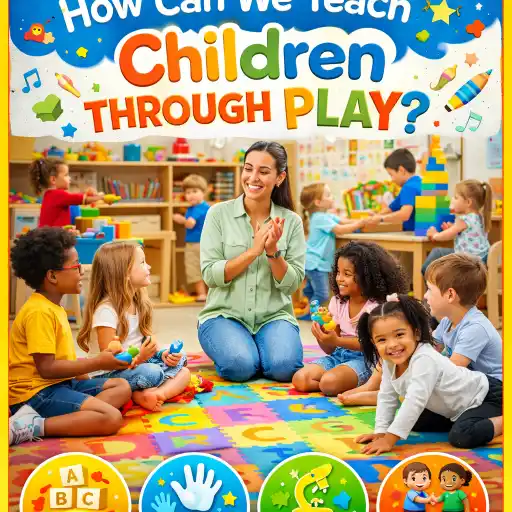
Planning keeps play focused without taking the fun away. Use big time blocks for play, clear goals, and simple observation. For step-by-step lesson planning and schedules, see California Preschool Lesson Plans and Lesson Plan Examples. Remember: state requirements vary - check your state licensing agency.
- 📅 Set 1–2 learning goals per day (example: practice counting to five; practice asking for a turn).
- 🧺 Prepare a week basket with books and props tied to your theme (rotate materials weekly).
- 🎯 Use long play blocks (30–60 minutes for preschool) so children can dive deep into play.
- 👀 Observe: pick 1–2 children per day to note skills. Use short forms from Classroom Observations.
- ✅ Add small guided moments: ask open questions, teach one new word, then step back.
How should we arrange rooms and outdoors to invite play?
- 🪑 Zone your room: reading, blocks, art, dramatic play, sensory. Label shelves with pictures and words.
- 🎨 Offer open-ended materials: fabric, blocks, loose parts, trays, and natural items so children invent uses.
- 🌳 Plan outdoor stations: water play, building, and nature exploration. Keep a small outdoor kit (clipboards, wipes, magnifier).
- 🔍 Keep sight-lines clear: arrange furniture so adults can see every child and move to support play.
- ♻️ Rotate materials each week to renew interest and keep the space manageable.
What common mistakes happen and how do we work with families and assessment?
Some mistakes are easy to fix. Pair clear observation with family partnership for best results. Family engagement strategies and simple parent tips are at Family Engagement Strategies and home-school readiness ideas at Boost School Readiness. For concrete, warm examples of how family day care providers use play to build relationships, encourage learning, and handle unexpected moments, see The Family Day Care Chronicles.
- ❌ Mistake: Too much adult direction. Fix: Offer materials and a question, then let children lead. Use scaffolding—add language or a small challenge.
- ❌ Mistake: Rushing play. Fix: Protect long blocks of uninterrupted play time so learning deepens.
- ❌ Mistake: Not documenting strengths. Fix: Use quick notes, photos, and one-target goals from your observations (Observation Checklist).
- 🤝 Work with families: send one quick home activity, invite their ideas, and celebrate small wins. See family partnership tips at Family Engagement Strategies.
FAQ
- Q: Will play delay academics? A: No. Play builds language, thinking, and self-control that help later academics—see Play with a Purpose.
- Q: How long should play blocks be? A: Aim for 30–60 minutes for preschoolers; shorter, frequent blocks work for toddlers.
- Q: How do we meet licensing rules? A: State requirements vary - check your state licensing agency and follow staff ratios and safety rules.
- Q: How do we include mixed ages? A: Offer layered challenges (easy/harder), use buddy pairs, and adapt materials (bigger pieces, seated options).
Conclusion
Teaching through play is simple to start and powerful over time. Try these three steps this week:
- 🎲 Protect one long play block each day and choose one clear goal (language, counting, or sharing).
- 📚 Prepare one week basket tied to your theme (book + props + loose parts).
- 📸 Observe one child per day, write one short note, and share a quick family tip.
For courses and extra guides, explore ChildCareEd’s trainings like Play, Learn, Grow Buy Now $25.00 and topic articles linked above. Keep practicing, celebrate small wins, and let #play lead your #learning for every #child. Your role as #educators working with #families makes the difference.
Play supports many skills at once. When children play they practice language, memory, planning, and large and small muscles. Research and practical guides explain how pretend play, block building, and active games teach lasting skills. For classroom ideas and research-based tips, see What Is Play-Based Learning and Why Does It Work? and Play-Based Learning and Cognitive Growth.Design spaces so children can reach things, choose activities, and move safely. ChildCareEd’s guide on designing learning spaces is full of practical tips: Designing Learning Spaces that Inspire Curiosity, Not Chaos. Outdoor learning is powerful too—see seasonal tips at Outdoor Learning Ideas for All Seasons and safety guidance from the CDC.- Exploring the World: Fun and Educational Social Studies Activities for Preschoolers
- Building Social Foundations
- National Grandparents' Day: Timeless Life Lessons from Grandparents
- CDA Certification en Español: Recursos y Consejos para Educadores Bilingües
- How Can We Teach Empathy, Kindness, and Cooperation Through Daily Routines?
- ¿Cómo puedo usar escenarios de juego de roles de primeros auxilios en mi aula?
- 10 Ejemplos de Cómo la Cultura Influye en el Desarrollo Infantil
- Proporciones de Cuidado Infantil y Tamaños de Grupo por Edad en Nueva Jersey (Guía Rápida para Centros y Hogares)
- Cómo Trabajar en el Cuidado Infantil en Carolina del Norte: Requisitos y Pasos
- How Can We Help Children Make Friends?
- How can I teach colors, shapes & numbers through play in Michigan classrooms?
- What can DC early childhood educators learn by watching children play?
- Celebrando la amistad en el cuidado infantil durante el Día de los Mejores Amigos
- Canciones, juegos y preguntas de círculo para niños
- Superhero Theme Activities for Preschool and Child Care
- Bring the Pumpkin Patch Inside: Dramatic Play Ideas for Preschool
- How Can Child Care Providers Create a Positive Classroom Behavior Support Plan Through Curriculum and Play-Based Learning?
- How Can Child Care Providers Teach Sharing Without Forcing It?
- How Can Child Care Providers Teach Children to Join Play Without Grabbing or Interrupting?
- How Can Child Care Providers Teach Summer Safety Lessons Young Children Can Remember?
