What Is Play-Based Learning and How Does It Help Thinking?
Play-based #learning means children learn by playing. This is a way of learning that feels fun and natural to kids. Instead of just listening to lessons or doing worksheets, children explore, make choices, and solve problems while playing. This kind of learning helps the brain grow and helps children learn many new skills while having fun. #learningthroughplay #cognitiveskills #playmatters
In play-based learning, children use their imagination and curiosity. They learn languages, #math ideas, social skills, and thinking skills all through everyday play. Educators support this learning by watching, asking questions, and guiding children without taking over the play. This helps children build confidence and skill.
How Does Play Help the Brain Grow?
Play does much more than keep children busy. It actually helps their brains develop in key ways: 
- Problem Solving: When children try a game and it doesn’t work, they think of new ideas.
- Language and Words: Talking during play builds vocabulary and communication skills.
- Memory and Focus: Children learn to remember rules, ideas, and steps in games.
- Creativity: Imagination grows when children make up stories, roles, and ideas.
- Social Thinking: Playing with others teaches cooperation and empathy. #childdevelopment
Play helps children think better and prepares them for reading, math, and real-life situations. This kind of learning is supported by research and used by many early childhood educators.
What Are Examples of Play That Help Thinking?
Children learn through many kinds of play. Here are common examples you can use:
- Building with Blocks: Teaches shapes, space, and balancing ideas.
- Art and Drawing: Lets children express ideas and build fine motor skills.
- Dramatic or Pretend Play: Like “ #home,” “store,” or “school” — builds language and imagination.
- Outdoor Play: Running, jumping, and exploring nature improves body and mind.
- Simple Games: Playing turn-taking games builds rules, memory, and teamwork. #playandlearn
All these activities help children think, talk, solve problems, and learn about the world.
How Do Teachers Use Play to Teach?
Good play-based learning happens when adults #plan for play that supports growth. Here are simple ways teachers and caregivers can help:
- Create Space for Play: Provide areas with blocks, art, dress-up clothes, and nature items.
- Follow the Child’s Interests: Watch what children choose and ask questions like “What are you planning?”
- Blend Guided and Free Play: Let children lead sometimes, and sometimes offer gentle guidance.
- Talk About Play: Ask children what they are thinking and learning after play time.
- Connect Play to Skills: Use play to build counting, words, problem solving, and cooperation.
Play becomes learning when adults support it with positive language and encouragement. This approach builds children’s confidence and thinking skills every day. #teacherresources
Want Training on Play-Based Learning?
If you want to learn how to support children with meaningful play experiences, here are helpful ChildCareEd training courses:
- Play, Learn, Grow Online Version – ChildCareEd course
Learn how young children grow and how to create activities that support their development through play and age-appropriate practice. - Role of Play in Learning – ChildCareEd course
Understand how play helps children learn and grow, and how to make early childhood settings that support play-based learning. - Teacher & Me Playtime – ChildCareEd course
Focuses on planning play experiences and how teacher guidance can help children learn, especially in early years.
These trainings help caregivers build skills for real classroom and home play situations.
Where Can You Find More Play Ideas and Tips?
ChildCareEd has tools and guides to help you plan play activities and early learning environments: 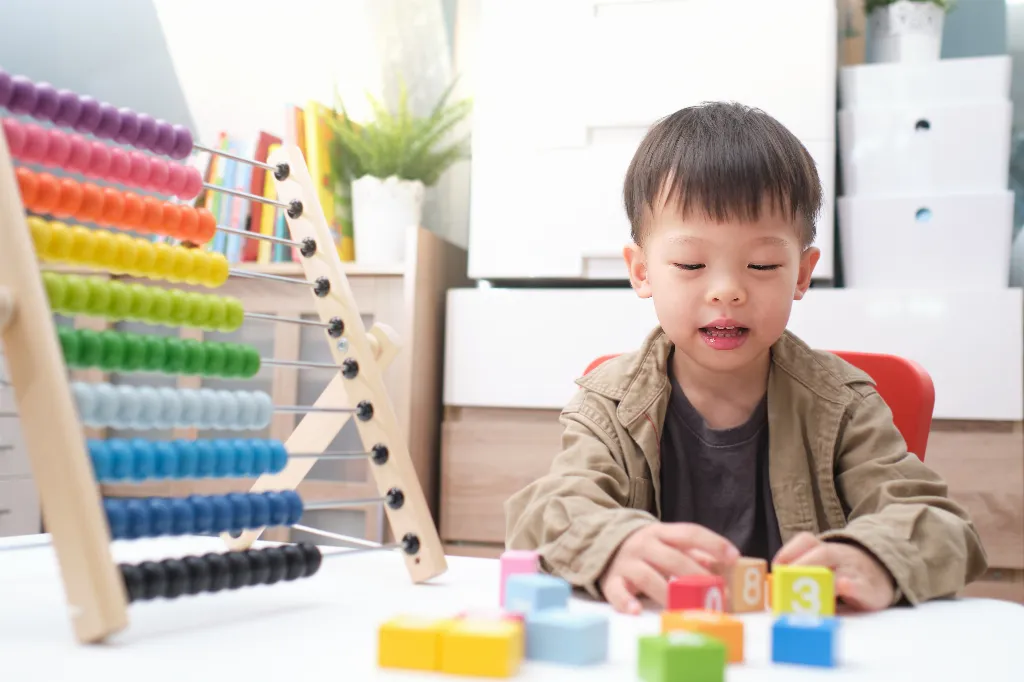
- ChildCareEd Resource: You can use helpful classroom planning tools, activity ideas, and checklists to support play-based learning in your setting. (ChildCareEd resources page)
To learn more, here is a related ChildCareEd article:
- The Power of Play: Unleashing Potential in Early Childhood Education – ChildCareEd article
This article explains how play builds skills like language, problem solving, and social thinking in young children.
Follow for More Play Ideas
Want more practical play ideas? Follow ChildCareEd on social media!
👉 Follow ChildCareEd on Instagram for fun activity ideas, tips for educators, and examples of play-based learning you can use every day. #childcareideas #earlylearning
Easy Tips You Can Use Tomorrow
Here are simple ways to support thinking and growth through play:
- Add open-ended toys: Blocks, shapes, drawings, and nature objects let children use imagination.
- Ask questions during play: “What could we try next?” or “Why do you think that happened?”
- Give plenty of time: Children think deeper when play isn’t rushed.
- Encourage teamwork: Let children work together on play tasks.
Play is not a break from learning — play is learning. When children play, they grow their brains, their language, and their confidence.
- CDA Preschool Credential with Portfolio Review
- Play Safe, Think Big: Literacy Through Play
- CDA Bridge Bundle: Preschool
- CDA Bridge Bundle: Family Child Care
- The Best Promotion is Play
- CDA Bridge Bundle: Infant/Toddler
- Role of Play in Learning
- CDA Infants/Toddlers: Brain Development and Gene Expression
- CDA Infants/Toddlers: Stages of Development
- CDA Home Visitor Subject Area 8 Part 1 Birth to 5
- Building Social Foundations
- The Family Day Care Chronicles: Tales of Laughter, Learning, and Unexpected Adventures
- Tiny Hands, Big Dreams: Fostering Creativity in Preschoolers
- Hungry for Play: The Power of Play-Based Learning in Early Education
- Teaching with Purpose
- ¿Cómo explicar los colores a un niño ciego? Actividades con tacto, sonido y emociones
- Actividades de Otoño Fáciles para Preescolares esta Temporada
- How Do Art Activities Support Cognitive Growth in North Dakota Preschoolers?
- Canciones, juegos y preguntas de círculo para niños
- What Is Play-Based Learning in Preschool and How Do We Do It Well?
- What Is Play-Based Learning in Preschool and How Do We Do It Well?
- How can I make the case for play-based learning in my Michigan program?
- Why Does Old‑School Play (Blocks, Mud, Cardboard) Still Win?
- What Does Bluey Get Right About Play and Parenting?
- What Can Child Care Providers Learn from Children's Favorite Games?
- What Makes a Great Home Daycare? 10 Things Parents Notice First
- More Than ABCs and 123s: The Real Importance of Early Childhood Education
- How Can Child Care Providers Support Preschool Development?
- How Can Child Care Providers Use Learning Styles Responsibly in Early Childhood Classrooms?
