Working in a Georgia preschool means you help children learn big life skills while they play. This short guide gives friendly, practical tips to use during indoor play so children learn to # share, take #turns, and show #empathy with classmates. It uses simple words, scripts you can say out loud, and small classroom routines that fit busy days.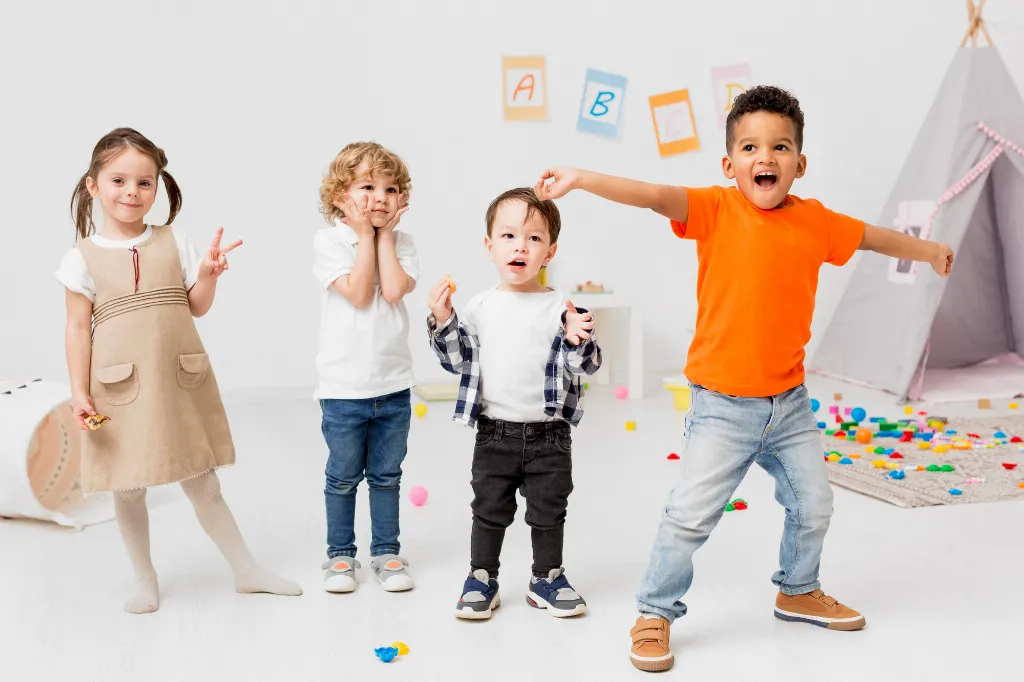
Why it matters: Children who learn these skills feel safer, make friends, and stay focused on learning. When staff teach sharing with kindness and clear steps, the whole room is calmer and happier. Also, state requirements vary - check your state licensing agency.
Readers: child care providers and directors in Georgia will find ideas to try today. For classroom scripts and prevention tips, see How can we teach sharing without forcing it? and for building a positive learning environment, see Creating a Positive Learning Environment.
How can I teach sharing without forcing it during indoor play?
- 😊 Model a short script: say, “Can I have a turn?” or “Your turn next.” Repeating short lines helps children copy the words. See simple scripts at ChildCareEd on teaching sharing.
- 🕒 Use a visible timer or a picture card to show turns. Visuals help non-readers trust the system.
- 🔁 Offer clear options: swap, wait with a timer, or play alongside ("I’ll drive the garage while you drive the car"). These alternatives teach cooperation without taking control.
- 🏷️ Notice and praise specifics: "You handed the truck to Maya—thank you for sharing." Specific praise makes the action repeat (see CSEFEL strategies at CSEFEL).
- 🎭 Role-play briefly: use puppets or a quick circle practice so children rehearse words when calm.
Keep the coaching short. If a child refuses, prime them beforehand: tell them who to ask and what to say before free play starts. For more classroom-ready ideas, review How can preschoolers learn to share.
What classroom routines help children practice turns and empathy?
- 😊 Morning greeting routine: each child chooses a greeting (wave, high five). This builds connection and practice for polite approaches.
- 🧩 Buddy jobs during centers: rotate helpers who pass materials or invite a friend. Jobs teach cooperation and give practice saying friendly invites.
- 📚 Read-and-reflect: pause during a book and ask, "How does that character feel? What could a friend do?" Books make feelings concrete—see guided play ideas at How to Foster Friendship Skills Through Guided Play.
- 🔔 Short transition warnings: say “Two minutes till clean-up” and use the same song or timer each day so children predict endings.
- 🎉 Kindness board: post one short note daily praising a sharing moment. Children love to see their acts noticed.
Why routines work: they turn one lesson into many small chances to practice. For prevention and classroom design tips, see Creating a Positive Learning Environment.
How can guided play and short scripts help children join and take turns?
- 😊 Set a clear goal for play: "Today we will build one long train together." Goals help children share attention.
- 👀 Model joining steps: look, tap shoulder, say name, ask: "Can I play when you are done?" Practice with two children first so others see the pattern.
- 🧩 Give role cards or simple jobs (driver, fixer) to make roles clear in pretend play. This helps children know how to fit in.
- 🔁 Coach repair language: show short lines—"I’m sorry. Are you okay?"—so children can fix friendships after a problem.
- 🏅 Reinforce quickly: praise the skill right after you see it. Small rewards like stickers or a job can support practice (see CSEFEL What Works Brief).
Guided play is also great for children learning English or with special needs—use visuals and repeat scripts slowly. For tips on using play to build friendships, visit ChildCareEd guided play.
What supports help children who struggle, and how can I involve families?
Some children need extra steps. Use these supports and partner with families for steady progress.
- 😊 Priming: before free play, tell a child exactly who to ask and what to say. This boosts confidence and success.
- 🛠️ Role-play practice: rehearse short joining scenes with puppets or a peer for 2–3 minutes.
- 🤝 Peer buddies: assign a Friendship Helper who invites and models inclusion for a child having trouble joining.
- 🔍 Adapt the environment: offer bigger blocks, quieter corners, or duplicate popular toys so sharing pressure drops.
- 📩 Share quick family notes: send one-line "empathy moments" or a single home script for families to practice. Family partnership speeds learning; see ChildCareEd Family Engagement.
If behavior stays a concern, collect simple data and plan a team approach. Georgia directors can find local training like the 40-Hour Director's Course for Georgia  Buy Now
 $125.00$100.00, and staff can take targeted classes such as Viewing Guidance in a Positive Light Buy Now $24.00.
Conclusion — Quick checklist, common mistakes, and FAQ
Use this short checklist during indoor play:
- 😊 Model one short script every day and practice it during circle time.
- 🕒 Use timers or picture cards for turns.
- 🔁 Plan a 5–10 minute guided play session that teaches joining or sharing.
- 🏷️ Praise specific helpful actions immediately.
- 📩 Send brief family notes and ask what works at home; state requirements vary - check your state licensing agency.
Common mistakes and fixes:
- 🚫 Forcing sharing (taking toys away) — Fix: teach offers, swaps, or parallel play instead. See ChildCareEd.
- 🚫 Long lectures — Fix: use short scripts and practice when calm.
- 🚫 Inconsistency among staff — Fix: pick 3 short classroom phrases and use them every day (share them in a staff meeting).
FAQ
- Q: How soon will I see change? A: Small wins in weeks; steady change in months with daily practice.
- Q: Should I ever remove a toy to stop a fight? A: Only if safety is at risk. Most times, teach alternatives first (ChildCareEd tips).
- Q: How do I help a child who is often left out? A: Use peer buddies, priming, and role cards so joining is clear.
- Q: Are there free lesson ideas? A: Yes—ChildCareEd articles and CSEFEL briefs linked above have scripts and short lesson plans (see CSEFEL).
Thank you for the patient, caring work you do. Small, steady steps with short scripts, visuals, and family partnership help children learn to share, take #turns, and show #empathy in your #classroom with fun and respect.
Guided play gives a safe space to coach real social steps. Use these moves during 5–10 minute guided sessions and during free play: Routines give many short practice moments each day. Try these easy routines and pair each with a short script.Start small and keep it fair. Children learn best when adults teach choices, not take toys away. Try these steps every indoor play time:- CDA Preschool Credential
- CDA Home Visitor Subject Area 3 Part 3 Birth to 5
- CDA Preschool Credential with Portfolio Review
- Bienvenido! Welcoming All Families
- Birth to Five CDA Credential with Portfolio Review
- Play Safe, Think Big: Literacy Through Play
- How Preschoolers Develop
- CDA Bridge Bundle: Family Child Care without Portfolio Review
- CDA Bridge Bundle: Infant/Toddler without Portfolio Review
- CDA Bridge Bundle: Preschool without Portfolio Review
- ❄️ ¿Qué actividades al aire libre funcionan bien para los niños de Illinois en cada estación? 🌷🍂
- How can I plan peach-themed summer activities for preschoolers in Georgia?
- How can Georgia preschool teachers use positive guidance to help preschoolers share during indoor play?
- How can positive guidance help manage big feelings during indoor play in Oklahoma classrooms?
- How can rainy day indoor activities help preschoolers learn kindness and cooperation in Georgia?
- How can positive guidance make indoor transitions calm in California early childhood classrooms?
- Which Georgia Parks and Nature Centers Are Best for Preschool Field Trip Adventures?
- How can visuals, routines, and gentle words support Georgia preschoolers with special needs?
- Air Quality and Child Care in Georgia: Outdoor Play Safety Tips
- Celebrando la amistad en el cuidado infantil durante el Día de los Mejores Amigos
- Connections That Last: Helping Georgia Early Educators Build Stronger Classrooms Through Community and Collaboration
- Daycare Ratios by Age: Infant, Toddler, and Preschool Requirements Explained
- Preschool Classroom Rules: How to Teach Expectations Without Constant Reminders
- Preschool Schedule That Works: When to Plan Centers, Circle Time, and Outdoor Play
- Training for Preschool Teachers: What Should You Take After You Meet the Minimum Requirements?
- How Can Child Care Providers Create a Preschool Schedule That Supports Learning and Well-Being?
- What Are 10 Positive Guidance Strategies Every Child Care Teacher Should Know?
- How Often Should Preschool Teachers Change Classroom Activities?
- Is Your Preschool Day Too Sedentary—and How Can You Tell?
