Creating a calm space helps children learn, feel safe, and enjoy their day. This short guide is for directors and child care providers who want simple steps that work. You will find easy lists, clear routines, and tools you can try tomorrow. Remember: state requirements vary - check your state licensing agency. You’ll see links to helpful ChildCareEd articles for more ideas.
Why does a calm classroom matter?
2) Why it matters (short):
- 🧠 Children learn better when they feel secure.
- ❤️ Calm supports social-emotional growth for young #children.
- 🔁 Predictable routines help children know what comes next.
3) Quick evidence-based tip: start with one change (like a cozy corner). Small steps add up. For research-based schedule tips, see the CSEFEL brief on routines.
How can I set up the physical space to feel calm?
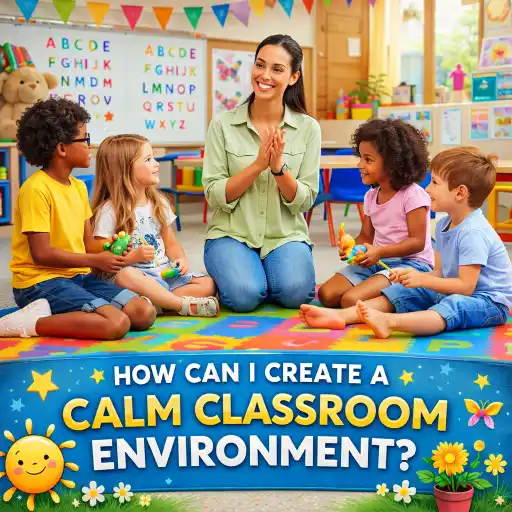
Follow these numbered steps to create a calm layout. Use photos of your room for visuals and keep things simple. Prioritize soft zones and clear traffic paths.
- 🌞 Lighting
- Use natural light when possible.
- Turn off extra bright overhead lights and add a soft lamp in a quiet spot.
- 🔇 Noise control
- Add rugs, curtains, and cushions to soak sound.
- Separate loud centers (blocks, dramatic play) from quiet areas (books, puzzles).
- 🛋️ Cozy corner
- Create one calm spot with 3–5 simple tools: soft rug, pillow, breathing visual, sensory bottle, and a feelings chart. ChildCareEd has a how-to: How Do I Create a Calm-Down Corner.
- 🧩 Order and labels
- Keep shelves low and labeled with pictures so children can find and return items.
For quick setup ideas and checklists, the Building a Calm Classroom post has easy steps to try today.
What routines and adult habits create calm?
- 🕒 Clear schedule
- Post a visual schedule with photos and review it each morning (see CSEFEL tips).
- Keep main parts of the day the same: arrival, active play, snack, rest, outdoor time.
- 🔔 Smooth transitions
- Give a 2-minute warning, use a song or bell, and offer one clear choice before moving.
- Teach transition routines in small steps. See CSEFEL on transitions: Helping Children Make Transitions.
- 🧘 Mindful moments
- Practice 1–3 minute breathing breaks or a short mindful listening activity. ChildCareEd’s Mindfulness for Little Learners has ready ideas.
- 🤝 Relationship-first responses
- Model calm: use a warm voice, get to children’s level, and name feelings. This helps children regulate.
Tip: Teach routines when children are calm. Practice the cozy corner and breathing tools during circle time so they become real choices later.
How do we teach children tools, avoid common mistakes, and check progress?
Use short practices, clear rules, and team habits. Here’s a simple plan you can follow as a team.
- Teach & practice
- 🧑🏫 Introduce tools during a calm moment (show the corner, name the items, practice breathing). Use ChildCareEd calm-down resources like the Calm-Down Kit Checklist Buy Now $0.00.
- Team rules and supervision
- ✅ Keep visits short (2–5 minutes) and staff nearby. Make the corner voluntary and not a punishment. State requirements vary - check your state licensing agency.
- Common mistakes and fixes
- ❌ Mistake: Using corner as punishment. ✅ Fix: Teach it during calm time and role-play.
- ❌ Mistake: Too many toys that overstimulate. ✅ Fix: Limit to 2–4 low-stim items and rotate.
- ❌ Mistake: Long lectures during upset. ✅ Fix: One short sentence + one simple choice.
- How to know it’s working
- 📈 Fewer long meltdowns and faster returns to play.
- 🗣️ More children use feeling words or ask for the calm corner.
- 🤝 Staff report feeling steadier and less rushed.
FAQ (short):
- Q: How long should visits be? A: 2–5 minutes to reset; staff stay nearby for longer.
- Q: What if a child refuses? A: Offer one calm choice, stay nearby, and practice later when calm.
- Q: What tools work best? A: Breathing visuals, a sensory bottle, a soft toy, and one squeeze ball.
- Q: Where to learn more? A: ChildCareEd has courses and free resources linked above.
Conclusion
1) Start small: pick one change this week (dim a light, add a pillow, or teach one breathing exercise). 2) Practice often and keep rules simple. 3) Support your team—calm adults make calm rooms. For practical ideas and printable tools, visit ChildCareEd pages linked in this article. You are doing important work for children every day. Keep trying one step at a time—your #classroom and your #children will thank you for it.
1) Calm is more than quiet. A calm room feels #safe, predictable, and not too busy. When the space supports children, you will often see: better focus, kinder play, and fewer big meltdowns. Read more about why calm matters at From Chaos to Calm.Routines and teacher actions set the tone. Use these numbered practices to build daily calm.- 👶 ¿Cuáles son las proporciones y grupos requeridos en Dakota del Norte? 🏫
- How can we create a calm classroom that helps children learn?
- Canciones, juegos y preguntas de círculo para niños
- How to Become a Montessori Assistant Teacher
- What Is a Positive Classroom Climate?
- Classroom Climate: How Teachers Can Build a Positive Environment
- How Can We Create a Calm and Nurturing Infant Classroom?
- What small changes make child care classrooms feel more welcoming?
- How Can Thoughtful Design Create Calm Classrooms?
- How can I build a more joyful classroom without buying new supplies?
- Why Do Classroom Management Strategies Fail With 3-Year-Olds—and What Works Instead?
- Child Keeps Hitting Other Kids? Look for These 7 Patterns Before Reacting
- Toddler Classroom Management Strategies for the 5 Hardest Parts of the Day
- Why Is My Preschool Classroom So Chaotic? 7 Classroom Management Fixes to Try
- Why Are Coping Skills Important for Preschoolers?
- How Can Child Care Providers Create Sensory-Friendly Learning Spaces for All Children?
- How Can Providers Create a Calm-Down Corner That Actually Works?
- How Can Printable Routines Turn Morning Chaos into Classroom Calm?
- How Can You Design a Calming Corner That Preschoolers Actually Use?
