Creating a classroom where children feel safe, seen, and treated kindly starts with small daily choices. This article gives clear steps you can use right away to build a #respectful, #classroom full of strong #relationships, #inclusion, and #empathy. You’ll find practical routines, teaching scripts, family ideas, and common mistakes to avoid. For quick inspiration about daily community routines, see How to Build Community in Your Classroom Through Daily Rituals.
How do I begin—what should I put in place first?
- 🔹 Make 3 clear, positive rules (example: "Be kind," "Use gentle hands," "Listen when others talk"). Post with pictures and teach them each week — see ideas in Proactive Behavior Guidance.
- 😊 Create a morning ritual (greeting, name share, short song). Daily rituals build trust and a sense of belonging — more here: daily rituals.
- 🔸 Use a visual schedule so children know the day’s flow and transitions are calmer (CSEFEL guidance).
- 💬 Teach simple feeling words and a calm corner for big emotions — this supports social-emotional learning (social skills).
- 🤝 Greet families warmly and share one positive thing each day — family partnership matters (family relationships).
Begin with these steps and practice them every day. Small, steady routines create a dependable foundation for respect.
How do I teach and model respect during the day?
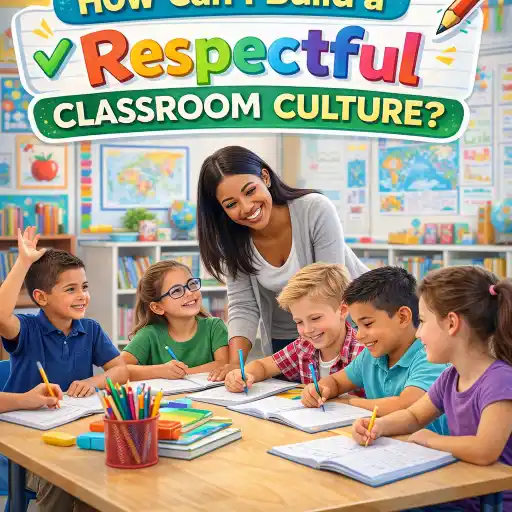
Children learn respect by watching adults and by practicing skills. Use these teaching moves every day:
- 🙂 Model respectful language: use calm voices, say names, and thank children for efforts. Example praise: "I noticed you waited—thank you for using your kind hands." (See Guiding with Heart.)
- 🎭 Role-play common moments (how to join play, how to ask for a turn). Short scripts help kids use words when they need them (friendship skills).
- 🛑 Use redirection and choices instead of long lectures. Offer alternatives: "You can build here or use these blocks to make a car." This keeps learning active (proactive guidance).
- 💬 Use restorative language after conflicts: name feelings, ask "What happened?" and help children fix it together. Restorative approaches rebuild trust (restorative practices).
- 👏 Notice small moments of respect often. Specific praise helps children repeat kind choices (responsive & respectful).
Teaching respect is not one lesson—it’s many tiny, repeated moments where you show and coach the behavior you want to see.
How do I include families and honor culture while teaching respect?
- 🌍 Invite families to share traditions, words, or photos. Display family pictures with permission — it helps children feel seen (culturally responsive teaching).
- 💌 Communicate clearly and simply. Ask open questions like, "What should we know to support your child?" and listen first (support diverse families).
- 🤝 Co-create goals. Work with families on behavior and development goals so home and classroom match.
- 🔤 Label things in more than one language when possible and celebrate children’s home languages (inclusion tips).
- 📣 Remember: state requirements vary - check your state licensing agency. Some steps may need family permission or documentation.
Respectful family partnerships are built on trust, curiosity, and clear communication. When families are included, classroom respect grows faster.
What common mistakes should I avoid and how can I fix them?
Even caring teachers make mistakes. Here are common pitfalls and quick fixes:
- ⚠️ Mistake: Inconsistent rules. Fix: Post 3 simple rules and teach them often. Practice makes them stick (PBIS basics).
- ⚠️ Mistake: Focusing only on consequences. Fix: Use positive attention and specific praise more than corrections — notice good choices first (CSEFEL).
- ⚠️ Mistake: Skipping family input. Fix: Ask families what works at home and adapt routines together (family relationships).
- ⚠️ Mistake: Ignoring culture. Fix: Learn a few words from home languages, add diverse books and toys, and ask families about traditions (culturally responsive).
- ⚠️ Mistake: Reacting in anger. Fix: Step back, use a calm voice, and reconnect with the child. Practice restorative follow-up after everyone is calm (restorative practices).
Spotting these mistakes and making small fixes keeps your classroom growing toward trust and respect.
Conclusion
Building a respectful classroom culture is doable: choose a few simple routines, teach and model respectful words, include families, and fix common pitfalls as they arise. Use daily rituals, specific praise, restorative language after conflicts, and strong family partnerships to grow respect over time. For more support, ChildCareEd offers courses like Teach with Respect Buy Now $35.00 and training on supporting diverse learners (Recognize, Respond, Respect). If you are earning or supervising a CDA, read our article on the CDA's role in supporting diverse learners (the CDA's role in supporting diverse learners) for specific responsibilities and classroom strategies.
Try one new routine this week and notice what changes. State requirements vary - check your state licensing agency.
- Professional Presence in Early Childhood
- Building Equity: Inclusionary Practices in Preschool
- From Play to Planning: Building Culturally Competent, Child-Centered Curriculum
- Teach with Respect!
- Pediatric RSV First Aid & CPR/AED
- Creating Engaging and Meaningful Learning Experiences
- Creating Environments that Nurture Growth and Community
- Connections That Count: Building Relationships in Child Care
- Texas Director Credential
- Mentoring Professional Etiquette in Child Care
- 👶 ¿Cuáles son las proporciones y grupos requeridos en Dakota del Norte? 🏫
- 10 Ejemplos de Cómo la Cultura Influye en el Desarrollo Infantil
- How can I build a respectful classroom culture?
- How can California early childhood educators communicate respectfully with diverse families?
- Mexican-Themed Activities That Teach Culture and Creativity
- How Can I Bring the World Cup into a Multicultural Preschool Classroom in New York?
- How can I create classroom traditions that children remember for years?
- How Can I Celebrate Lunar New Year Respectfully and Effectively in My Classroom?
- How can I introduce inspiring women to preschoolers?
- Child Care Administration Course: Are You Ready to Manage Adults, Not Just Classrooms?
- From Mealtime to Manners: How Cultural Influences Show Up in Everyday Child Care
- Rosh Hashanah Kindergarten Lesson Plans: 5 Days of Apples, Kindness, and New Beginnings
- How Can Child Care Providers Communicate Respectfully with Families About Special Needs?
- When Praise Stops Working, How Can Child Care Providers Offer Feedback That Builds Motivation?
- How Can Preschools Celebrate Hispanic Heritage Month Meaningfully?
- How Can Providers Teach Children to Notice When a Friend Needs Space?
- How Can Child Care Providers Share Small Concerns Before They Become Big Conversations?
- How Can Child Care Programs Celebrate Juneteenth Through Respectful, Child-Centered Art?
- How Can Child Care Providers Respond When a Classroom Theme Misrepresents a Family’s Culture?
- How Can Providers Ask About Family Traditions Without Making One Child the Spokesperson?
