You care for children every day. This article gives clear, practical steps to make learning spaces that are safe, calm, and organized for Nevada programs. You will find quick checklists, room ideas, and links to Nevada rules and training so your t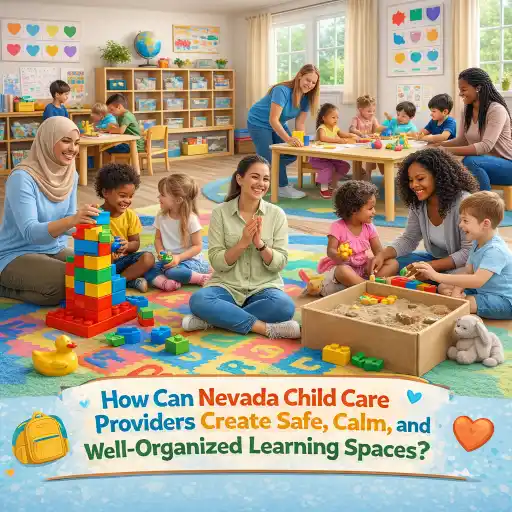 eam can act right away. Why it matters: When space and routines fit children’s needs, kids feel secure, behavior improves, and staff can teach more. For Nevada rules about licensing, ratios, and group sizes, follow the sources linked below — state requirements vary - check your state licensing agency.
How do Nevada rules affect how I set up rooms and staff activities?
Nevada law tells you how many staff you must have for each age and how large a group can be. These numbers help you plan rooms, supervision, and transitions so children stay safe. See a useful quick guide to those numbers at Nevada Child Care Ratios and Group Sizes.
- 🟢 Know the basics: For centers, infant rooms need more adults per child than preschool rooms. Use the youngest child’s age if groups mix. See this ChildCareEd guide.
- 🔎 Plan your schedule to match ratios: Post ratio charts in each room and add a floater for transitions. The ChildCareEd article on Nevada rules has steps to prepare for licensing visits at Nevada Child Care Regulations: A Guide.
- 📋 Use a daily staffing grid: List who covers arrival, meals, outside play, and naps. Count children at each change to keep #safety first.
- ✅ Tip: Keep staff files and training evidence handy. Nevada requires background checks and training; check the Nevada Registry and the ChildCareEd training suggestions at the Nevada Regulations guide.
When you design rooms with the rules in mind, supervision is easier and licensing visits go more smoothly. Post the rules where substitutes and new staff can see them.
How can I design spaces that feel calm, safe, and helpful for learning?
A calm classroom helps children focus and feel secure. Use simple design choices and low-cost changes to create spaces that invite play and learning. For big ideas and step-by-step tips, see Designing Learning Spaces that Inspire Curiosity, Not Chaos and the infant/toddler classroom guide at Playful Spaces: Designing the Infant & Toddler Classroom Buy Now $35.00.
- 🪑 Make clear zones: Create spots for reading, art, blocks, dramatic play, and a quiet corner. Use child-sized furniture and open shelving so kids can choose and return materials independently. A helpful checklist is in ChildCareEd’s resources at Classroom Setup resources.
- 🌿 Add a calming corner: Provide soft pillows, a small rug, low lighting, and a calm-down kit. See ideas at Creating a Peaceful Retreat and the Calm-Down Kit Checklist Buy Now $0.00.
- 🔁 Keep traffic flowing: Arrange furniture so staff can see every child. Leave wide paths for walking and play. This helps with active supervision and reduces bumps and interruptions.
- 🧰 Organize materials: Use baskets with pictures, rotate invites to play, and limit how many toys are out at once. Labels with photos help non-readers tidy up and stay organized (#calm and #organization).
- 📐 Safety checks: Anchor shelves, cover cords, and keep small parts out of infant reach. For outdoor ideas, review playground safety tips at Playground Safety Checklist.
Small design fixes make a big difference. Try one change this week — like adding a calm corner or moving shelves so sightlines improve — and watch how children settle more easily.
What daily routines, supervision, and health steps keep children safe and calm?
- 🔍 Active supervision: Move, scan, and count. Make a habit of scanning the room every few minutes and position adults where they can see children in every zone. Post a short supervision plan in each room.
- 🕒 Smooth transitions: Use visual schedules and warnings ("5 more minutes") so children know what comes next. ChildCareEd’s guide to visual schedules can help at How to Create and Implement a Visual Schedule.
- 🧼 Health steps: Handwashing, cleaning frequently touched surfaces, and separate storage for personal items reduce illness. Follow CDC tips at Protecting Against Infections.
- ⚽ Outdoor safety: Supervise playgrounds, check surfacing, and use age-appropriate equipment. See a full checklist at Playground Safety Checklist.
- 📋 Daily record-keeping: Keep headcounts at all transitions, log medication, and keep emergency contacts easy to reach. Use a three-place system: child folder, classroom binder, and program file as described in Nevada Regulations guide.
These everyday steps help prevent accidents and make your room feel calm and predictable. Remember: practice makes routines smoother for both children and staff.
How do I avoid common mistakes and get ready for licensing visits?
Many programs stumble on a few common problems. Avoiding these keeps children safe and helps you pass inspections. ChildCareEd has practical checklists for Nevada licensing at Nevada Child Care Regulations and a licensing checklist in the Daycare Center Requirements article at Daycare Center Requirements in Nevada.
- ⚠️ Common mistake #1 — Ratios slip during transitions. Fix: assign a floater, post ratio charts, and do a headcount before moving children.
- ⚠️ Common mistake #2 — Missing or disorganized records. Fix: use the 3-place system (child folder, classroom binder, program file) and keep backups scanned.
- ⚠️ Common mistake #3 — Expired trainings. Fix: track CPR, first aid, and required Nevada trainings and set reminders. ChildCareEd courses and Nevada Registry links help you stay current with the Nevada guide.
- ⚠️ Common mistake #4 — Unsafe sleep setups or medication errors. Fix: follow written policies, post crib checks, and use clear medication logs.
Quick pre-inspection checklist:
- Post license and ratio chart where visible.
- Show current CPR/First Aid and background checks in staff files.
- Provide completed child folders with immunizations and emergency contacts.
- Run a walk-through safety check: furniture anchored, clear pathways, playground surfacing safe.
If you need training on room layout or classroom management, ChildCareEd offers courses like Classroom Designers Buy Now $35.00 and Classroom Management is Collaboration  Buy Now $16.00. For a concise staff training that ties together safety, engagement, and practical classroom strategies, see Daycare Training 101: Building a Safe, Fun, and Educational Environment.
Conclusion
You can create safer, calmer, and better-organized rooms with small, steady steps. Start with rules and staffing, then make the space inviting and simple to manage. Use routines and health practices every day and avoid the common licensing pitfalls by keeping records tidy. Quick action list:
- 📌 Review Nevada ratios and licensing guides at ChildCareEd Ratios and NAC/NRS links.
- 🛠️ Add one calm corner and one visual schedule this week (see Calming Corner and Visual Schedules).
- ✅ Make a 3-place file system and post ratio charts in each room.
- 📞 Train staff on active supervision and infection prevention (see CDC guidance).
You are doing important work. Small changes add up to big gains in #Nevada #safety #calm #organization #classrooms — and families notice the difference.
FAQ
- Q: How soon must new staff complete required training? A: Usually within 90 days for initial topics; check Nevada guides and your licensor. See Nevada Regulations.
- Q: What if I mix ages? A: Use the ratio for the youngest child present. See Nevada Ratios.
- Q: Where can I get quick checklists? A: ChildCareEd has free resources for classroom setup and safety at Classroom Setup resources.
- Q: Who to call if unsure about a rule? A: Contact your regional licensing office and remember state requirements vary - check your state licensing agency.
- 45 Hour Child Growth and Development
- Medication Administration and the Prevention of and Response to Food and Other Allergies in the Child Care Environment
- Nutrition Essentials for Child Care Providers
- Pediatric RSV First Aid & CPR/AED
- 45 Hour School Age Methods and Materials
- CDA Bridge Bundle: Family Child Care
- Family Child Care Health Essentials
- Medication Administration and the Prevention of and Response to Food and Other Allergies in the Child Care Environment
- Texas Director Credential Renewal
- Texas Director Credential
- Supporting the Nevada Childcare Workforce
- 🩺 Cumplimiento de Salud e Inmunización en Cuidado Infantil de Nevada ✔️
- Recursos en Español sobre el Sueño Seguro del Bebé
- Nevada Child Care Transportation Rules: Field Trip Forms, Car Seats, Supervision
- Capacitación en Salud y Seguridad Preventiva en Línea para Proveedores de Cuidado Infantil
- Nevada Child Care Regulations: A Guide for Child Care Facilities and Family-Based Providers
- Proporciones de Cuidado Infantil y Tamaños de Grupo por Edad en Maryland (Guía Rápida para Centros y Hogares)
- Proporciones de Cuidado Infantil y Tamaños de Grupo por Edad en Virginia (Guía Rápida para Centros y Hogares)
- Cómo Trabajar en el Cuidado Infantil en Wisconsin: Requisitos y Pasos
- Capacitación Previa al Servicio para Proveedores de Cuidado Infantil en Georgia
- Capacitación Previa al Servicio para Proveedores de Cuidado Infantil en Nevada
- Best Daycare Field Trip Ideas in Nevada
- How to Open a Home Daycare in Nevada
- In-Home Daycare Requirements in Nevada
- How Can Nevada Child Care Providers Create Safe, Calm, and Well-Organized Learning Spaces?
- How can Nevada child care providers stay on track with ChildCareEd’s self-paced courses?
- How can Nevada preschool programs help children with special needs feel heard, included, and understood?
- Capacitación CDA gratuita en Illinois
- How can Nevada classrooms make room for every child?
- Canciones, juegos y preguntas de círculo para niños
