Introduction
This short guide is for child care directors and #teachers who work with #toddlers. You will find clear steps you can try tomorrow in your #classroom. The ideas are simple, practical, and kind. You will see tips about #routines and #behavior that help kids learn and adults feel less stressed.
Why it matters: Young children do best when days are predictable and adults are calm. A good plan reduces fights, keeps children learning, and helps staff stay happy. For more ideas about building a calm space, see Creating a Positive and Calm Classroom Environment and Effective Classroom Management Strategies for Preschool Teachers.
How can I set routines that toddlers will follow?
Routines help toddlers know what comes next. When they know what to expect, they feel safe and behave better. Try this easy plan:
- 😊 Greet warmly: Say each child’s name at arrival. A quick hello builds trust and starts the day well. See ideas in How Can Positive Guidance Improve Classroom Management.
- 📋 Use a picture schedule: Put photos or simple pictures of the day where children can see them. You can make a small flip book or pocket chart so each child can check what’s next. A free visual schedule idea is here: Free Printable Visual Schedule For Preschool.
- 🎯 Teach 3 rules: Pick 3 short rules (for example: "Hands gentle," "Walking feet," "Use kind words"). Practice them with games and role play every day.
- ⏱️ Give warnings: Tell children 5 minutes, 2 minutes, then 1 minute before transitions. Use a song or the cue "1, 2, 3, Eyes on Me" to get attention (1, 2, 3, Eyes on Me).
- 🔁 Repeat and be steady: Do the same steps each day. Toddlers learn by practice and by seeing adults do the same thing.
Why these work: Clear steps and pictures lower anxiety and help children join routines. For more on routines and transitions, check the brief on transitions from CSEFEL: Helping Children Make Transitions.
What can I do when toddlers act out?
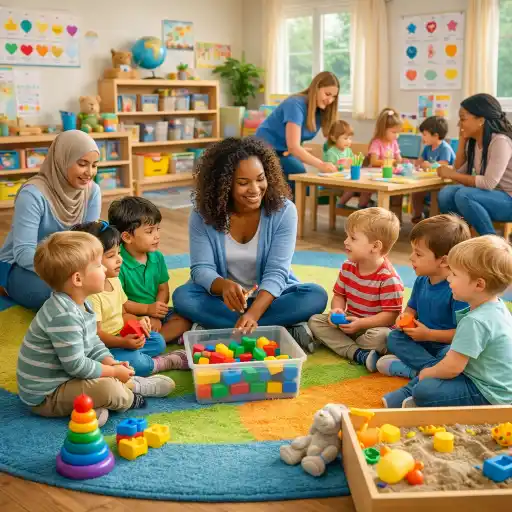
Toddlers test limits. They are learning words, feelings, and how to share. Use kind, quick tools to guide them:
- 🔍 Look for the reason: Use a simple ABC idea (Antecedent-Behavior-Consequence). Ask: What happened before? What did the child do? What happened after? The ABC model is here: The ABC Model Buy Now $0.00.
- 🗣️ Stay calm and short: Use a quiet voice and one or two words. Calm adults help calm children. See Managing Behaviors in the Early Childhood Education Classroom for ideas.
- 🔁 Redirect or offer choices: Say, "You can throw the ball outside or push this car here." Choices help children feel in control.
- 🧘 Teach a calm spot: Have a cozy corner with soft items and pictures to help children calm down. Use "time-in" moments to teach skills rather than long time-outs. Read about behavior tools at Resources for Managing Behaviors.
- 📄 Use small natural consequences: If a child spills sand, invite them to help scoop it up. Keep consequences short and related to the action.
Common mistakes and how to avoid them:
- 😵 Expecting fast change: Behavior shifts slowly. Track small wins.
- ⚠️ Inconsistency: Use same words and rules with all staff. Kids need steady adults.
- 😶 Shaming or long isolation: Use teaching times and brief breaks. CSEFEL explains safe use of brief time-out when needed: What Is Time-Out?.
If behavior stays hard or is dangerous, ask for help. Infant and early childhood mental health consultants can support programs: Infant and Early Childhood Mental Health Consultation.
How should I arrange the room for calm and learning?
The room is like a helper. A good layout makes routines easier and reduces fights. Try these steps:
- 🧩 Create clear zones: Make areas for blocks, art, reading, and quiet time. Use low shelves so toddlers see and reach toys. ChildCareEd calls the room the "second teacher" in their course ideas: Best Practices for Managing a Child Care Classroom or Program.
- 🔄 Rotate materials: Keep toys fresh by rotating centers each week. This keeps interest and encourages sharing. CSEFEL recommends environmental strategies to promote peer play: Using Environmental Strategies.
- 💡 Keep calm areas: Soft light, a small rug, and cozy pillows give children a place to rest and self-regulate.
- 📏 Set clear paths: Keep walkways open so children move safely. Place popular toys where adults can see them to help prevent conflicts.
- 🔔 Use visual cues: Signs, pictures, and a schedule help children know where to go and what to do next.
Why this matters: A planned room lowers confusion and keeps energy steady. For tips on calm rooms and routines see Creating a Positive and Calm Classroom Environment.
How can I team with families and specialists to support toddlers?
Behavior gets better when home and school use the same steps. Use this team plan:
- 📞 Share early and often: Send a quick positive note and one concern. Short chats at pickup build trust. ChildCareEd recommends steady family communication in many posts like Effective Classroom Management Strategies.
- 🤝 Ask families what works at home: Learn routines, words, and comforts families use.
- 📝 Keep simple notes: Track when behaviors happen (time, place, trigger). Data helps you see patterns.
- 👩⚕️ Bring in specialists when needed: If behaviors are strong or stay long, consult mental health experts or special educators. See IECMHC.
- 🔁 Make a short plan: Write 3 steps staff and families agree to try. Review progress each week.
Remember: state requirements vary - check your state licensing agency. Documentation and reporting rules differ by state, so it is important to follow local guidance.
Conclusion
Quick checklist to try this week:
- ✅ Post a picture schedule and teach it.
- ✅ Pick 3 simple rules and practice them daily.
- ✅ Make a cozy calm corner and teach children to use it.
- ✅ Use short, calm words and offer choices to redirect behavior.
- ✅ Talk with families and keep simple notes about patterns.
Want more help? ChildCareEd has courses like Classroom Management is Collaboration!  Buy Now $16.00 and Turning Behavior Around for Toddlers and Preschoolers Buy Now $25.00. Small, steady steps help your program feel calmer and help children grow.
FAQ (short answers)
- Q: How many rules should I teach? A: Three or fewer. Keep them short and practice often.
- Q: When do I call a specialist? A: If behavior is dangerous, lasts a long time, or stops a child from learning.
- Q: Is time-out okay for toddlers? A: Use short, safe strategies. Follow guidance like the CSEFEL brief and use time-out only when needed and combined with teaching.
- Q: How do I keep staff consistent? A: Share one short script for common moments and practice it together each week.
- 45 Hour Child Growth and Development
- CDA Preschool Credential with Portfolio Review
- CDA Family Child Care Credential with Portfolio Review
- 45 Hour Infant and Toddler Methods and Materials
- CDA Infant/Toddler Credential with Portfolio Review
- CDA Bridge Bundle: Infant/Toddler
- 45-Hour Infant and Toddler Curriculum
- Texas Director Credential
- How can child care providers handle toddler tantrums, routines, and sleep?
- Recursos en Español sobre el Sueño Seguro del Bebé
- Proporciones de Cuidado Infantil y Tamaños de Grupo por Edad en Nueva Jersey (Guía Rápida para Centros y Hogares)
- Proporciones de Cuidado Infantil y Tamaños de Grupo por Edad en Virginia (Guía Rápida para Centros y Hogares)
- How can positive guidance make indoor transitions calm in California early childhood classrooms?
- Toddler Classroom Management: Tips for a Calm and Happy Room
- Cómo simplificar la capacitación para sus empleados de daycare
- How can friendly-monster crafts teach children about feelings?
- Can a Superhero Week Help Preschoolers Learn to Name and Manage Emotions?
- Toddler Classroom Management: Routines, Behavior, and Big Feelings
- How to Manage a Preschool Classroom with Confidence
- Child Care Administration Course: Are You Ready to Manage Adults, Not Just Classrooms?
- What Can Hot vs. Cold Sorting Teach Preschoolers About Safety?
- How Can Child Care Providers Teach Preschoolers to Manage Big Emotions?
- When Children Can Reach Materials but Cannot Carry Them Safely, What Should Providers Do?
- When Adult Frustration Sets the Tone for the Whole Classroom, What Can Child Care Teams Do?
- How Can Preschoolers Learn to Ask for a Break Before Walking Away?
- How Can Teachers Help Young Children Recover After Making a Mistake?
- How Can Teachers Support Children Who Become Upset When They Lose a Game?
