What makes a classroom feel calm?
A calm classroom is not always quiet. Children will still laugh, talk, and move. Calm means the room feels safe, predictable, and not too “busy.” When the environment is calm, you may notice:
- Fewer meltdowns during transitions
- More time in #play and #learning
- Kinder words and gentler bodies
- Easier clean-up and group times
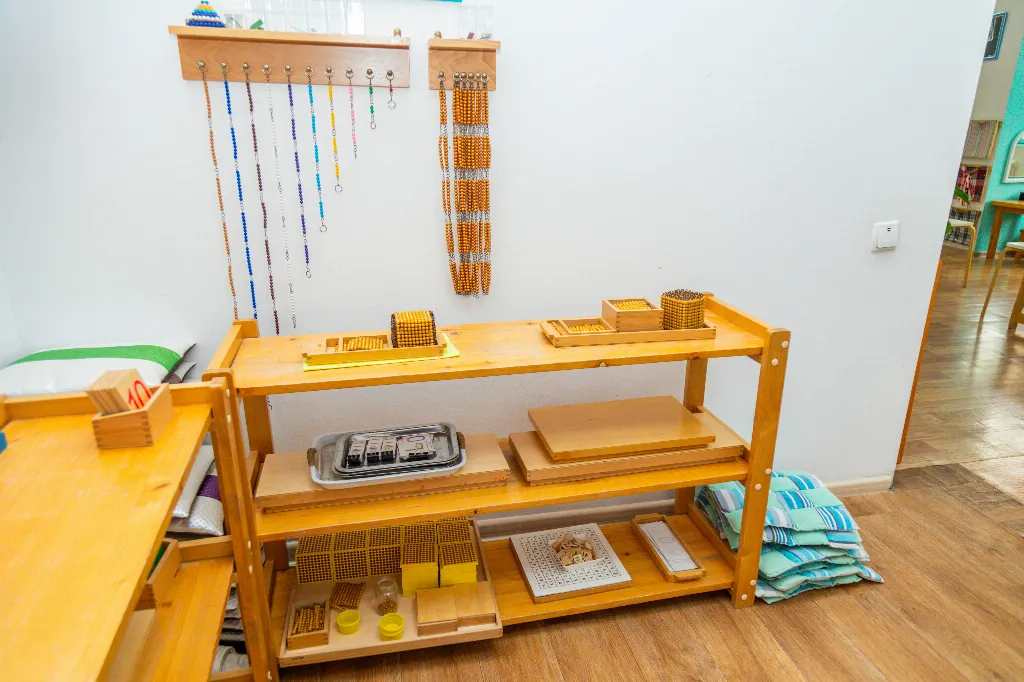
A good goal is: “The room helps children regulate.” (#earlychildhoodeducation)
How can lighting help children stay calm?
Harsh lighting can make children feel jumpy. Soft light can help bodies slow down. You do not need expensive items to make a big change.
Try these simple lighting steps:
- Use natural light when you can (open blinds, move #play-areas closer to windows).
- Turn off some overhead lights if your room has many bright bulbs.
- Add soft light in calm areas (a small lamp, string lights, or a light with a shade).
- Avoid flashing or very bright toys in quiet areas.
Watch for signs the light is “too much”:
- Children squinting or covering eyes
- More running, yelling, or “silly” behavior
- Children getting upset quickly
Quick tip: Make one “low light” spot for reading, #puzzles, or your #cozy corner. Even one calmer zone can lower #stress for the whole group. (#calmclassroom)
How do you reduce classroom noise without stopping play?
Noise is one of the biggest #stressors in child care. Many young children are still learning how to handle sounds. Some children feel overwhelmed faster than others. (A helpful ChildCareEd read on this is “Understanding Sensory Processing in Young Children.”)
Start with these easy noise reducers:
- Add soft items: rugs, curtains, pillows, and fabric can “soak up” sound.
- Put tennis balls on chair legs (if allowed) to cut scraping sounds.
- Separate loud and quiet areas: blocks and dramatic play away from #books and art.
- Use small-group times instead of one large group when possible.
Teach an “inside voice” in a positive way:
- Model it: “I’m using my soft voice.”
- Use a visual: a picture of a quiet mouth or a “voice level” chart.
- Praise what you want: “I like how your voice is gentle.”
Try a simple sound signal (instead of shouting):
- A small bell
- A clap pattern
- A short song cue
- A hand signal
When children learn the signal, you save your voice and the room feels more peaceful.
How do schedules and routines lower stress for children?
A clear schedule helps children feel #safe because they know what comes next. When children feel unsure, they often act out. Predictability lowers anxiety.
Build a schedule that works in real life:
- Keep the main parts the same each day (arrival, meals, #outdoor-play, rest).
- Plan active time → calm time (run outside, then do books or art).
- Leave extra minutes for transitions (young children need time).
Use a visual schedule (even for #toddlers):
- Photos of your real classroom work best.
- Show “first / then”: First clean up, then snack.
- Review the schedule at the start of the day and before big transitions.
Make transitions calmer with these tools:
- Give a 2-minute warning: “Two more minutes, then we clean up.”
- Use “jobs” during clean-up (block helper, book helper).
- Sing the same clean-up song every time.
If your day feels chaotic, start here: Pick one hard transition (like coming inside, clean-up, or #nap). Add one support. Then practice it every day for two weeks.
What is a “cozy corner,” and how do you set one up the right way? 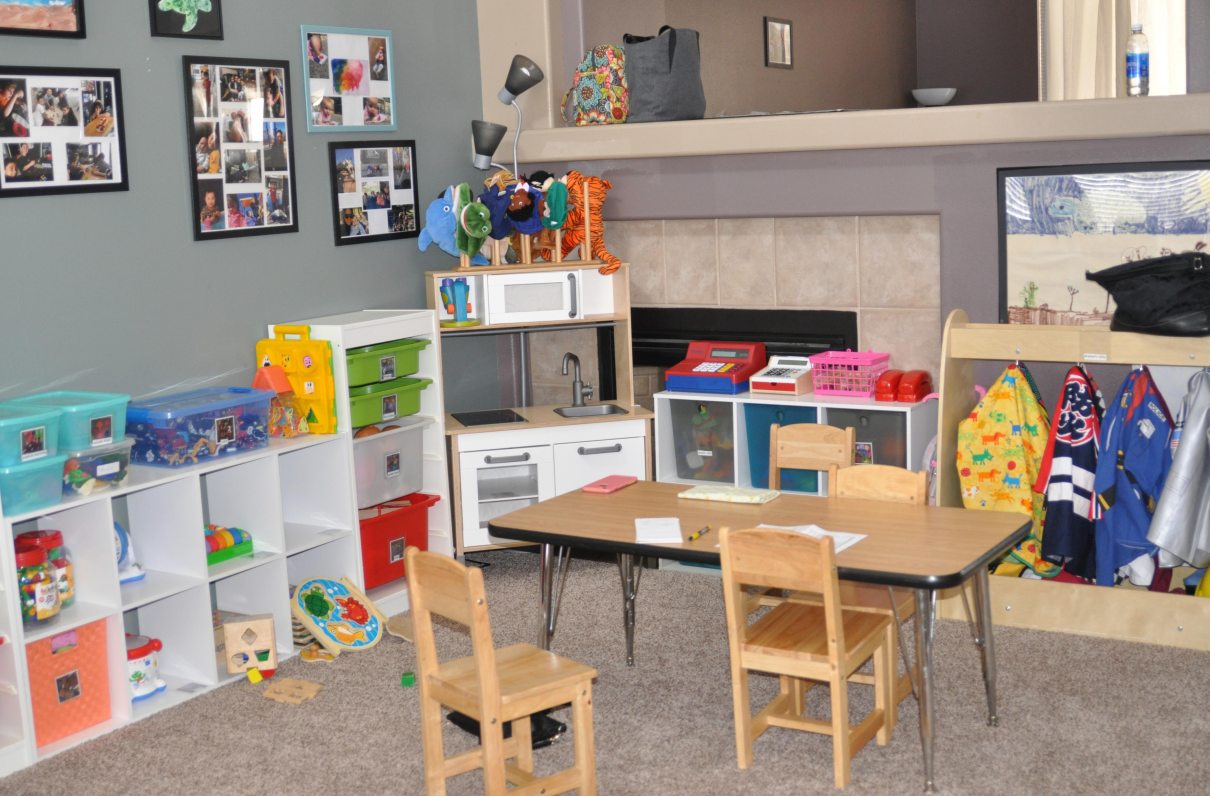
A cozy corner (also called a calm-down corner or peace corner) is a small place where a child can go to calm their body and feelings. It is not a punishment spot.
ChildCareEd has a #free Buy Now $0.00 “Peace Corner” resource that can help you set this up.
Cozy corner basics:
- Place it away from traffic (not near the door or busy centers).
- Keep it simple and not crowded.
- Make it soft and safe.
What to put in a cozy corner:
- A small rug or mat
- A pillow, cushion, or child-sized chair
- A feelings chart (faces are great for non-readers)
- Calm tools like:
- Soft stuffed animal
- Sensory bottle
- Fidget (safe and washable)
- Picture #books-about feelings
- Noise-reducing headphones (if available)
How to teach children to use it:
- Introduce it during a calm moment (like morning meeting).
- Say: “This is a safe place to help your body feel better.”
- Model it with role play:
- “I feel mad. I can take deep breaths in the cozy corner.”
- Keep it short at first (2–5 minutes), then help the child rejoin the group.
Important rule: A #teacher-should still supervise. Cozy corners work best when children feel supported, not isolated.
What can you do today? A simple 10-minute calm classroom checklist
If you only have a little time, start small:
- Turn off one set of bright lights, or open blinds
- Add one soft item (rug, pillow, curtain) to reduce noise
- Post a simple visual schedule
- Create a tiny cozy corner space with 3–5 calm tools
- Teach one transition signal (bell, clap, or song)
Small changes add up fast.
Related ChildCareEd trainings and resources
If you want deeper training and ready-to-use ideas, these ChildCareEd options connect directly to calm #classroom-setup and guidance:
Courses:
Free ChildCareEd resource :
Related ChildCareEd article :
Stay connected (and get more calm classroom tips)
For quick ideas you can use right away, follow ChildCareEd on YouTube and subscribe for new videos:
- Behind the Scenes: Baby Routines ONLINE
- Emergency and Disaster Preparedness
- 1,2,3, Eyes on Me: Classroom Safety
- From Tantrums to Triumphs: Equipping Preschoolers with Self-Regulation Skills
- Mysteries of Challenging Behavior Solved
- Art from the Heart for Preschoolers: Open Ended Art Projects that Build Self-Esteem
- Classroom Setup for Child Care
- Texas Director Credential
- Responding to Emergencies
- Emergency and Disaster Preparedness- Online
- CDA Certification en Español: Recursos y Consejos para Educadores Bilingües
- ⏰ Cómo puedo facilitar las transiciones y las rutinas diarias en mi aula?
- ¿Cómo Crear Rutinas Saludables Para Niños Pequeños (sin estrés)?
- ¿Cuánto tiempo se tarda en obtener una certificación CDA?
- ¿Cuáles son las mejores actividades de primeros auxilios para adultos?
- ¿Cómo empiezo mi certificación CDA en Florida en línea?
- Capacitación Previa al Servicio para Proveedores de Cuidado Infantil en Nevada
- Helping Toddlers Wake Up Happier After Naps
- Helping Your Toddler Wake Up Calm and Happy
- How Teachers Can Arrange Classrooms for Better Learning
- How Can We Create a Calm and Nurturing Infant Classroom?
- How Can Child Care Providers Understand and Support Sensory Needs in Young Children?
- How can child care providers recognize sensory sensitivity and support emotionally intense children in the classroom?
- How can early childhood classrooms become more sensory-friendly?
- How Can Thoughtful Design Create Calm Classrooms?
- What Makes a Child Care Classroom Feel Safe, Even Before a Word Is Spoken?
- Sleep Inertia in Toddlers: Why Waking Up Can Trigger Tears and Tantrums
- How Can You Design a Calming Corner That Preschoolers Actually Use?
- ¿Todos los niños deben participar en el tiempo de círculo?
