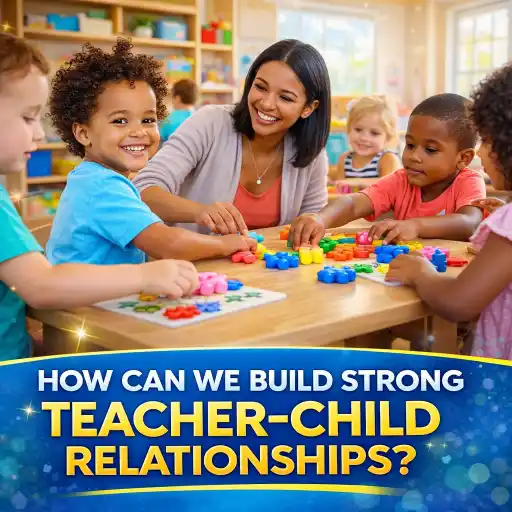
Strong, steady relationships help children feel safe and ready to learn. In this article we cover simple habits, ways to support feelings and behavior, family partnerships, and common pitfalls you can avoid. Why it matters: secure bonds lower stress, improve classroom routines, and help children try new things. You will see practical steps you can use tomorrow. This advice is for #teacher #child #relationships #families #trust. State requirements vary - check your state licensing agency. For a focused overview of practical strategies to strengthen these early bonds, see Building Strong Bonds: The Key to Early Childhood Success.
Why this matters (short):
- 1. Children who feel safe learn better and behave calmer (see ChildCareEd and CSEFEL Brief #12).
- 2. Small, regular actions add up — the "relationship piggy bank" idea helps you see daily deposits and withdrawals (CSEFEL handout).
1) What daily habits build trust with each child?
Trust grows from many small, kind moments. Use these easy habits every day to make deposits in each child’s relationship bank (ChildCareEd, CSEFEL).
- 😊 Greet each child and caregiver by name at arrival. A warm hello helps children feel remembered and calm.
- 👋 Get down to the child’s level for face-to-face talk. It shows you see and hear them.
- 🙂 Use short, specific praise ("You waited your turn with the truck — thank you!"). Specific praise teaches skills.
- 🤝 Follow a child’s lead in short play moments. Let them show you their idea — it says, “I value you.”
- ✨ Keep tiny rituals like a morning check-in, a goodbye song, or a quiet reading moment. Predictable rituals reduce worry (Building Relationships).
Practical tips:
- 1. Make at least one one-to-one contact with each child daily.
- 2. Protect brief rituals even when you are busy—20–30 seconds still counts.
- 3. Use routines and simple schedules so children know what to expect (attachment and routines).
2) How do relationships help children manage feelings and behavior?
When children feel safe with adults they are better able to learn self-control and social skills. Strong bonds make guidance easier and reduce challenging behavior (CSEFEL module).
- 🧠 Teach feeling words and use visuals (feelings charts, books). Name emotions so kids learn words instead of acting out.
- 🫂 Validate emotions: say what you see ("You look upset. I can sit with you for a minute."). Validation helps children calm down.
- 🔁 Use predictable, visible routines. Predictability lowers anxiety and prevents many meltdowns (ChildCareEd tips).
- 🏆 Praise efforts and steps, not just outcomes. Notice trying, waiting, and sharing — this builds skills.
- 📋 Teach replacement skills and use consistent guidance rather than quick punishment. Relationship work first makes behavior plans more effective (CSEFEL Brief).
Classroom idea: set up a calm corner with soft materials and a simple breathing exercise. Practice the breathing together each day. Over time children learn to use the calm spot and the adult supports to regulate strong feelings.
3) How can we include families and strengthen partnerships?
Families are experts on their children. Teamwork between staff and families makes each child feel safer and helps learning at home and school. For practical family strategies see How to Build Strong Relationships with Families and Building Strong Partnerships. You may also find practical ideas in Building Strong Bonds: Strengthening Relationships with Families in Childcare, which highlights strategies for family engagement and linking home and classroom.
- 📞 Send short, positive daily or weekly messages about something specific (a play moment, a new word). Families value details.
- 👪 Invite family stories, photos, and traditions into the classroom. This shows respect and builds belonging.
- 📝 Hold brief, solution-focused conferences: bring observations, listen first, and set small goals together.
- 🎉 Share wins often. Celebrate small steps so families see progress and feel part of the work.
- 🤝 Offer choices for family involvement — quick visits, sending a photo, or sending a favorite story.
Helpful reminders:
- 1. Make communication clear and free of jargon.
- 2. Translate key notes if families speak another language or use a simple picture to show the day.
- 3. State requirements vary - check your state licensing agency when changing family contact routines.
4) What common mistakes happen and how can we avoid them?
Even caring staff make mistakes. Catching small errors now keeps relationships strong. Below are common pitfalls and fixes drawn from practice and CSEFEL resources (CSEFEL, Teach with Respect).
- ⏰ Mistake: Skipping greetings and one-to-one time when busy. Fix: protect very short rituals—20–30 second hellos still make a deposit.
- 🙅♀️ Mistake: Correcting in public or reacting with anger. Fix: use private redirection, then reconnect with warmth.
- ⚠️ Mistake: Relying on punishment without relationship work. Fix: teach replacement skills and use consistent guidance.
- 🌍 Mistake: Overlooking culture and language. Fix: include multilingual labels, family photos, and culturally relevant materials (Culturally responsive tips).
- 🧠 Mistake: Ignoring trauma or chronic stress. Fix: use trauma-aware steps — safety, predictability, calm staff interactions, and referral when needed (attachment and trauma-aware ideas).
How to avoid pitfalls:
- 1. Use staff coaching, regular reflection meetings, and short checklists (greet, connect, notice, note).
- 2. Build a team plan: who will lead family calls, who will track one-to-one contacts, and when to ask for mental health consultation.
Conclusion — Quick checklist and FAQs
Daily checklist (easy to post):
- 👋 Greet kids and families warmly each day.
- 🔍 Make one one-to-one connection with each child daily.
- 📣 Give specific praise often (notice steps and effort).
- 🧭 Keep simple, predictable #routines.
- 🤝 Share a positive note with families weekly.
FAQ (short):
- Q: How long to build trust? A: Small daily deposits add up — often weeks to months depending on the child’s history.
- Q: What if a child resists connection? A: Try brief, low-pressure interactions and ask families about favorite interests.
- Q: Where can staff get training? A: See ChildCareEd courses like Supporting Social Learning Buy Now $35.00 and Teach with Respect Buy Now $35.00.
- Q: Who can help with tough cases? A: Program coach, mental health consultant, or local early childhood supports — state requirements vary - check your state licensing agency.
You are doing important work. Small, consistent kindness builds the biggest foundation for learning and belonging.
- CDA Home Visitor Subject Area 3 Part 3 Birth to 5
- Professional Presence in Early Childhood
- Roots & Resilience: Understanding What Shapes a Child
- Social Foundations and Responsive Classrooms
- Bienvenido! Welcoming All Families
- Family (or Parent) Conferencing: Developing Trust ONLINE
- Healing Young Hearts: Stress and Grief
- Connections That Count: Building Relationships in Child Care
- Community Partnerships
- Bridging Cultures: Family Communication & Collaboration
- Supporting Social Relationships Among Young Children
- 👶 ¿Cuáles son las proporciones y grupos requeridos en Dakota del Norte? 🏫
- Women’s History Month in Childcare: Activities, Books, and Circle Time
- Curso de Comunicación de 9 Horas de Maryland
- How can we build strong teacher-child relationships?
- How can we build strong teacher-child relationships?
- The First Weeks of Child Care: Building Trust with Children
- How can we build strong teacher–child relationships?
- How can California early childhood classrooms build strong parent partnerships?
- How Can I Build Professional Relationships With Families?
- How can we build professional relationships with families?
- How can childcare providers build positive relationships with families?
- How Do We Create Safe and Supportive Learning Environments?
- How can Florida educators build strong foundations for infants, toddlers and K–3 readiness together?
- How can child care programs build strong relationships with licensing and community agencies?
- How Can New Teachers Build Confidence in the Classroom?
- Why Do Children Behave Differently With Different Teachers?
- How Can Child Care Providers Respond When a Child Publicly Names a Favorite Teacher?
- How Can You Onboard Experienced Teachers Without Starting from Scratch?
