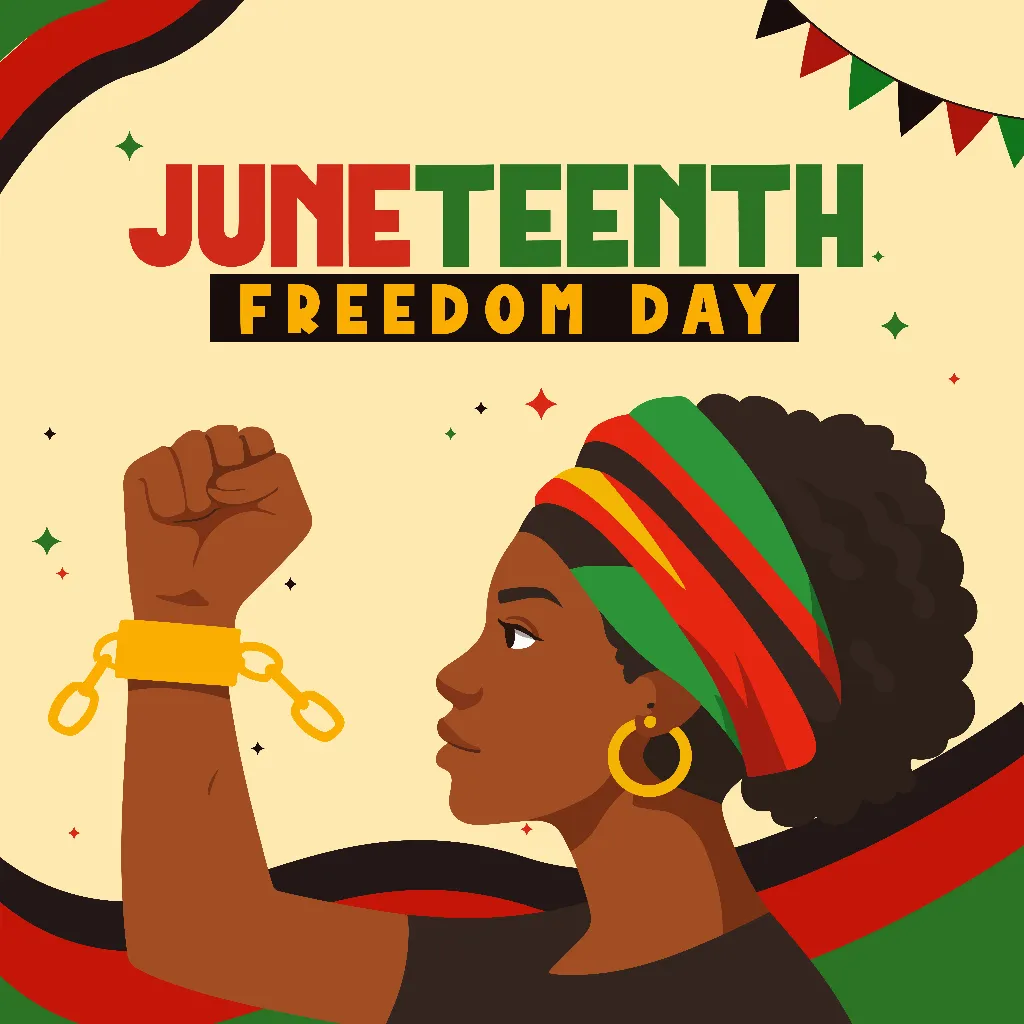
 Juneteenth is a meaningful day to teach about #Juneteenth and #freedom in ways young children can understand. This guide is for child care providers and directors who want simple, respectful, and joyful classroom ideas. You will find easy explanations, hands-on #crafts, read-aloud suggestions for #books, and tips to include families and honor your #community.
What is a simple, age-appropriate way to explain Juneteenth and why does it matter?
Young children learn by stories, songs, and play. A short, hopeful explanation helps them understand big ideas like freedom and fairness without heavy details. Try a few simple lines: "Juneteenth is a day we celebrate freedom," "We remember people who worked for fairness," and "We celebrate by singing, reading, and making art together." These ideas promote kindness and belonging—key goals for early childhood settings.
- Belonging: When children see history and culture respected, they feel safe and seen. This strengthens relationships with families and supports social-emotional growth. See classroom ideas at ChildCareEd’s Juneteenth celebration post.
- Values: Juneteenth teaches fairness and resilience in child-friendly language. Keep messages short and positive.
- Community ties: Celebrations build class identity and trust with families; this helps children learn together.
Keep explanations calm, brief, and hopeful. If a child asks a harder question, answer gently: "A long time ago some people were not treated fairly. Juneteenth reminds us freedom and being kind matter." For more background and activity ideas, use the ready resources at ChildCareEd’s history and activities.
What hands-on crafts and activities help children understand Juneteenth?
Hands-on projects make big ideas feel real. Choose short activities (15–30 minutes) that focus on celebration, community, and hope. Use safe materials and clear directions. For a full activity pack, check ChildCareEd’s Juneteenth Activity Ideas Buy Now $0.00.
- Class Freedom Quilt (group project):
- Each child decorates a paper square about family, friends, or a kindness promise.
- Join squares into a large classroom quilt to display pride and belonging.
- Red-Color Collage (symbolic colors):
- Use torn paper, fabric scraps, and stickers in red, white, and blue for a joyful mural.
- Joy Portraits:
- 🎨 Children draw a celebration scene (music, food, hugs). Add a short caption with their words.
- Freedom Flags:
- 🥁 Make small flags on popsicle sticks. Use stamps or stickers to show what freedom means to each child.
- Timeline Story Walk (short):
- 📚 Place 3 simple pictures down the hall: "Long ago," "News arrived," "People celebrated." Use a two-sentence script at each stop to keep it age-appropriate.
Quick setup tips:
- Prep materials in trays for easy distribution.
- Show one quick example, then let children create freely.
- Label the work with children’s own words to honor their voices.
Find ready craft lists and printable ideas at ChildCareEd’s Juneteenth Crafts and Stories. These hands-on activities build skills, language, and pride while keeping celebrations developmentally appropriate.
Which books, songs, and read-aloud routines work best for preschoolers?
Books and songs are powerful tools for teaching feelings and community. Keep read-alouds short (10–15 minutes) and use pictures to guide discussion. Use one or two simple questions like "How do you think the character felt?" and "What kind thing did someone do?"
- Choose books with hopeful themes and diverse characters. For ready lists, see ChildCareEd’s book suggestions and external lists like Here Wee Read’s diverse book list or curated picks at Bookworm for Kids.
- Song ideas:
- 🎵 Call-and-response chants about freedom (teacher says a line; children repeat).
- 🥁 Marching rhythm: rhythm sticks or soft drums with simple beats.
- Read-aloud routine (10–15 minutes):
- Introduce one sentence: "Today we read about people who celebrated freedom."
- Read slowly, show pictures, and pause for one brief question.
- Follow-up 5–10 minutes: draw a feeling or make a short class poster about fairness.
Pair books with a craft or song to make ideas stick. For more classroom-ready activities and book pairings, use ChildCareEd’s activity resource Buy Now $0.00.
How can we invite families and avoid common mistakes when planning Juneteenth events?
Family partnership makes Juneteenth meaningful and respectful. Before planning, ask families how they want to be involved and what they would like staff to know. Keep events short, welcoming, and optional. Always check your program rules and licensing—state requirements vary - check your state licensing agency—especially for food and visitors.
- Simple family invitations:
- 📨 Send a short note: "We will have stories, songs, and crafts to mark Juneteenth. Would you like to share a song, book, or photo?"
- 📚 Invite a family reader (optional) to share a story in their home language.
- Common mistakes and how to avoid them:
- ⚠️ Mistake: Treating Juneteenth as a party without context. Fix: Include a simple explanation about freedom and fairness.
- ⚠️ Mistake: Assuming all families celebrate. Fix: Ask first and offer inclusive options.
- ⚠️ Mistake: Overloading children with details. Fix: Keep messages brief and hopeful.
- Staff training and support:
- 🧑🏫 Offer short staff prep: read scripts, practice read-alouds, and review culturally responsive ideas. Helpful courses include Strength in Differences
 Buy Now $24.00 and related ChildCareEd trainings.
- 🧑🏫 Offer short staff prep: read scripts, practice read-alouds, and review culturally responsive ideas. Helpful courses include Strength in Differences
FAQ (quick):
- Can preschoolers learn about Juneteenth? Yes—use stories, songs, and art focused on freedom and fairness.
- Should families bring food? Only if your policies and licensing allow it; always plan for allergies and follow state rules.
- How long should activities be? Keep them short—10–30 minutes depending on age.
- Where to get ready-made plans? See ChildCareEd’s activity pack Buy Now $0.00.
Conclusion
Juneteenth can be taught in child care with joy, respect, and age-appropriate simplicity. Use short scripts about freedom, mix read-alouds with hands-on #crafts and music, and invite families in ways that honor their wishes. Small, clear choices help children learn values like fairness, resilience, and belonging.
For ready-to-use plans, book lists, and staff training, ChildCareEd has helpful resources like how-to guides, craft collections, and activity packs Buy Now $0.00. Thank you for creating thoughtful celebrations that help children feel seen and strong in their #community. Happy planning for your #kids and their classroom learning!
- 45 Hour Preschool Methods and Materials
- Moving About the Classroom: Effective Transitions for Everyday
- Birth to Five CDA Credential with Portfolio Review
- 45 Hour Infant and Toddler Methods and Materials
- 45-Hour Infant and Toddler Curriculum
- Texas Teacher 24 hours Annual Renewal 2nd Year
- Texas Director Credential
- Wellness in Action: Teaching Healthy Habits to Children
- Meaningful Lesson Planning for Infants/Toddlers
- Labor Day Activities
- Juneteenth History and Activities
- Celebrate Juneteenth in Baltimore
- CDA Certification en Español: Recursos y Consejos para Educadores Bilingües
- ¿Cuáles son las mejores actividades del Día de la Tierra para niños en casa o en el aula?
- ¿Cómo puedo usar escenarios de juego de roles de primeros auxilios en mi aula?
- ¿Cómo puedo enseñar habilidades de primeros auxilios con escenarios de juego de roles?
- ¿Cómo afecta la dopamina a los niños: señales, efectos e influencias diarias?
- Actividades de Motricidad Gruesa que Desarrollan el Equilibrio, la Coordinación y la Fuerza
- Actividades de Fiesta para Niños de Preescolar y Primaria
- Actividades de Otoño Fáciles para Preescolares esta Temporada
- Teaching Kids About Juneteenth Through Activities and Crafts
- Juneteenth Activities for Kids: Crafts, Books, and Learning Ideas
- Calabazas, hojas y manzanas: actividades de otoño para preescolares
- Canciones, juegos y preguntas de círculo para niños
- Easy Pool Noodle Sea Creatures for Ocean Theme Activities
- How can child care programs honor Juneteenth in age-appropriate, respectful ways?
- How Can Child Care Programs Celebrate Juneteenth Through Respectful, Child-Centered Art?
- How Can Juneteenth Symbols Build Visual Memory in Young Children?
- How Can Meaningful Juneteenth Vocabulary Support Early Writers?
