Introduction: Why does this matter for our classrooms?
Strong connections between adults and kids make classrooms calmer, kinder, and better places to learn. When #teachers build trust with #children, those kids feel safe, try new things, and behave better. This helps the whole program: fewer big meltdowns, happier families, and staff who feel supported. For ideas and training that match this work, see Building Strong Bonds and trauma-aware tips at Trauma-Informed Care in Childcare Settings.
Why it matters:
- Secure relationships help children learn social skills and manage feelings (see CSEFEL on relationship building).
- Positive teacher-child ties reduce challenging behavior and make routines easier (CSEFEL What Works Brief).
State requirements vary - check your state licensing agency. Below are clear, practical questions and answers to help you strengthen bonds with the children in your care.
1. What simple habits build trust every day?
Small, consistent actions matter most. Try these steps each day to make deposits in a child's “relationship piggy bank” (the idea explained in CSEFEL materials):
- 😊 Greet each child by name at drop-off. A warm hello sets a friendly tone and helps children feel remembered. See family connection ideas at ChildCareEd: Build Strong Relationships with Families.
- 👋 Get down to their level. Face-to-face talk shows you are listening and helps children feel seen.
- 🙂 Use calm, friendly language. Short, specific praise like “Thanks for sharing the blocks” teaches skills and builds trust.
- 🤝 Follow the child’s lead in play for short times. Letting a child show you their ideas says, “I value you.”
- ✨ Make quiet moments count. Read, sing, or offer a quick hug (when families and the child are comfortable) to show warmth; see ideas on warmth and affection at CSEFEL What Works Brief: Warmth and Affection.
These habits are easy to practice and help you make many small positive interactions each day.
2. How do we support children’s emotions and behavior through relationships? 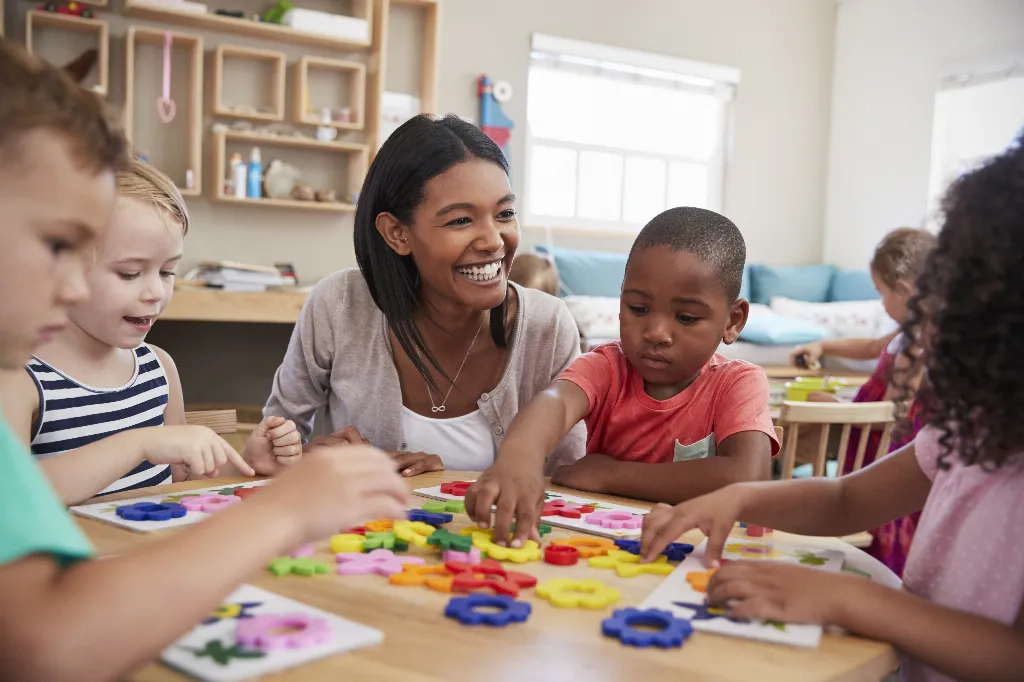
Kids behave better when they feel safe and understood. Use these practical steps to support emotional growth and smoother days:
- 🧠 Teach feelings words. Use emotion charts or read books about feelings (see SEL tips at ChildCareEd SEL).
- 🫂 Comfort and name feelings when children are upset: “You seem sad. I can sit with you.” This helps children learn to calm down.
- 🔁 Use predictable #routines. Clear schedules reduce worry and let children focus on learning; for more, see Environment Rating Scales.
- 🏆 Praise specific steps: “You waited your turn — great choice!” Specific praise builds skills faster than general praise.
- 📋 Use planned, consistent guidance. Relationship-building first makes behavior plans work better; CSEFEL emphasizes doing the relationship work before tough interventions (CSEFEL).
When children feel connected, they trust adults and try new ways to handle big emotions. This lowers stress for both kids and staff, and it supports social learning over time.
3. How can we include families and make partnerships stronger?
Families are experts on their children. Strong partnerships make relationships with children even stronger. Try these ideas:
- 📞 Share quick daily notes. A short message about play, naps, or a special moment keeps trust strong. ChildCareEd suggests using specific, positive details in family messages (see article).
- 👪 Invite family stories and cultural traditions into the classroom. This shows respect and helps children feel proud.
- 📝 Hold brief, solution-focused conferences. Come with observations and ideas, and listen to family goals. Training on conferences is available at ChildCareEd trainings Buy Now $35.00.
- 🎉 Share wins. Tell families what their child did well — this builds teamwork and positivity.
Good family partnerships help children feel safe at home and school. State requirements vary - check your state licensing agency before changing policies.
4. What common mistakes should we avoid and how do we fix them?
Even caring adults make mistakes. Here are common pitfalls and how to avoid them:
- ⏰ Skipping daily rituals when you’re busy. Routines help children feel safe. Fix: Keep short, consistent rituals like greetings or a goodbye rhythm (Daily Rituals).
- 🙅♀️ Avoiding hard conversations with families. Fix: Prepare notes, stay solution-focused, and invite family input. Training on respectful conferencing can help (ChildCareEd).
Conclusion: Quick checklist and FAQs 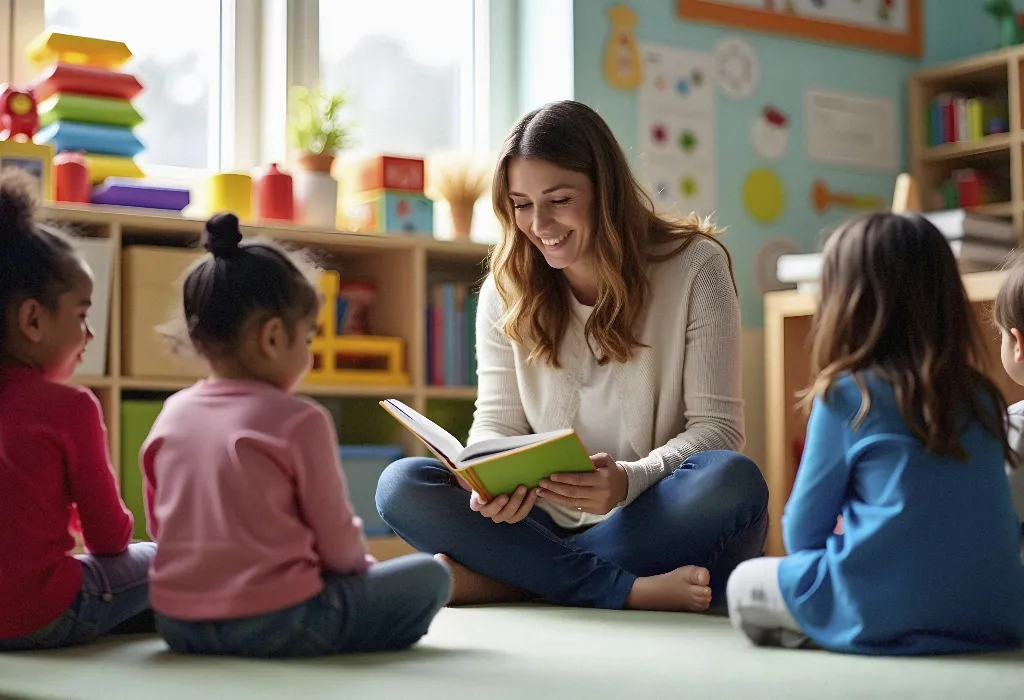
Use this short checklist each day to grow stronger connections:
- 👋 Greet kids and families warmly each day.
- 🔍 Make at least one one-to-one connection with each child daily.
- 📣 Give specific praise 4–6 times for each correction.
- 🧭 Keep simple, predictable #routines and a calm tone.
- 🤝 Share a positive note with families each week.
FAQ (short):
- Q: How long does it take to build trust? A: Small daily deposits add up quickly — weeks to months depend on the child’s history.
- Q: What if a child won’t engage? A: Try brief, low-pressure interactions and ask families about favorite interests.
- Q: Where can staff get more training? A: ChildCareEd course options include social learning and respectful conferencing (ChildCareEd courses).
Building strong teacher-child bonds is steady, daily work. Celebrate small successes, ask families for help, and use research-based ideas to guide you. Your consistent kindness matters more than perfection.
- Bienvenido! Welcoming All Families
- Birth to Five CDA Credential with Portfolio Review
- Our School Age Family Tree: Children, Staff, & Parents
- Pediatric RSV First Aid & CPR/AED
- Emergent Learning & Development
- Creating Environments that Nurture Growth and Community
- Connections That Count: Building Relationships in Child Care
- Texas Director Credential
- Families, Communities, and Classrooms: Working Together for Children
- Let’s Talk: Effective Communication
- Supporting Social Relationships Among Young Children
- 👶 ¿Cuáles son las proporciones y grupos requeridos en Dakota del Norte? 🏫
- Women’s History Month in Childcare: Activities, Books, and Circle Time
- Curso de Comunicación de 9 Horas de Maryland
- How can we build strong teacher-child relationships?
- How can we build strong teacher-child relationships?
- The First Weeks of Child Care: Building Trust with Children
- How can we build strong teacher–child relationships?
- How can California early childhood classrooms build strong parent partnerships?
- How Can I Build Professional Relationships With Families?
- How can we build professional relationships with families?
- How can childcare providers build positive relationships with families?
- How Do We Create Safe and Supportive Learning Environments?
- How can Florida educators build strong foundations for infants, toddlers and K–3 readiness together?
- How can child care programs build strong relationships with licensing and community agencies?
- How Can New Teachers Build Confidence in the Classroom?
- Why Do Children Behave Differently With Different Teachers?
- How Can Child Care Providers Respond When a Child Publicly Names a Favorite Teacher?
- How Can You Onboard Experienced Teachers Without Starting from Scratch?
