Keeping kids safe and well in child care is the top job for every director and teacher. This article gives easy, practical steps you can use today to protect #children, promote #health, and build strong #safety and #hygiene habits while working with #families. We link to helpful guides and trainings so staff can learn more. Remember: state requirements vary - check your state licensing agency.
Why it matters:
1) Healthy children miss fewer days and learn more. 2) A clear plan lowers stress for staff and families. 3) Good routines stop germs and reduce injuries. For practical classroom tips see How to Create a Safe and Healthy Child Care Environment and training options at Health and Safety Training Resources Buy Now $0.00.
1) How do we stop germs and keep the room clean?
- 🧼 Wash hands often: teach kids to wash for 20 seconds before meals, after diapering, after outside play, and after sneezes. For details see Infection Control Practices for Child Care Settings and CDC cleaning tips at How To Clean and Disinfect Early Care and Education Settings.
- ✨ Clean, then sanitize or disinfect: 1) Clean visible dirt with soap and water. 2) Sanitize feeding items and mouthed toys often. 3) Disinfect diaper areas and bathrooms when needed. The CDC explains when to clean vs. sanitize vs. disinfect.
- 🧸 Use a "mouthed toy" bin: put toys that went in a child’s mouth into a separate bin, wash and sanitize them before reuse. ChildCareEd describes this in its infection control guidance.
- 💨 Care for air and space: open windows when safe, take activities outside when possible, and space children during meals to lower spread of germs.
Quick action steps for this week:
- 1. Post a handwashing poster and practice with staff.
- 2. Start a mouthed-toy bin and add it to your cleaning schedule.
- 3. Use the ChildCareEd course Prevention and Control of Infectious Diseases
 Buy Now $16.00 for staff refreshers.
2) What policies and training help staff respond to illness and emergencies?
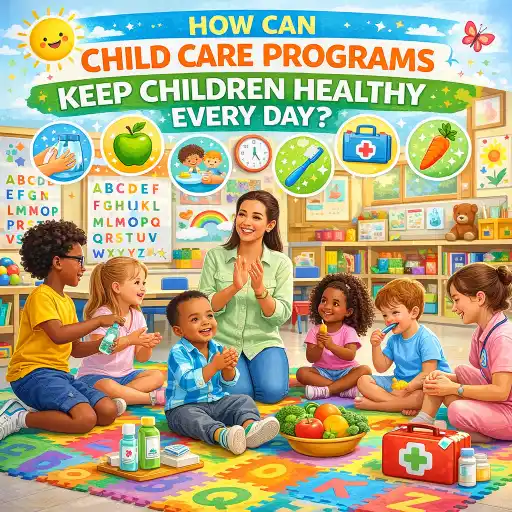
Clear written rules make quick choices easy. Train staff so they act the same way every time.
- 📋 Make simple policies: include a one-paragraph illness rule, a sick-child list, return rules (for example, fever-free 24 hours without fever medicine), and medication steps. See the ChildCareEd guide What should an illness policy for child care include?.
- 👩🏫 Train staff: require pediatric first aid, CPR, and infection control. ChildCareEd lists many courses in Health and Safety Training Resources Buy Now $0.00.
- 📣 Communicate with families: give a one-page handout at enrollment, post sick rules by the door, and send quick messages when policies change.
- 🧯 Practice drills: run fire drills, lockdowns, and a plan for a child who becomes very ill. Keep a stocked first-aid kit and updated emergency contact lists.
When an outbreak or cluster happens, contact your local health department and follow their advice. For recordkeeping and daily checks, see How do I do daily health checks in child care?. And again: state requirements vary - check your state licensing agency.
3) How do we protect infants and children with allergies or chronic needs?
- 🛏️ Safe sleep for infants: put babies on their backs on a firm crib with only a fitted sheet. No blankets, pillows, or toys. ChildCareEd covers safe sleep in its health and safety articles. For strategies to keep children's sleep routines consistent during holidays and celebrations, see tips for helping children maintain sleep and rest during celebrations.
- 🍽️ Food and allergy plans:
- 1. At enrollment, collect allergens, reaction history, and a doctor-signed action plan.
- 2. No food sharing, label safe meals, and store allergy foods separately.
- 3. Train staff on epinephrine use and emergency steps. See How can early childhood programs prevent and respond to allergies?.
- 💊 Medicine and care plans: keep meds locked, labeled, and with signed permission. Use a single staff member to check meds each day so mistakes are less likely.
- 🌬️ Asthma and chronic care: know triggers, have an action plan for each child, and practice how to respond. ChildCareEd training on asthma and allergy management is a good resource.
Practice these steps often and update plans yearly. Some programs can keep undesignated epinephrine — check your state rules and local health guidance.
4) How can we partner with families and support children's emotional health?
Families matter. Work with them to keep food, medicine, and emotional supports consistent between home and care.
- 📣 Communicate clearly:
- 1. Send a one-line note at enrollment about health rules and who to call.
- 2. Share menus, field trip plans, and allergy updates early.
- 🤝 Build trust: listen to family needs, honor culture and food choices, and translate materials when possible.
- 😊 Support mental health every day:
- 1. Add morning greetings and consistent routines.
- 2. Teach one calm-down tool like deep breaths and practice it daily.
- 3. Use a calm corner to teach self-regulation (not for punishment).
- 🔁 Track and follow up: keep simple notes on health checks and share them with families when needed. For templates and checklists see ChildCareEd free resources.
Common mistakes and how to avoid them:
- ❌ Not training staff often — Fix: schedule short refreshers each quarter using ChildCareEd courses.
- ❌ Vague illness notes — Fix: write date, time, facts, and action taken.
- ❌ Forgetting to check labels — Fix: assign one person to check food labels before each snack.
FAQ (short):
- Q: When should a child stay home? A: With fever, vomiting, or diarrhea; follow your written sick rules. See illness policy guidance.
- Q: Who can give epinephrine? A: It depends on state law and your program policy; train designated staff and follow local rules.
- Q: How long keep records? A: Follow your state licensing rule; many keep health records for several years.
Conclusion
Keeping children healthy is a team job. Use simple routines (handwashing, cleaning, clear policies), train staff, and work with families. Small daily steps lead to big results: fewer sick days, calmer classrooms, and more learning. Start with 1) a handwashing routine, 2) an illness policy to share with families, 3) a mouthed-toy bin and cleaning schedule, and 4) a plan for allergies and safe sleep. For more tools and training, visit ChildCareEd articles and courses listed above. state requirements vary - check your state licensing agency.
Stopping germs is simple when you make habits for the day. Use short lists and practice with staff and children.Infants and children with asthma, allergies, or other chronic conditions need special care. Simple, written steps keep them safe and included.- Safe and Sound: Creating Healthy Environments for Every Child
- How To Keep A Healthy Class for Infants/Toddlers
- How To Keep A Healthy Class: Six Tips for Germ Control
- Professional Presence in Early Childhood
- Easy Steps to Resume and Interview Success
- Bienvenido! Welcoming All Families
- Pediatric RSV First Aid & CPR/AED
- Creating Safe & Healthy Child Care Environments
- Texas Director Credential
- Everyday Safety: Creating Healthy Environments
- National Eat Your Vegetables Day June 17
- Ohio Healthy Programs (OHP)
- CDA Certification en Español: Recursos y Consejos para Educadores Bilingües
- What Must Maryland Child Care Providers Know to Keep Children Safe?
- Recursos en Español sobre el Sueño Seguro del Bebé
- ¿Cuáles son las mejores actividades del Día de la Tierra para niños en casa o en el aula?
- Normas de Licenciamiento de Cuidado Infantil en Virginia para Centros Diurnos Infantiles y Hogares Diurnos Familiares
- How can childcare centers protect health, hygiene, and safety every day?
- How can child care programs keep children healthy every day?
- How Can We Create a Healthy Childcare Environment?
- How can child care programs promote nutrition and healthy eating habits?
- How can Minnesota childcare programs build a strong team culture?
- How Can Early Childhood Programs Encourage Healthy Habits?
- Celebrando la amistad en el cuidado infantil durante el Día de los Mejores Amigos
- Canciones, juegos y preguntas de círculo para niños
- What Does Texas’ Summit Tell Us About Caring for the Whole Child?
- How can child care programs meet licensing and compliance requirements?
- How can you turn summer days into learning moments at your Minnesota program?
- Food Program for Childcare Providers: Are You Missing Out on Meal Reimbursement?
- How Can Child Care Providers Build Healthy Habits for Young Children?
