Parents trust child care providers with their most precious gifts: their children.
Whether you run a #home daycare or a large center, your number one job is to keep those children safe and #healthy. A safe environment allows children to explore, #play, and #learn without getting hurt. A healthy environment stops germs from spreading and keeps everyone feeling good.
Creating this kind of space might seem like a lot of work, but if you break it down into small steps, it becomes easy. This guide will help you build a safe and happy place for children to grow.
1. Childproofing: Seeing the World from Their Eyes
Children are curious. They want to touch, taste, and climb everything. To keep them safe, you have to look at your room the way a child sees it. Get down on your hands and knees and look around. What looks interesting? What could be dangerous? 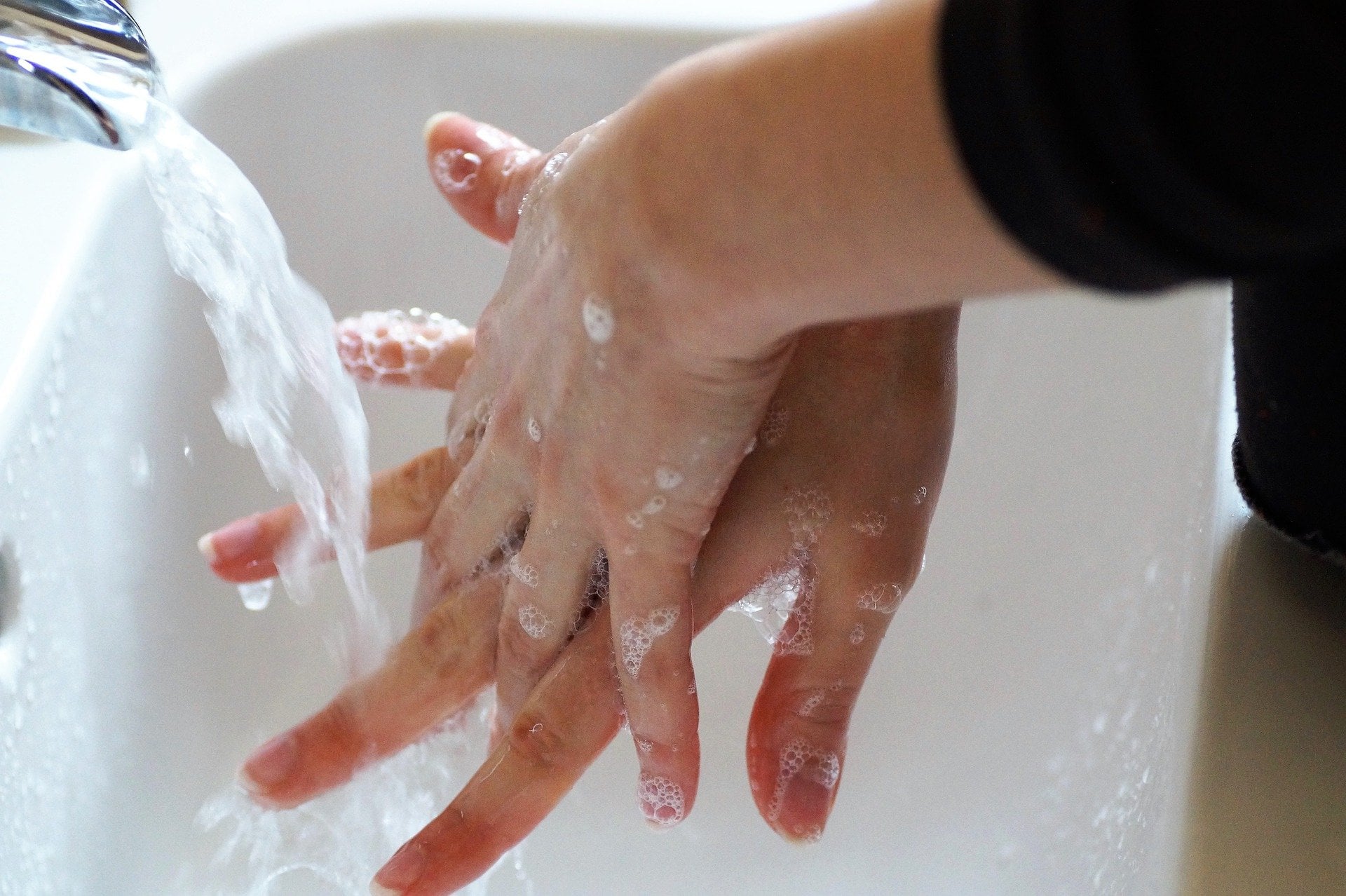
- Cover Electrical Outlets: Little fingers love small holes. Use #safety covers on every outlet.
- Lock Chemicals Away: Cleaning sprays, medicines, and insect killers must be in a locked cabinet high up where children cannot reach.
- Secure Furniture: Bookshelves and dressers can tip over if a child climbs on them. Anchor them to the wall.
- Check Toys: Throw away broken toys with sharp edges. Make sure small toys that can cause choking are only for older children, not babies.
2. Fighting Germs with Hygiene
In child care, germs can spread fast. One sick child can lead to many sick families! The best way to fight germs is by keeping things clean.
Handwashing is Key
Washing hands is the superhero of health. You and the children should wash hands many times a day:
- When you arrive.
- Before eating.
- After using the bathroom or changing a diaper.
- After playing outside.
Make it fun! Sing a 20-second song like "Happy Birthday" while you scrub with soap and water.
Daily Cleaning
Toys and tables get touched all day long. You should have a schedule for cleaning.
- Sanitize Tables: Clean them #before-and-after every meal.
- Wash Toys: Plastic toys should be washed often. Soft toys (like teddy bears) should be washed in a machine weekly.
- Clean Doorknobs: Don't forget the things we touch but don't look at, like light switches and door handles.
3. Active Supervision: Watch, Listen, and Engage
Safety is not just about locks and gates. It is about you. The best safety tool in the classroom is an alert teacher. This is called "Active Supervision."
Active supervision means you are always focused on the children. You are not on your phone or chatting with another teacher. You are moving around the room, counting the children, and listening to their play.
- Position Yourself: Stand where you can see the whole room. Never turn your back to the children.
- Scan and Count: Look around and count the heads every few minutes.
- Listen: Sometimes you can hear trouble before you see it. Listen for crying, silence (which can be suspicious!), or angry voices.
To learn more about how to supervise effectively, ChildCareEd offers a fantastic course called Preventative Health and Safety. This course teaches you exactly how to spot dangers before they happen.
4. Safe Sleep for Infants
If you care for babies, safe #sleep is one of the most important rules. Babies cannot protect themselves while they sleep.
- Back to Sleep: Always lay a baby on their back.
- Empty Crib: The crib should have nothing in it but a firm mattress and a fitted sheet. No blankets, no pillows, and no stuffed animals. These things can stop a baby from breathing.
- Temperature: Keep the room cool. If a baby gets too hot, it can be dangerous.
For a deep dive into these rules, you should check out the Basic Health & Safety and Breastfeeding Awareness Buy Now $35.00 course. It covers federal requirements and ensures you are up to date on the latest safety standards.
5. Emergency Preparedness
We hope emergencies never happen, but we must be ready if they do. What will you do if there is a fire? What if a child eats something they are allergic to?
- First Aid Kit: Keep a fully stocked First Aid kit in your room and one to take outside. It should have bandages, gloves, and #emergency numbers.
- Drills: Practice fire drills and lockdown drills. Make it a game so the children do not get scared. "Let's see how fast and quiet we can be lining up at the door!"
- Allergy Lists: Know which children have allergies. Post a list (protecting their privacy) where staff can see it so no mistakes are made with food.

6. Healthy Eating and Physical Activity
A healthy environment also means healthy bodies.
- Nutritious Meals: Serve fruits, vegetables, and whole grains. Avoid sugary drinks.
- Move Your Body: Children need to run, jump, and dance. Plan time every day for active play, both inside and outside. Fresh air helps kill germs and makes children happier.
Conclusion
Creating a safe and healthy environment is a big responsibility, but it is the foundation of quality child care. When parents see that you care about safety, they trust you. When children feel safe, they are free to learn and make friends.
By following these simple steps—childproofing, cleaning, supervising, and preparing—you are building a space where children can thrive.
Resources to Help You
- Training Course: For a comprehensive guide on safety, enroll in Preventative Health and Safety
 Buy Now $24.00.
 - Helpful Article: Read more tips in our article Creating a Safe Environment for Children in Childcare Centers.
- Free Resource: Download our First Aid Kit Checklist Buy Now $0.00 to make sure you are ready for any minor injury.
Follow Us for Daily Tips!
Stay up to date with the best child care advice and activity ideas by joining our community online:
- 45 Hour Child Growth and Development
- How To Keep A Healthy Class for Infants/Toddlers
- Safe and Sound: Creating Healthy Environments for Every Child
- 1,2,3, Eyes on Me: Classroom Safety
- Pediatric RSV First Aid & CPR/AED
- Texas Director Credential
- 45 hour Growth and Development Birth-age 12 ONLINE
- Everyday Safety: Creating Healthy Environments
- Guidelines for Establishing a Consistent Sleep Routine to Ensure Kids are Well-Rested and Ready for School
- Frosty Fun: Trauma-Informed Play for Resilient Young Learners
- Mental Health for Tiny Elves: Supporting Kids Through Winter Blues
- Daycare Training 101: Building a Safe, Fun, and Educational Environment
- 🩺 Cumplimiento de Salud e Inmunización en Cuidado Infantil de Nevada ✔️
- Menos Estrés a la Hora de Comer: Rutinas Simples Que Sí Funcionan
- ¿Qué Calificaciones Necesitas para Trabajar en Cuidado Infantil?
- Capacitación en Salud y Seguridad Preventiva en Línea para Proveedores de Cuidado Infantil
- Cómo Iniciar el Proceso de Obtención de la Licencia de Cuidado Infantil
- Proporciones de Cuidado Infantil y Tamaños de Grupo por Edad en Virginia (Guía Rápida para Centros y Hogares)
- Capacitación Previa al Servicio para Proveedores de Cuidado Infantil en Nevada
- How to Help Children Feel Safe and Welcome in Child Care
- How Can We Create a Healthy Childcare Environment?
- Canciones, juegos y preguntas de círculo para niños
- How can I create a safe childcare environment for every age group?
- How can child care programs create safe climbing and movement experiences for toddlers?
- Home Daycare Ideas That Make Your Space Feel Safe, Fun, and Professional
- What Makes a Great Home Daycare? 10 Things Parents Notice First
