Outdoor farm visits are a wonderful way to teach young learners about animals, plants, and where food comes from. These trips can be hands-on and simple to run. In this article, you will find clear steps to plan a safe, fun, and learning-focused Georgia farm field trip for your #Georgia program. You will also see ideas for classroom follow-ups and low-cost options to include every #children. Field trips let kids meet real #animals, taste fresh #food, and connect classroom ideas to the world outside.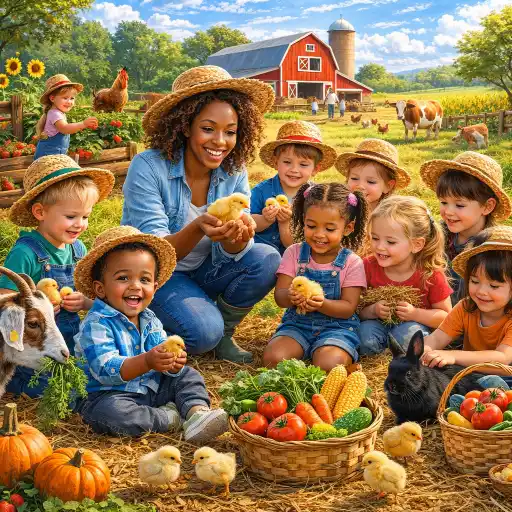
Why it matters:
1. Farm trips build real-life learning: children see how plants grow and how animals are cared for. 2. These visits support vocabulary, social skills, and healthy eating. For more field-trip ideas that match Georgia programs, see Field Trip Ideas in Georgia for Childcare Providers. Remember: state requirements vary - check your state licensing agency.
How do I plan a safe Georgia farm field trip for young children?
- 📋 Contact and check the farm
- 1. Call ahead to ask about group tours, restrooms, and animal contact rules.
- 2. Ask if the farm offers short workshops for young children (many farms and markets have programs). See farm workshop examples like Rohrbach's Farm.
- 📝 Paperwork and permissions
- 1. Send permission slips and allergy/medical forms early.
- 2. Post a simple schedule and share arrival times with families.
- 👥 Staffing and ratios
- 1. Assign staff to small groups and clear roles (headcount, first aid, buddy leader).
- 2. Keep ratios higher than minimum if you can—young children move fast.
- 🚍 Transport and safety checks
- 1. Review transportation safety and seat laws; refresher training is helpful. See ChildCareEd’s planning resources at Best Daycare Field Trip Ideas in Georgia.
- 2. Plan loading/unloading zones and a counting routine at every transition.
- 🎒 Supplies and back-up plans
- 1. Pack first-aid, meds, water, snacks (if allowed), sunscreen, bug spray, and a printed emergency contact list.
- 2. Have an on-site rain or shade plan and a quiet spot for children who get overwhelmed.
For printable checklists and Georgia-focused tips, ChildCareEd offers step-by-step tools and training to help staff plan and practice before the trip. See their Georgia field trip guide for examples and templates.
What will children learn about animals, plants, and food on a farm visit?
- 🐄 Animal care and empathy
- 1. Children learn simple facts: what an animal eats, how farmers care for it, and how to be gentle.
- 2. Use a quick feeling check-in: “How does that animal make you feel?”
- 🌱 Plant life and where food comes from
- 1. Show stages: seed → plant → fruit/vegetable. Simple planting activities help this idea grow at the center.
- 2. U-pick or seed-planting experiences are great; resources for farm lessons are available through local extension pages such as UGA Extension.
- 🍎 Healthy eating and tasting
- 1. Offer tiny taste samples with family permission to teach descriptive words (sweet, tart, crunchy).
- 2. Nutrition education supports food choices; see research on school nutrition and farm-to-school benefits at the CDC Nutrition Education page.
- 🔢 Math and language practice
- 1. Count seeds, sort shapes and sizes, and name colors and textures.
- 2. Children can draw or dictate a short story after the trip to build literacy.
Use simple follow-ups: a class chart of favorite foods, a photo-story board, or a planting project. Many farms offer guided 20–30 minute workshops just for young children where they focus on one idea like strawberries, peaches, or soil health; see examples at Rohrbach's Farm workshops.
What should staff bring, and how do we handle first aid and emergencies?
- 🩹 First-aid kit and medical items
- 1. Basic kit: bandages, antiseptic wipes, gloves, tweezers, and ice packs.
- 2. Child-specific meds: inhalers, EpiPens, and signed medication forms. See a full checklist in ChildCareEd’s first-aid field trip guide at First Aid for Field Trips.
- 📋 Documentation and communication
- 1. Carry permission slips, allergy lists, emergency contacts, and a current attendance sheet.
- 2. Bring a charged phone and a printed map of the farm and meet-up spots.
- 👀 Supervision routines
- 1. Use a buddy system. Assign each staff person to a small group with a clear headcount role.
- 2. Count: before leaving the center, on the bus, at arrival, at departure, and on return.
- 🧭 Emergency plan practice
- 1. Practice “what if” scenarios in a quick staff huddle before the trip.
- 2. Know the route to the nearest clinic and the farm contact’s emergency plan.
Refresher training in transportation and emergency procedures is valuable. ChildCareEd offers guides and trainings that match Georgia rules and best practices—use them to build confidence and meet licensing guidance.
How can I make farm trips low-cost, inclusive, and tied to classroom learning?
Field trips can be simple, low-cost, and meaningful. Try these strategies:
- 🚜 Choose local, short trips
- 1. Visit a nearby farm, community garden, or farmers market to cut travel time and cost.
- 2. Invite a farmer or mobile farm program to visit your site if transport is hard.
- 🍑 Connect to classroom themes
- 1. Use a short book or song before you go (example: a peach story for summer). ChildCareEd shares theme ideas such as peach weeks and food lessons at Peach-Themed Activities.
- 2. After the trip, do a simple activity: draw, graph favorites, or plant seeds to continue learning.
- 🤝 Include families and accessibility
- 1. Offer translated permission notes and optional family volunteer spots.
- 2. Plan accommodations for mobility or medical needs; communicate early with families.
- ⚠️ Common mistakes and how to avoid them
- 1. ❌ Forgetting allergy checks — ✅ Confirm medical forms before the trip.
- 2. ❌ Overpacked schedule — ✅ Keep visits to 1–2 short activities for preschoolers.
- 3. ❌ Weak counting routines — ✅ Assign a staff counter and a second verifier for every transition.
Low-cost follow-ups: small planting projects, dramatic play farmers market, or a class recipe using harvested produce. You can also extend tasting and simple cooking skills with a child-friendly Sweet Georgia Pie recipe adapted for preschoolers, which reinforces measuring, following steps, and sensory language. For classroom printables and farm lesson ideas, see resources like Preschool Farm Lesson Planning Ideas. Use local extension offices (for example, UGA Extension) to find farm partners, teaching kits, and soil or garden support.
Quick FAQ
- Q: How long should a preschool farm visit be? A: Aim for 1–2 hours, including travel. Keep the on-farm part short and focused.
- Q: Can we taste food on the farm? A: Yes, with parent permission and allergy checks.
- Q: What if we can’t travel? A: Invite a farmer to your site or plan a market day dramatic play.
- Q: Where can I get training? A: ChildCareEd has transportation and field-trip safety trainings and checklists on their site.
Conclusion
Georgia farm field trips are rich, sensory, and perfect for teaching where food and animals come from. Plan carefully, pack first-aid and documentation, link the trip to simple classroom activities, and make the visit inclusive. Use local resources like ChildCareEd’s Georgia guide, UGA Extension, and nearby farms to create safe and memorable learning. Your team can make these trips practical and fun—one short visit at a time.
Being prepared helps staff stay calm and focused. Pack and assign these items and roles. Farm trips create many learning moments. Use short pre-visit and post-visit activities so the learning sticks. Use a clear, numbered plan. Keep it short and hands-on. Follow these steps:
- CDA Home Visitor Subject Area 3 Part 3 Birth to 5
- CDA Home Visitor Subject Area 2 Part 3 Birth to 5
- Birth to Five CDA Credential with Portfolio Review
- Key Elements of an After School Program
- Texas Director Credential
- 40-Hour Director's Course
- FCCLH Pre-Service Course
- Enriching Education: Field Trips
- CDA: Stand With Respect and Professionalism
- CDA Certification en Español: Recursos y Consejos para Educadores Bilingües
- 🔍 ¿Qué ves cuando observas a un niño aprender?
- Proporciones de Cuidado Infantil y Tamaños de Grupo por Edad en Nueva Jersey (Guía Rápida para Centros y Hogares)
- Cómo Trabajar en el Cuidado Infantil en Carolina del Norte: Requisitos y Pasos
- Las Mejores Ideas de Excursiones para Guarderías en Dakota del Norte
- Best Daycare Field Trip Ideas in Georgia
- Las Mejores Ideas de Excursiones para Guarderías en Georgia
- Capacitación Previa al Servicio para Proveedores de Cuidado Infantil en Texas
- Best Daycare Field Trip Ideas in Maryland
- Best Daycare Field Trip Ideas in Virginia
- How can we bring a farmers market and fresh fruit activities to preschoolers in California?
- How can Texas childcare providers use wildlife and outdoor discovery to teach young children?
- How can Georgia farm field trips teach young children about animals and food?
- Which Oklahoma Farms and Ranches Offer Preschool Field Trips That Teach About Animals and Community?
- Summer Field Trips for Daycares in Georgia
- Summer Field Trips for Daycares in Nevada
- Celebrando la amistad en el cuidado infantil durante el Día de los Mejores Amigos
- Canciones, juegos y preguntas de círculo para niños
- In-House Field Trips for Kids: Fun Ideas for Daycare
- How Can Farm-to-Table Experiences Teach Toddlers Where Food Comes From?
