Outdoor time is a big part of healthy early learning. This article helps Washington child care directors and teachers plan safe, fun, and learning-rich outdoor time in daycare. You will find simple steps, links to trusted tools, and quick lists you can use today. Why it matters: Outdoor play helps kids grow strong, learn words, and practice being with friends. It also lowers stress for children and staff. For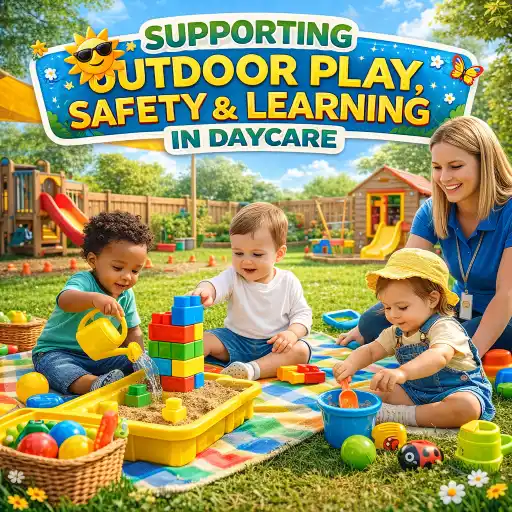 programs in Washington, new state rules make it easier to offer nature-based programs — but state requirements vary - check your state licensing agency.
Quick tags you will see in this article: #outdoor #play #safety #children #Washington
1) What Washington rules and local resources should we use?
Washington leads the nation with a law that lets programs be licensed for outdoor, nature-based child care. Read about the law and what it means at the news story from NBC Right Now. The Washington Nature Preschool Association offers question-and-answer webinars and helpful tips for teachers at WaNPA Outdoor Care & Learning.
Useful steps for programs in Washington:
- 📌 Learn the licensing path: review the state pilot and guidance on outdoor preschool licensing found at WaNPA Licensing and state DCYF updates in the NBC article above.
- 📋 Check local rules and zoning that affect child care facilities (some city codes describe how child care fits into neighborhoods). See local code examples referenced in city codes when planning site changes.
- 🔗 Use proven standards: match your policies to national guidance like Caring for Our Children.
Where to learn more (Washington-focused and classroom tools):
- WaNPA webinars and resources: Outdoor Care & Learning.
- Washington licensing overview and pilot info: Outdoor Preschool Licensing and the news piece: Washington licensed outdoor child care.
- ChildCareEd courses that help staff plan outdoor classrooms: Creating the Natural Outdoor Classroom
 Buy Now $16.00 and CDA: Creating the Outdoor Classroom Buy Now $16.00.
Tip: Make a one-page checklist of local rules, your program rules, and the DCYF contact for licensing questions and post it where staff sign in.
2) How can we keep outdoor play safe every day?
Safety is simple when you use a routine. Start with a short hazard scan, a weather check, and active supervision. National guidance from the CDC explains sun, heat, bugs, water, and playground safety. ChildCareEd offers a helpful guide called "Child Care Weather Watch" that shows a quick traffic-light plan for weather decisions at Child Care Weather Watch Guidelines. For playground checks and repairs, see the ChildCareEd playground checklist at The Ultimate Playground Safety Checklist.
Use this short daily routine (numbered so it’s easy to train):
- 🔎 Do a 1–3 minute hazard scan of the play area: glass, animal waste, standing water, sharp objects, or poisonous plants. See the hazard map resource at Creating Safe Outdoor Play Environments.
- 🌤️ Do a weather and air-quality check (heat index, storms, smoke). Follow the traffic-light rules from ChildCareEd: go, shorten, or stay inside.
- 👀 Assign zones and active supervision: staff should move, scan, and talk with children rather than sitting passively.
- ⛑️ Check gear and first aid: sunscreen with permission, insect repellent if allowed, and a stocked first-aid kit.
- 🧯 Keep water and shade ready; have a clear move-in routine for thunder or lightning.
Common mistakes and how to avoid them:
- ❌ Skipping checks. ✅ Fix: make the scan part of the sign-in routine.
- ❌ Letting adults guess thresholds (heat, AQI). ✅ Fix: post simple numbers and the traffic-light plan.
- ❌ Overprotecting children so they never try small challenges. ✅ Fix: allow low, supervised risk (climbing a low log) to build skills. Evidence on benefits of risky play is reviewed in studies like the systematic review by Brussoni et al. (Risky Outdoor Play and Health).
Keep records of daily checks and incidents. That helps licensing and shows families you are careful and thoughtful.
3) How do we design outdoor learning that supports children's development?
Outdoors is a powerful classroom. Nature helps kids grow muscles, language, thinking, and social skills. The CDC and ChildCareEd list many benefits of outdoor time; see CDC Outdoor Play and Safety and ChildCareEd: The Importance of Outdoor Play.
Design steps (easy and numbered):
- 🌳 Use natural materials: logs, rocks, sand, water, loose parts. These invite open play and creativity.
- 🔁 Rotate materials: change a bin each week to keep children curious and focused.
- ✍️ Link to learning goals: pick one vocabulary word, one counting moment, or one social goal while outside.
- 🧭 Offer choice and challenge: set up areas for building, digging, water play, and quiet nature observation.
- 📚 Add simple invitations: signs or trays that invite a child to count seeds, sort leaves, or tell a story.
Easy activity ideas that match learning goals:
- 🔎 Nature scavenger hunt (observation + vocabulary).
- 🌱 Mini gardening (science + responsibility).
- 🏃 Obstacle course (gross motor + listening).
- ✋ Sensory stations (fine motor + language).
- 🖼️ Story stones or nature art (expressive language + creativity).
Training and courses that help staff create lessons outdoors include Creating the Natural Outdoor Classroom Buy Now $16.00 and the CDA course at CDA: Creating the Outdoor Classroom Buy Now $16.00. These resources have simple plans you can use right away.
4) How can programs train staff and work with families to make outdoor play a routine?
Teams that plan together make outdoor play happen every day. Use brief training, clear communication, and helpful family notes. WaNPA shares great tips about gear, family partnerships, and lending extra gear to families in their Outdoor Care & Learning webinar series. For programs looking for a practical staff-training curriculum and sample policies to support safe, consistent outdoor routines, see Daycare Training 101: Building a Safe, Fun, and Educational Environment.
Steps to train staff and involve families (numbered and practical):
- 🧑🏫 Short staff training (15–30 minutes): practice the hazard scan, the move-in drill for thunder, and how to set up two learning invitations before each outdoor block.
- 📌 Post routines and checklists where staff sign in: weather chart, zone map, and daily hazard log. Use the ChildCareEd weather chart ideas at Child Care Weather Watch Guidelines.
- 📣 Communicate with families: share what to pack, how you handle sunscreen and repellent, and invite families to a nature day. WaNPA suggests asking families what gear they need and sharing sales or loaner gear.
- 🤝 Build partnerships: create a gear library, set a clothing list, and offer small workshops on layering and boots for wet seasons.
- ✅ Track progress: take a weekly photo and note one learning moment to share with families.
FAQ (short):
- Q: Who decides if we go out? A: The director or an assigned staff person follows the posted weather and safety chart.
- Q: What about children with special needs? A: Plan individualized supports and check with families and health plans so outdoor time is safe and inclusive.
- Q: What if we have limited outdoor space? A: Use zones, vertical play, and take short neighborhood walks when allowed.
- Q: How do we handle gear for families who need help? A: Create a gear library or lend items; WaNPA examples show how programs share and lend gear in their communities.
Training tip: run monthly refreshers and short practice drills. Small, repeated practice builds staff confidence.
Note: state requirements vary - check your state licensing agency for ratio, fencing, and equipment rules.
Conclusion
Outdoor learning can be safe, simple, and powerful. To start or to improve your program, follow these 5 steps:
- 📚 Learn your state rules and local resources (WaNPA and DCYF updates).
- 🔍 Use a daily hazard scan and weather chart (CDC and ChildCareEd guides).
- 🌿 Design learning invitations that match your goals (natural materials and rotation).
- 👩🏫 Train staff with short drills and post clear routines.
- 🤝 Work with families on gear and share simple updates and photos.
Thank you for caring for children outdoors. Small routines make big differences. Share this article with your team and pick one change this week: do the daily hazard scan, or try one new outdoor learning invitation. Your work helps children grow healthy, curious, and strong.
- Creating the Natural Outdoor Classroom
- Balancing Physically Active Play in Child Care
- 45 Hour Preschool Methods and Materials
- 1,2,3, Eyes on Me: Classroom Safety
- Healthy Starts: Safety, Nutrition, and Wellness in Child Care
- Texas Director Credential
- Balancing Active Play in Child Care
- Family Child Care: Building, Premises, and Outdoor Safety
- Mindful Supervision: Balancing Safety & Independence in Montessori
- Early Childhood Education in Washington
- ChildCareEd: Empowering Early Childhood Educators with Quality Training
- CDA Certification en Español: Recursos y Consejos para Educadores Bilingües
- Consejos de Supervisión Activa para Salones de Preescolar y el Juego al Aire Libre
- What Do New Daycare Providers in Washington Need to Know to Build a Strong Child Care Program?
- How can Washington early childhood educators support outdoor play, safety, and learning in daycare?
- Can Washington early childhood educators grow with ChildCareEd’s self-paced courses?
- Can Toddlers Do STEM in the Sandbox at Minnesota Daycares?
- How can Washington child care programs keep playgrounds safe from stinging insects, slugs, and harmful plants?
- How can Washington early childhood programs keep children safe from poisonous plants and forest wildlife outdoors?
- How can Washington classrooms be more inclusive using nature, play, and community?
- How do I open a day care in Washington with confidence?
- What Can Washington Providers Learn from Children’s Own Little Worlds?
- Cómo simplificar la capacitación para sus empleados de daycare
- Should Washington Child Care Centers Rethink Parking Lots, Barriers, and Building-Side Safety?
- Daycare Temperature Regulations in Washington: What Providers Should Know
- Washington Daycare Center Standards: What Providers Need to Know
- Washington Home Daycare Standards: What Providers Need to Know
- Washington Child Care Ratios and Group Sizes by Age: Daycare Center Guide
- Washington Child Care Ratios and Group Sizes by Age: Home Daycare Guide
