Why is stopping germs so important in child care?
In a child care center, children spend many hours close together. They #play with the same blocks, sit on the same rug, and sometimes even accidentally sneeze on each other. Because their bodies are still growing, young children can get sick more easily than adults.
If one child gets a stomach bug, it can quickly spread to the whole class. This means #parents have to miss work, and you might get sick, too! Using good #ChildCareTips for cleaning helps keep your school open and everyone feeling their best. To #learn the specifics of how diseases move and how to stop them, you should check out the course Prevention and Control of Infectious Diseases  Buy Now $16.00. It explains exactly how to spot illnesses before they spread.
What is the best way to wash your hands? 
Handwashing is like a "magic shield" against germs. It is the single most important way to stop the spread of illness. But just rinsing your hands with water is not enough. You have to do it the right way.
Here is the best way to wash your hands:
- Wet your hands with clean, running water.
- Apply soap and rub your hands together to make bubbles.
- Scrub for at least 20 seconds. Make sure to scrub the backs of your hands, between your fingers, and under your nails.
- Rinse your hands well under the water.
- Dry your hands using a clean paper towel.
- Turn off the tap using the paper towel so you don't touch the dirty handle with your clean hands.
A good trick is to sing the "Happy Birthday" song twice. That is exactly 20 seconds! You should teach this song to the children so they know how long to scrub, too. You can find helpful posters and guides in our Proper Handwashing Procedures resource section.
When should children and #teachers wash their hands?
Timing is everything. You should wash your hands many times a day. You and the children should always wash hands:
- As soon as you arrive at the center.
- Before and after eating or handling food.
- After using the bathroom or changing a diaper.
- After playing outside.
- After blowing your nose, coughing, or sneezing.
- After touching a pet or animal.
- Whenever hands look dirty.
By making handwashing a habit, you create a #CleanClassroom environment. It becomes a normal part of the day, just like circle time or #nap-time.
What is the difference between cleaning, sanitizing, and disinfecting?
Did you know that cleaning, sanitizing, and disinfecting are three different things? It is important to know which one to use for different parts of your room.
- Cleaning: This is when you use soap and water to wipe away dirt and some germs. You do this on floors or windows.
- Sanitizing: This reduces the number of germs to a safe level. You usually sanitize things that touch food, like high chair trays or tables where children eat.
- Disinfecting: This is the strongest way to kill germs. You use stronger chemicals to kill almost everything on a surface. You must disinfect "high-germ" areas like diaper changing tables and bathrooms.
Always remember to keep cleaning chemicals away from children. Never leave a spray bottle on a table where a child can reach it. For a fun and engaging look at how to handle germs in the classroom, try our course Shoo, Germs! Don't Bother Me!. Buy Now $24.00
How can you keep the diapering area safe?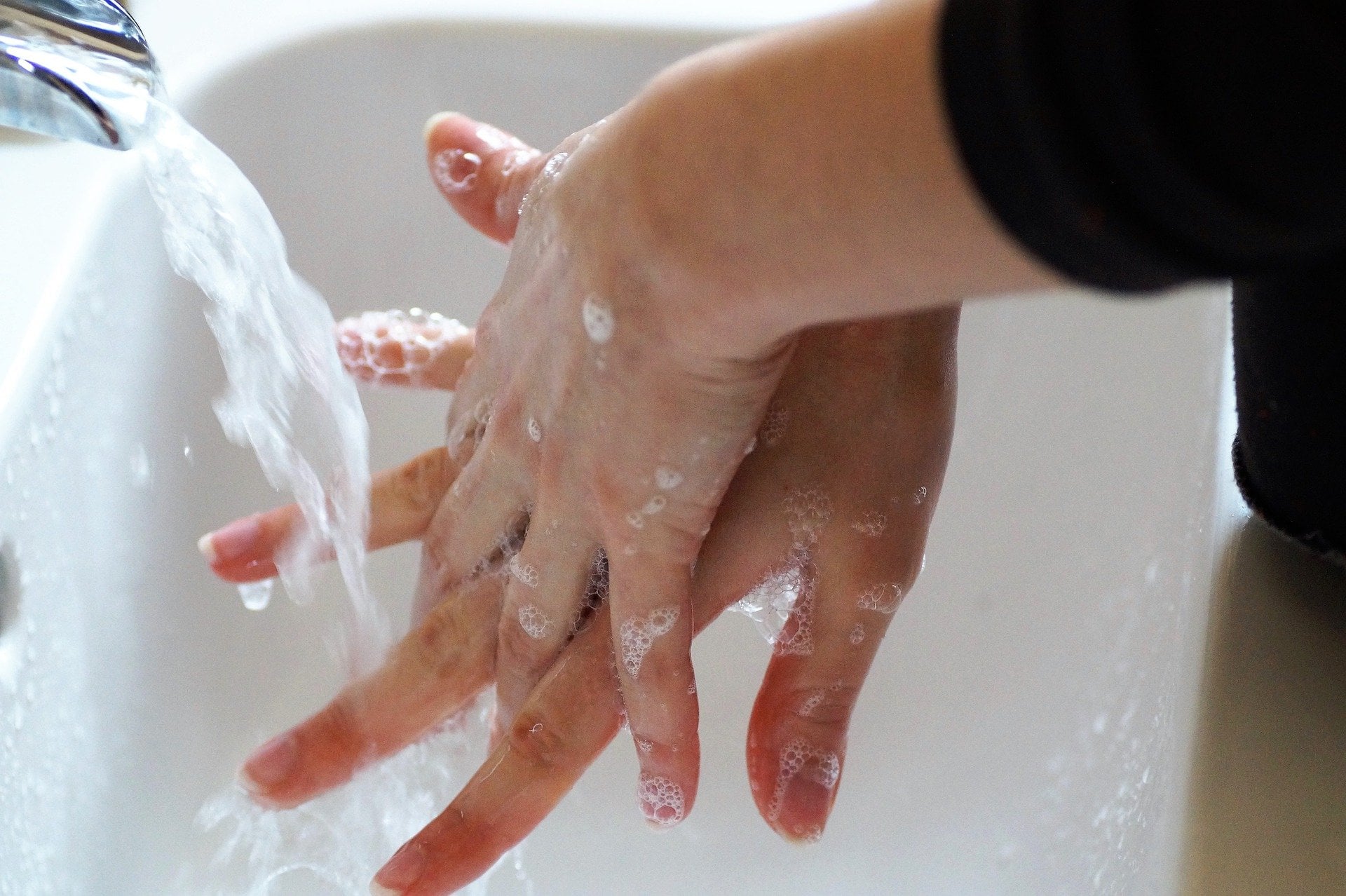
Diapering is a time when germs can spread very quickly if you are not careful. To keep things clean, you should follow a set of steps every single time.
- Prepare: Get the clean diaper, wipes, and a plastic bag ready before you start.
- Clean the child: Wipe the child from front to back.
- Remove trash: Put the dirty diaper and wipes in a hands- #free trash can.
- Clean the child’s hands: Yes, even the baby’s hands should be washed after a diaper change!
- Clean the area: Disinfect the changing pad after the child is #safely back on the floor.
- Wash your hands: Always wash your hands last.
If you use gloves, remember that gloves do not replace handwashing. You still need to wash your hands after you take the gloves off!
How do you perform a daily #health check?
A daily health check is a quick way to see if a child is #healthy enough to be at school. You should do this every morning when the child arrives. You don't need to be a doctor to do this. Just look and listen!
Ask yourself these questions:
- Is the child acting normally? Are they very tired or grumpy?
- Is their skin okay? Do you see any new rashes or red spots?
- Are they breathing easily? Do they have a very bad cough or a very runny nose?
- Do they feel warm? If a child looks flushed, they might have a fever.
By catching a sickness #early, you can ask the parent to take the child #home before other children get sick. You can read more about keeping your environment safe in our article Shoo, Germs! Don't Bother Me!.
How do you handle toys that children put in their mouths?
Infants and #toddlers learn about the world by putting things in their mouths. This is normal, but it also spreads a lot of spit and germs. You should have a "Mouthed Toy Bin" or a "Yucky Bucket" in your classroom.
When you see a child chew on a toy, put that toy in the bin as soon as they are done. Do not let another child play with it. At the end of the day (or during nap time), you can wash, rinse, and sanitize all the toys in the bin so they are ready for the next day.
Putting it all together for a healthy school 
Keeping germs away takes teamwork. You, the children, and the parents all have to work together. Make sure to talk to parents about your "sick policy." This is the rule that says children must stay home if they have a fever or are throwing up.
It might seem like a lot of work to wash hands and spray tables all day, but it saves time in the long run. If you need a comprehensive overview of all these safety topics, the 10 Hour Health and Safety Orientation Training Buy Now $80.00$65.00 covers everything you need to know to meet state standards. A healthy classroom is a #happy classroom where children are ready to learn and play!
Follow Us for More Tips!
We love helping teachers stay healthy and happy! For more quick videos on cleaning tips and #classroom-safety, follow ChildCareEd on Instagram. Join our community and share your own tips for a germ-free classroom!
- Achoo! Classroom Tips to Help Stop Germs
- Capacitación en Salud y Seguridad Preventiva en Línea para Proveedores de Cuidado Infantil
- How can California child care providers create safer classrooms for infants, toddlers, and preschoolers?
- How can child care programs keep children healthy every day?
- How can childcare programs prevent the spread of illness?
- How can child care programs prevent the spread of illness?
- How Can New York Child Care Providers Protect Children Now That Measles Is Back in 2026?
- How should your Minnesota childcare program respond if a child was exposed to measles?
- How can child care programs prevent and control infections?
- How can child care programs control infections and keep kids healthy?
- How can child care programs stop germs and keep children healthy?
- How can child care programs prevent infections and keep kids healthy?
- How should New York child care providers respond to a measles exposure?
- How should I prepare my classroom for cold and flu season beyond cleaning?
- Proporciones para guarderías en casa bajo el Título 22: Cómo la mezcla de edades cambia su capacidad en California
- What Are the Best Practices for Diapering and Handwashing Procedures in Child Care?
- Why Doesn’t a Handwashing Reminder Alone Close Germ-Control Gaps in Child Care?
- When Should a Sick Child Be Sent Home From Daycare?
- When Several Infants Seem Ill, What Should Staff Document?
