Working with families from many backgrounds helps children feel safe and do better in care. This article gives child care providers and directors clear steps. It is written like a friendly guide you can use today. Why it matters: When we welcome and work with families, children learn faster, feel proud of who they are, and families trust our program more. For tools and printable forms, see Family (or Parent) Conferencing: Developing Trust and other free resources on ChildCareEd.
How do I build trusting partnerships with families from diverse backgrounds?
Start small and steady. Trust grows with simple, respectful actions. Try these steps:
- 👋 Greet each family warmly at drop-off and pick-up. A short friendly note or quick chat helps. See ideas in ChildCareEd’s family partnership guide.
- 📣 Offer several ways to connect: notes, phone, text, apps, or home visits. Ask which way the family prefers and use it regularly.
- 📝 Share and make one clear goal together for the child. Write it down and update it with the family.
- 💬 Listen first. Ask open questions like: “What helps your child feel calm?” or “What does success look like at home?”
- 🔁 Keep contacts consistent. Small weekly updates matter more than rare long meetings.
Practical tools: use a Family Communication Note or a short Pre-Conference Form from ChildCareEd’s free resources here. These make talking and planning easier. Remember to center families’ strengths and show respect for their #culture and #families.
How can we honor culture and language every day in our program?
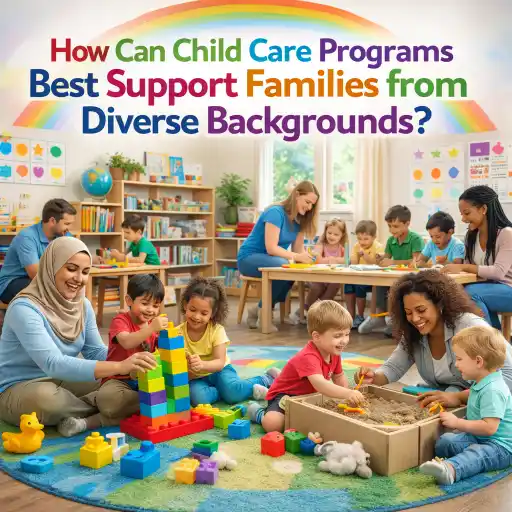
Children grow when their home language and culture are welcomed. Follow these numbered actions:
- 🌍 Invite families to share one thing: a song, a photo, a story, or a recipe. Make sharing easy and optional.
- 📚 Add books, dolls, labels, and pictures that reflect the children and families you serve. ChildCareEd has many classroom resources and activity packs you can use on culturally sensitive classrooms.
- 🗣️ Use greetings and simple labels in children's home languages. Research shows supporting the home language helps children learn English and boosts confidence (see Indiana University on multilingual access).
- 🤝 Co-plan celebrations and routines with families so events are respectful and accurate.
- 🎵 Include songs, games, and stories from different cultures in daily routines — talk, read, and sing together every day (see Talk, Read & Sing Buy Now $0.00).
These actions help children build identity and belonging. They also strengthen family trust and #communication. For classroom activities that welcome many cultures, check ChildCareEd’s activity packs and the Sesame Street resources Buy Now $0.00.
How do we support families who face extra challenges or barriers?
Many families need extra help: language access, economic stress, trauma, or children with special needs. Use clear steps to reduce barriers:
- 🧭 Start with a warm, private conversation. Ask what the family needs and what they already do well.
- 📋 Make a simple shared plan. Use a written goal sheet that lists who will do each step and when. ChildCareEd’s Family Engagement Practices Checklist and conference forms are good tools (free resources).
- 🔗 Connect families to local supports: food programs, health services, or early intervention. The Florida Center for Inclusive Communities and national centers offer guidance on disability supports and inclusion.
- 👂 Use interpreters or translated materials so families understand and can join decisions. Many states and community groups can help with translation.
- ❤️ Use trauma-informed approaches: be calm, predictable, and kind. For help on trauma-informed care, see resources from the National Technical Assistance Center for Children's Mental Health and the NCTSN eBulletin (NCTSN).
Note: state requirements vary - check your state licensing agency. Always document plans and follow privacy rules. Focus first on strengths and on making small, doable steps. This builds trust and helps families stay involved. Use #engagement and #communication as daily practice.
How will we know our work with families is making a difference?
Measure progress with simple checks. You do not need fancy data — small, regular checks work well.
- 📈 Count contacts. Track how often you send a note, call, or meet with each family each month.
- 🗣️ Ask short family surveys twice a year. Two questions can tell a lot: “Do you feel heard?” and “What helped your child most?”
- 🎯 Watch child changes. Note one small goal and collect simple evidence: photos, notes, or a quick skill checklist.
- 🤝 Hold monthly team reflections: what worked? what should we try next? Use the AHRQ family-centered tools for ideas about rounds and checklists (AHRQ Family-Centered Rounds Toolkit).
- 📌 Keep a family portfolio with one goal, short notes, and examples of progress to share at conferences.
Common mistakes and how to avoid them:
- ⚠️ Mistake: Only contacting families about problems. Fix: Start with strengths and a positive update.
- ⚠️ Mistake: Using only one way to reach families. Fix: Ask their preference and use more than one method.
- ⚠️ Mistake: Making assumptions about a family’s culture. Fix: Ask with curiosity and let families teach you.
FAQ (quick):
- Q: How often to contact families? A: Aim for one positive contact weekly and updates when goals change.
- Q: What if a family doesn’t respond? A: Try different times, methods, or a brief home-language note.
- Q: Who pays for translation? A: Look for local grants, community volunteers, or free tools; many programs can help find funding.
Final thought: small, consistent steps that honor #diversity, build #communication, and focus on strengths will grow strong partnerships. For more practical forms, activities, and trainings, visit ChildCareEd’s resources and courses such as Connecting With Families Through Strengths-Based Care and related training pages.
- 45 Hour Child Growth and Development
- Training Guide for Families from Diverse Language and Cultural Backgrounds
- 45 Hour Preschool Methods and Materials
- Bienvenido! Welcoming All Families
- CDA Family Child Care Credential with Portfolio Review
- 45 Hour Infant and Toddler Methods and Materials
- Training Guide for Families from Diverse Language and Cultural Backgrounds
- 45 Hour School Age Methods and Materials
- Texas Director Credential
- Making Childcare More Accessible And Affordable For a Broader Range of Families
- Daycare Near Me: A Parent's Necessity
- How Can Childcare Educators Thrive in the Big Apple?
- From Challenges to Triumphs: Strategies for Childcare Educators in New York
- CDA Certification en Español: Recursos y Consejos para Educadores Bilingües
- Inside the Child Care Resource Center: How to Maximize Support for Families and Educators
- How the Right Training Turns Child Care Workers into Rockstars
- How can Michigan early educators use culturally responsive teaching in their classrooms?
- How can child care programs best support families from diverse backgrounds?
- How can early childhood programs best support diverse families?
- How can we celebrate diversity and inclusion in California early childhood classrooms?
- How can child care programs support diversity and inclusion?
- How Culture Shapes a Child’s Holistic Development
- How Family Background Influences Babies’ and Children’s Development
- How can Minnesota child care programs welcome Somali, Hmong, and Spanish-speaking families?
- How can we teach community and country to young children in simple, respectful ways?
- How Can I Celebrate Lunar New Year Respectfully and Effectively in My Classroom?
- From Mealtime to Manners: How Cultural Influences Show Up in Everyday Child Care
- How Can Child Care Providers Support Families from Diverse Cultural Backgrounds?
