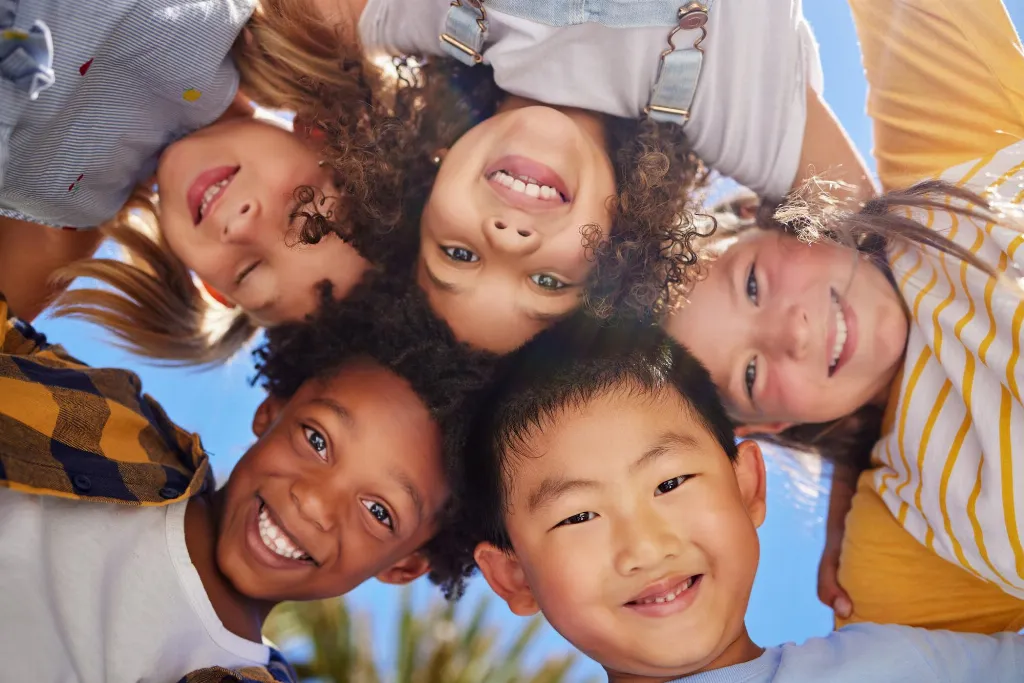
 Teaching children about diversity can feel big, but activities make it simple and fun. This guide gives clear, practical activities and steps you can use in your #classroom every week. You will find easy games, ways to work with families, tips to avoid common mistakes, and how to see if your work is helping children learn kindness and respect.
Why does teaching diversity with activities matter?
1. Children learn by doing. Hands-on activities help children notice differences and feel safe asking questions.
2. Strong social skills grow from play. Research shows that early social-emotional learning helps children succeed in school and life (RWJF).
3. Activities teach identity and respect. When children see toys, books, and music that reflect many families, they feel seen. For ideas that celebrate families and belonging, see this ChildCareEd article: Celebrate Every Family.
4. Early lessons stick. Young children form ideas about people quickly. Helping them now builds lifelong #diversity, #inclusion, #culture, #belonging, and #empathy.
Simple, regular activities reduce bias and build kindness. Programs that teach diversity with play often see children share more, help each other, and enjoy learning together (research on multicultural activities).
What classroom activities work best to teach diversity?
🔶 Greeting Circle: Teach 3–5 simple greetings in home languages. Repeat each day. See ChildCareEd’s ideas: Multicultural Games and Activities.
🎨 Book & Art Corners: Add books and dolls that show many families. Use the ChildCareEd resource: Multicultural Classroom Activities Buy Now $0.00.
🥁 Music from Many Places: Play short songs and try simple dances. Use instruments or homemade shakers (sealed containers with rice).
🧩 Same & Different Sorting: Use blocks or buttons. Sort by color or size, then talk about how people can be different and still belong.
👣 Handprint Mural: Each child adds a handprint and a one-word promise (kind, share, help).
Activity tips:
- Rotate items so every child sees themselves represented.
- Use photo displays of families (with permission) and avoid costumes that stereotype.
- For step-by-step packs, try ChildCareEd’s Harmony Day and other holiday resources: Harmony Day Activities Buy Now $0.00 and Harmony Day ideas.
How do I involve families and languages respectfully?
📬 Ask First: Send a short note explaining the activity and offer options to share (photo, song, recipe). See ChildCareEd tips on family events: Creating Inclusive Events.
🗣️ Honor Home Languages: Label objects in more than one language. Use simple greetings and picture labels. The Indiana University resource explains why multilingual settings help all children: Multilingual Access.
🎤 Offer Many Ways to Share: Some families send photos, others record a greeting. Keep sharing optional and private.
🤝 Partner for Activities: Invite families to demonstrate a short song or game (5 minutes), or send materials to use in class.
📅 Schedule with Care: Pick times that work for families and offer take-home options.
Quick scripts to use:
- "If you want, you can send a photo or teach us a short greeting in your language. It’s always okay to say no."
- "Thank you for sharing—would you like us to read the story in class or just add a picture to our family wall?"
How do I avoid common mistakes and measure success?
Common mistakes to avoid:
- 🚫 Making one child speak for a whole culture. Do not ask one child to explain everything about their background. Use books and teacher-led discussion instead (ChildCareEd).
- 🚫 Doing a single “culture day” as a one-time event. Teach diversity all year with everyday materials (Culturally Responsive Teaching).
- 🚫 Using stereotypes or costumes. Focus on real items, stories, and family customs.
How to measure success:
- 🔍 Observe behavior weekly. Count times children help, share, or include others.
- 🗣️ Ask children short questions: “How do we show we care?” Use thumbs-up/thumbs-down for answers.
- 📋 Get family feedback with one-question surveys or a quick chat at pick-up.
- 📈 Track social-emotional growth. Use short checklists tied to SEL goals (see RWJF on SEL benefits: Promoting SEL).
- 🧾 Use program tools like ECERS notes to document diverse materials and family engagement (research on ECERS changes).
Conclusion
1. Start small: one greeting, one new book, one display.
2. Repeat often: short routines work best for young children.
3. Involve families with choices and respect.
4. Watch for kinder play, more sharing, and new questions. Those are signs your activities are working.
For more ready-to-use packs and training, explore ChildCareEd’s resources on multicultural activities and family engagement: Multicultural Games and Activities, Multicultural Classroom Activities Buy Now $0.00, and Celebrate Every Family. Small, steady steps help children grow into caring, curious people.
- 45 Hour Child Growth and Development
- Moving About the Classroom: Effective Transitions for Everyday
- CDA Home Visitor Subject Area 3 Part 3 Birth to 5
- CDA Home Visitor Subject Area 2 Part 3 Birth to 5
- Birth to Five CDA Credential with Portfolio Review
- Teach with Respect!
- Wellness in Action: Teaching Healthy Habits to Children
- Montessori Cultural Activities: Exploring the World Through Play and Learning
- Moving About the Classroom: Effective Transitions for Everyday
- Building Social Foundations
- CDA Certification en Español: Recursos y Consejos para Educadores Bilingües
- 🌎 ¿Cómo apoyo a las familias diversas mientras honro su cultura y valores? 💜
- ¿Cómo puedo usar escenarios de juego de roles de primeros auxilios en mi aula?
- ¿Cómo puedo enseñar habilidades de primeros auxilios con escenarios de juego de roles?
- Apoyo en Preescolar para Retrasos del Habla: Estrategias Simples que Ayudan
- Retraso del Habla en la Guardería: Cómo Pueden Ayudar los Proveedores
- How to Teach Children About Diversity Through Activities
- How Can Early Childhood Classrooms Celebrate Diversity and Inclusion?
- How can we celebrate diversity and inclusion in California early childhood classrooms?
- Helping Children Explore Culture, Identity, and Belonging
- Celebrando la amistad en el cuidado infantil durante el Día de los Mejores Amigos
- How to Teach Diversity to Preschoolers Through Play
- How can Michigan child care programs use global events to teach diversity and inclusion?
- How can child care programs use culturally responsive activities to support young children?
- How Can We Celebrate Every Family and Create a Classroom Where Everyone Is Represented?
- What Should You Ask Families Before a Classroom Winter Celebration?
- How Can You Plan October Classroom Activities for Children Who Do Not Celebrate Halloween?
- How Can Teachers Help Young Children Understand Similarities and Differences?
