Introduction: June 19th uniquely falls near Father's Day and marks Juneteenth, the federal holiday commemorating the end of legal enslavement in the United States. For early childhood professionals, this proximity is an opportunity to support family engagement, center culturally responsive practice, and design developmentally appropriate learning experiences. To help providers act on this opportunity, begin with professional development in cultural competency—consider courses like One World, Many Cultures Buy Now $25.00 and Strength in Differences: Cultural Diversity  Buy Now $24.00—and then bring celebrations into everyday curriculum. For ready-to-use, classroom-tested activities that pair well with these courses, see Teaching Kids About Juneteenth Through Activities and Crafts. Focus areas include Juneteenth, fatherhood, diversity, inclusion, and nutrition—#Juneteenth #Fatherhood #Diversity #Inclusion #Nutrition.
What is Juneteenth and why should early childhood programs acknowledge it?
Juneteenth commemorates June 19, 1865, when Union troops arrived in Galveston, Texas, announcing that enslaved people were free—more than two years after the Emancipation Proclamation. In early childhood settings, acknowledging Juneteenth affirms the histories of Black children and families and fosters an inclusive classroom culture. Recognition is not merely ceremonial; it is practice-based: programs should center accurate, age-appropriate narratives, invite family memory and storytelling, and situate celebrations within ongoing anti-bias pedagogy.
Practical steps for programs: 1) consult families about how they observe the day; 2) integrate books and songs that reflect Black histories and dignity; 3) avoid tokenization by embedding cultural learning across the year. For classroom activities and art-based approaches, see our activity-based guides: Teaching Kids About Juneteenth Through Activities and Crafts and Celebrate Juneteenth with Kids: Songs, Stories, and Art.
How can I teach Juneteenth to young children in developmentally appropriate ways?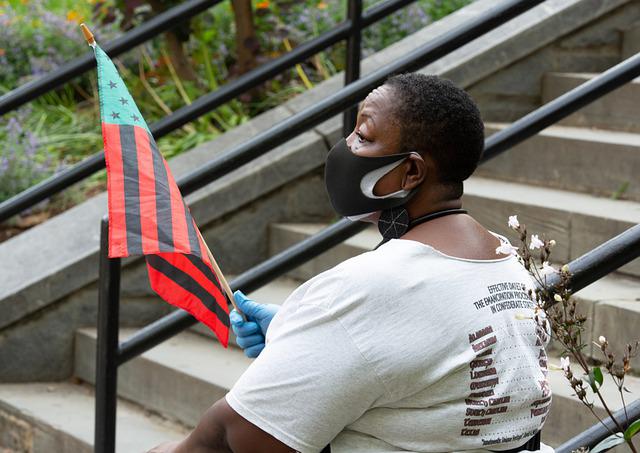
Design learning that emphasizes belonging, narrative, and cultural pride rather than a detailed chronology of legal events. Infant/toddler strategies differ from preschool approaches: for toddlers, prioritize sensory story times and family photo sharing; for preschoolers, use simple timelines, read picture books by Black authors, and offer art projects that honor community and resilience. Scaffold conversations with concrete prompts ("What does freedom mean at home?"), and use open-ended materials so children can represent ideas through drawing and dramatic play.
Activity examples (practical, reproducible):
- Story & Reflect: Read a brief, age-appropriate book about Juneteenth or freedom, then ask children to draw a picture of a family celebration.
- Music & Movement: Introduce songs rooted in Black cultural traditions and create a simple rhythm activity that children can perform with drums or shakers.
- Community Quilt: Provide paper squares where children and families contribute a square representing their culture or family story; assemble into a classroom "quilt" and display it as a living curriculum artifact.
For craft-focused lesson plans and printable ideas, consult our Juneteenth activities resource: Juneteenth Activities for Kids: Crafts, Books, and Learning Ideas.
How can programs engage fathers and family food traditions during Juneteenth and Father’s Day?
Family engagement is central. Fathers often bring cultural knowledge, recipes, stories, and caregiving strengths. Intentionally invite fathers to share—host a "Dad's Recipe" potluck or a story-sharing circle. Use these events to model responsive interactions and to observe family routines that inform your individualized care plans. When organizing shared meals, consider dietary accommodations and encourage generational recipe exchanges that support cultural continuity.
Programming tips: send a family letter explaining learning goals, provide translation when needed, and offer multiple participation modalities (in-person, virtual, take-home kits). For strategies on building classroom cultural awareness and sustaining multiple traditions appropriately, see How can I build cultural awareness in my classroom? and How can my classroom celebrate multiple traditions in ways that are fair, meaningful, and sustainable?.
How can nutrition and shared meals be used as learning opportunities during celebrations?
Food traditions are pedagogical resources for culture, measurement, language development, and motor skills. Use recipe-sharing to teach sequencing and numeracy (measuring ingredients), and invite children to prepare simple, safe elements of a dish to develop fine motor control. Discuss where foods come from and link meals to seasonal produce to support healthful choices. For curricula and courses that strengthen staff capacity to integrate nutrition into programming, consider Health & Nutrition or On My Plate: Children's Nutrition Buy Now $24.00.
Also address food policy and inclusion: ensure allergy awareness, culturally appropriate menu options, and equitable access so all families can participate without stigma.
How can programs respectfully celebrate Black culture and music during Juneteenth?
Center Black voices and artists when you present music and cultural content. Use resources created by Black educators, invite community performers when possible, and ensure celebrations emphasize dignity and historical context. Avoid performances that exoticize or simplify cultural practices. For program-level ideas on centering Black culture and music thoughtfully, see How Can You Celebrate Black Culture and Music Effectively in Your Program?.
What classroom resources and professional development support sustained practice?
Ongoing professional learning is essential. Short-term activities must be embedded in a programmatic commitment to equity: staff training on implicit bias, culturally responsive pedagogy, and family partnership models. H&H's offerings—such as Quality Care...Supporting Families with Integrity Buy Now $25.00—are designed to connect practice to policy. Additional classroom-level resources include our activity pages and state-anchored guidance on family engagement. For place-based ideas (example: Baltimore), consult local celebration guides like Celebrate Juneteenth in Baltimore.
Programs located in Texas should consult the Texas Health and Human Services (HHSC) child-care licensing guidance and the Texas Administrative Code for current rules governing food service, supervision ratios, health screenings, and volunteer/visitor policies. Align your Juneteenth and Father’s Day events with those state requirements—particularly rules that affect shared meals, meal accommodations, and staff-to-child ratios during special events. When questions arise about licensing compliance, contact your regional licensing specialist or local health department so celebrations remain safe, inclusive, and consistent with state policy.
What are the summary and next steps?
Juneteenth and Father's Day together present a meaningful pedagogical moment: affirm cultural identity, deepen family partnerships, and integrate healthful traditions into learning. Action steps for programs this month: 1) enroll staff in a cultural competency course; 2) invite fathers and families into program planning; 3) design two developmentally appropriate activities (story/art + a music or food event); 4) document and display family contributions as curriculum artifacts. For reproducible activities and lesson templates, see our Juneteenth and craft guides and use the courses referenced above to prepare staff.
- Activity resources: Teaching Kids About Juneteenth Through Activities and Crafts
- Song & story ideas: Celebrate Juneteenth with Kids: Songs, Stories, and Art
- Crafts & books list: Juneteenth Activities for Kids
- Classroom culture: How can I build cultural awareness in my classroom?
- Multiple traditions guidance: How can my classroom celebrate multiple traditions?
- Music & culture: How Can You Celebrate Black Culture and Music Effectively?
*Archived from H&H's Constant Contact Newsletters [6.6.2022]
- 45 Hour Child Growth and Development
- SIDS: Saving Babies: A Change of Position, A Change in Tradition
- 45 Hour Preschool Methods and Materials
- Legal & Ethical Essentials in Child Care
- CDA Introduction
- 45 Hour Infant and Toddler Methods and Materials
- 45 Hour School Age Methods and Materials
- Creating Environments that Nurture Growth and Community
- Texas Director Credential
- Juneteenth History and Activities
- Celebrate Juneteenth in Baltimore
- Juneteenth Crafts and Stories
- What is Shavuot, Eid al Adha & Juneteenth
- Celebrate Juneteenth with Kids: Songs, Stories, and Art
- Teaching Kids About Juneteenth Through Activities and Crafts
- Juneteenth Activities for Kids: Crafts, Books, and Learning Ideas
- How can child care programs honor Juneteenth in age-appropriate, respectful ways?
- How Can Early Childhood Programs Introduce Juneteenth in Developmentally Appropriate Ways?
- How Can Child Care Programs Celebrate Juneteenth Through Respectful, Child-Centered Art?
- How Can Coloring Pages Spark Meaningful Historical Conversations About Juneteenth?
- How Can Juneteenth Symbols Build Visual Memory in Young Children?
- How Can Meaningful Juneteenth Vocabulary Support Early Writers?
- How Can Drawing and Dictation Help Children Respond to Juneteenth?
