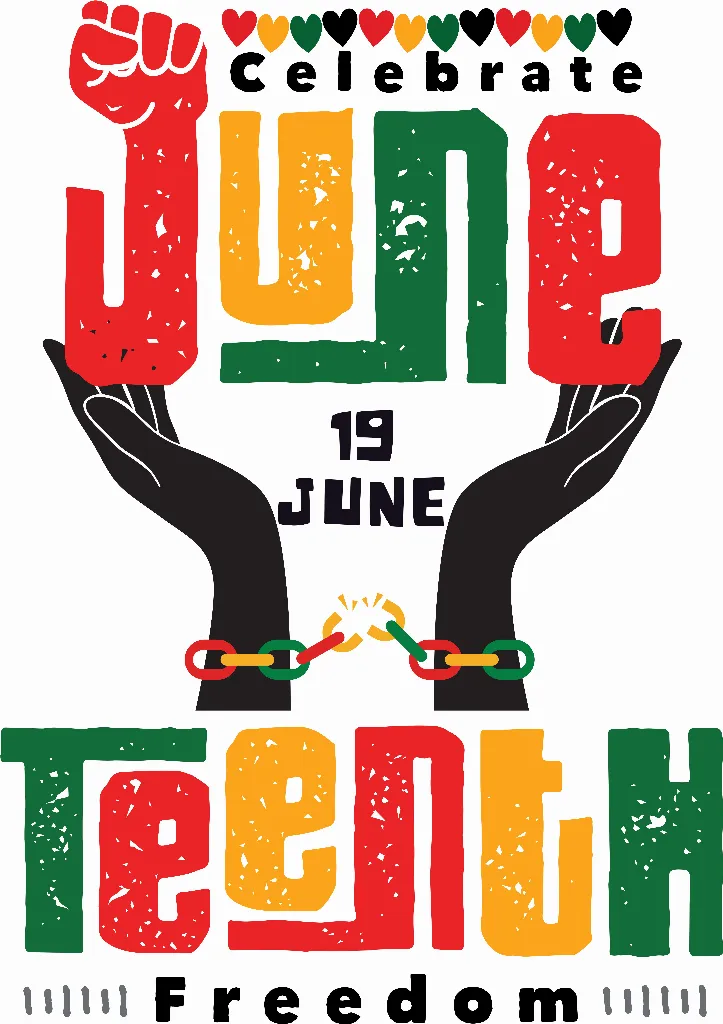
 Juneteenth is a chance to teach children about #Juneteenth, #freedom, #community, #crafts, and #books in simple, joyful ways. This short guide helps child care providers and directors plan age-appropriate lessons using stories, songs, and hands-on projects.
Use easy steps, invite families, and center respect. For classroom-ready ideas, start with the ChildCareEd resource Juneteenth Activity Ideas Buy Now $0.00 which offers ready materials for birth through preschool.
How can I explain Juneteenth to young children?
Keep explanations short, true, and hopeful. Focus on freedom, fairness, and community. Try a simple script: "Juneteenth is a day we celebrate freedom and being kind to everyone." Use picture books and stories so children can see feelings and people. See Celebrate Juneteenth with Kids for scripts and tips.
- Read 1 short picture book (10 minutes).
- Ask 1–2 questions: "How do you think they felt?" "What is one kind thing they did?"
- Follow with a drawing or music activity (5–10 minutes).
If a child asks a hard question, answer softly: "Long ago some people weren’t treated fairly. Juneteenth reminds us freedom and fairness matter." Avoid graphic details for preschoolers. This approach supports belonging for all children and families and helps staff stay age-appropriate and kind.
What easy activities and crafts work well for Juneteenth in my classroom?
Hands-on activities help children learn without heavy words. Use items you already have. For many ready-made plans, see ChildCareEd's Juneteenth Crafts and Stories and the classroom activity pack at Juneteenth Activity Ideas Buy Now $0.00.
- 🖍️ Class freedom collage: Each child adds a drawing of family, friends, or helpers. Tape into one big #community mural.
- 🎨 Paper quilt mural: 1 square per child showing a family tradition or a kindness promise. Join squares into a classroom quilt.
- 🥁 Music and rhythm: Call-and-response chants or simple drums to celebrate #freedom. Let children lead the beat.
- ✂️ Coloring & printables: Use simple coloring pages or trace-and-color booklets for quiet time; see printable ideas like those at Juneteenth Coloring Pages.
- 🖼️ Joy and hope gallery: Paint celebrations—music, food, parades. Add captions with children’s words.
Practical tips: 1) Prep materials in trays to reduce spills; 2) Show one quick example and then let children create; 3) Add words or a sentence next to each child’s art. If you plan snacks or family foods, remember state requirements vary - check your state licensing agency and follow allergy rules.
How can I include families and use books and music to deepen learning?
Family partnership makes your Juneteenth lessons richer and more respectful. Start by inviting families to share stories, songs, or a family tradition. Keep invitations optional and clear. ChildCareEd suggests prompts and short family moments that build trust; see their ideas at Celebrate Juneteenth with Kids.
- 📣 Send a short note: Ask families to share a favorite song, book, or memory (optional).
- 📚 Offer a book list: Provide age-appropriate books about Juneteenth and freedom. For book ideas see lists like The 2022 Ultimate List of Diverse Children’s Books and curated Juneteenth reads in Best June Books for Kids.
- 🎵 Invite a family to lead a song or read in their home language (short, 10–15 minutes).
- 📸 Share art: Send home a digital photo of the class mural with a note about what kids learned.
Keep family events short (20–30 minutes) and classroom rules clear. Offer non-food options, and follow your program policies. These steps show respect and help families see their culture honored in your program.
How do I avoid common mistakes and make Juneteenth lessons respectful and useful?
Why it matters: 1) Teaching Juneteenth with care builds children’s sense of belonging and helps communities feel seen. 2) It teaches values like fairness and resilience in a gentle way. Using songs, stories, and crafts connects young learners to history without heavy detail.
Common mistakes and how to avoid them:
- 🚫 Mistake: Overloading with facts or graphic history. Fix: Keep messages short and hopeful for preschoolers.
- 🚫 Mistake: Treating Juneteenth like a party only. Fix: Balance celebration with simple teaching about freedom and fairness.
- 🚫 Mistake: Excluding families or not asking their input. Fix: Invite families to share and honor their choices.
- 🚫 Mistake: Using stereotypes or one-size-fits-all activities. Fix: Use diverse books and let children express their own ideas.
Staff training and resources: 1) Consider ChildCareEd courses like Strength in Differences: Cultural Diversity  Buy Now $24.00 and Equity-Centered Communication in ECE Buy Now $55.00 to guide respectful teaching. 2) Use ready lesson packs like Juneteenth Activity Ideas Buy Now $0.00 for safe, age-appropriate plans.
FAQ (quick):
- Q: Can I teach Juneteenth to preschoolers? A: Yes — focus on stories, songs, and art about freedom and kindness.
- Q: Should families bring food? A: Only if your policies and licensing allow — state requirements vary - check your state licensing agency.
- Q: How long should activities be? A: Keep them short: 10–30 minutes for preschool groups.
- Q: What books work best? A: Picture books with hopeful themes. See curated lists and ChildCareEd book suggestions.
- Q: Where can I get more help? A: Use ChildCareEd articles and courses linked above for ready plans and staff training.
Conclusion
Teaching Juneteenth with simple, planned activities helps children learn about #freedom and #community in a safe, joyful way. Use age-appropriate books, songs, and #crafts, include families, and lean on trusted resources like ChildCareEd. When done with respect, these lessons support belonging, kindness, and learning that lasts.
- CDA Home Visitor Subject Area 3 Part 3 Birth to 5
- CDA Home Visitor Subject Area 2 Part 3 Birth to 5
- Moving About the Classroom: Effective Transitions for Everyday
- Birth to Five CDA Credential with Portfolio Review
- Teach with Respect!
- Art from the Heart for Preschoolers: Open Ended Art Projects that Build Self-Esteem
- Texas Teacher 24 hours Annual Renewal 2nd Year
- Supporting School Age Development ONLINE
- Moving About the Classroom: Effective Transitions for Everyday
- Theories on How I Grow
- Juneteenth History and Activities
- Celebrate Juneteenth in Baltimore
- How to boost fine motor skills: Holiday Edition
- DIY Snow Globes: The Fine Motor Craft That’ll Keep Kids (and Adults) Busy for Hours
- CDA Certification en Español: Recursos y Consejos para Educadores Bilingües
- 🌎 ¿Cómo apoyo a las familias diversas mientras honro su cultura y valores? 💜
- ¿Cuáles son las mejores actividades del Día de la Tierra para niños en casa o en el aula?
- ¿Cómo puedo usar escenarios de juego de roles de primeros auxilios en mi aula?
- ¿Cómo puedo enseñar habilidades de primeros auxilios con escenarios de juego de roles?
- ¿Cómo afecta la dopamina a los niños: señales, efectos e influencias diarias?
- Actividades de Otoño Fáciles para Preescolares esta Temporada
- Teaching Kids About Memorial Day Through Crafts and Activities
- Teaching Kids About Juneteenth Through Activities and Crafts
- Juneteenth Activities for Kids: Crafts, Books, and Learning Ideas
- How can friendly-monster crafts teach children about feelings?
- How can child care programs honor Juneteenth in age-appropriate, respectful ways?
- How Can Early Childhood Programs Introduce Juneteenth in Developmentally Appropriate Ways?
- How Can Juneteenth Symbols Build Visual Memory in Young Children?
- How Can Meaningful Juneteenth Vocabulary Support Early Writers?
- How Can Drawing and Dictation Help Children Respond to Juneteenth?
