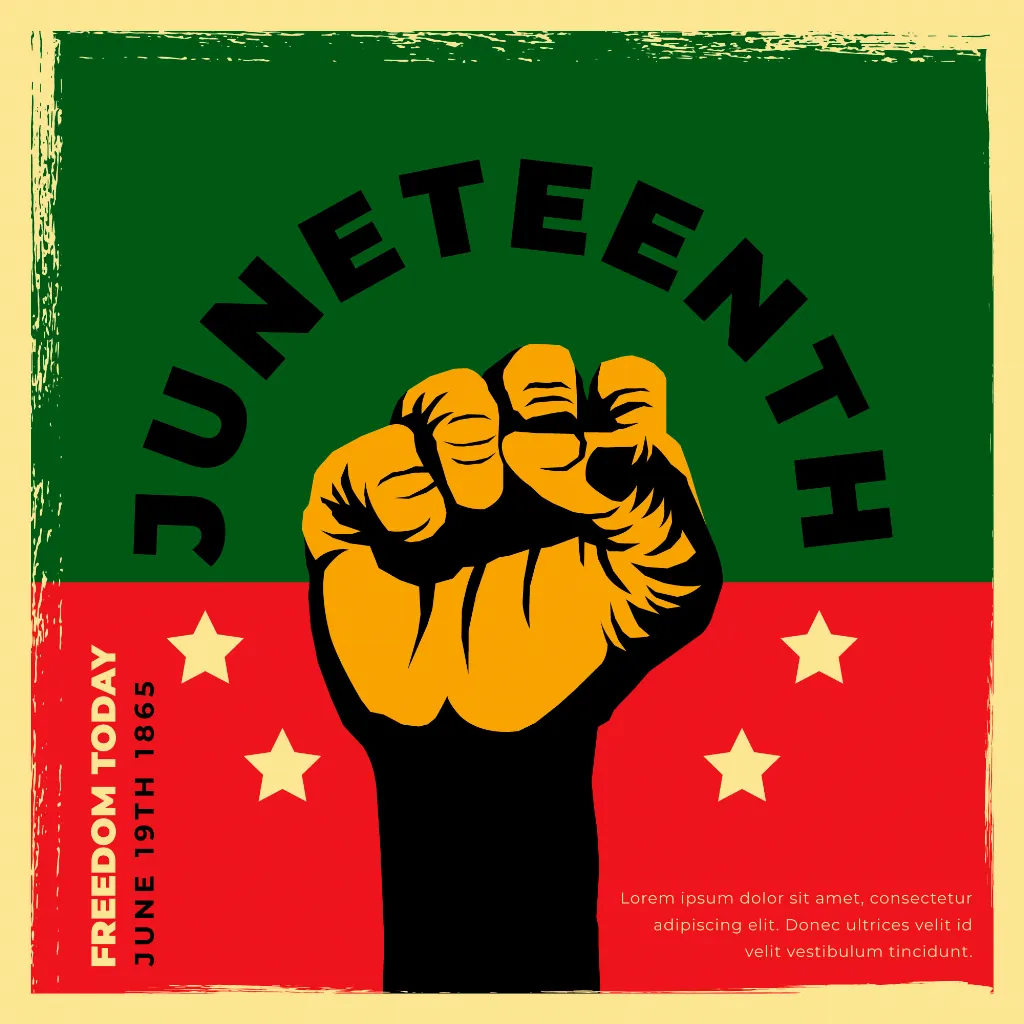
 Juneteenth is a day to remember freedom and to celebrate how far we have come. Child care programs can mark the day with simple, respectful activities that teach history and build community. You don’t need long lectures or heavy details. Young children learn best through stories, songs, art, and caring routines.
Why is Juneteenth important to teach in child care and preschool?
Juneteenth can help children learn big values in a gentle, age-appropriate way:
-
Fairness: “Everyone should be treated kindly and fairly.”
-
Resilience: “People can keep going, even when life is hard.”
-
Community: “We help each other. We celebrate together.”
It also supports strong relationships with families. When families see their history and culture respected, it builds trust between home and school. That matters for children’s sense of belonging (#community, #Juneteenth).
For a ready-to-use activity list, include this ChildCareEd resource in your plan:
https://www.childcareed.com/r-00819-juneteenth-activity-ideas.html Buy Now $0.00
How can I explain Juneteenth to young children in a simple, safe way?
Keep it short, hopeful, and focused on freedom and fairness. Try a script like this:
-
“Juneteenth is a day we celebrate freedom.”
-
“It helps us remember that fairness matters.”
-
“Today we will read stories, make art, and celebrate our community.”
If a child asks a hard question, you can answer briefly and gently:
-
“A long time ago, some people were not treated fairly. Juneteenth reminds us that freedom is important, and we keep working to be fair and kind.”
Tip: For preschoolers, avoid long details about slavery or violence. Focus on the idea that people worked hard for freedom and that fairness is important.
What are easy, age-appropriate Juneteenth stories to read with children?
Stories are one of the best ways to introduce history because children can connect through characters, feelings, and community.
How to do a simple read-aloud (10–15 minutes)
-
Pick one picture book with warm, hopeful themes.
-
Read slowly and show pictures.
-
Ask only two questions:
-
“How do you think the character felt?”
-
“What is one kind thing people did?”
-
Easy follow-up ideas (5–10 minutes)
-
Children draw one feeling (happy, proud, hopeful).
-
Children draw a community celebration (music, friends, family).
-
Make a “Fairness Poster” with children’s words: “We share,” “We take turns,” “We use kind words.”
For more book and craft ideas from ChildCareEd, you can also use this related article:
https://www.childcareed.com/a/juneteenth-crafts-and-stories.html
Which songs and music activities work well for a Juneteenth celebration?
Music helps children feel connected. Keep it joyful and classroom-friendly.
Simple music ideas
-
Clap-and-repeat chant: Teacher says a line, children repeat it.
-
“Freedom is…” (children repeat) “for everyone!”
-
-
Marching rhythm: Use drums, rhythm sticks, or claps.
-
Call-and-response: Short lines children can easily copy.
Make it easy for staff
-
Play a song once, then add motions the second time (clap, sway, march).
-
Keep volume comfortable for sensitive ears.
-
Let children take turns being the “beat leader.”
You can connect music to a classroom message like:
-
“We celebrate freedom.”
-
“We treat each other fairly.”
-
“We help our community.”
What simple Juneteenth art and craft projects build community?
Art helps children show what they understand without needing big words. Choose projects that celebrate community, freedom, and pride.
Great classroom projects (15–30 minutes)
-
Class freedom collage: Children add pictures of friends, helpers, and families (drawings or magazine cut-outs).
-
Community quilt mural: Each child decorates a paper square with:
-
their family,
-
a favorite tradition,
-
or a “kindness promise.”
Tape squares together to make one big class quilt.
-
-
Juneteenth colors art: Use red, white, and blue materials for a simple collage or painting (focus on creativity, not “perfect” results).
-
“Joy and Hope” gallery: Children paint celebrations—music, food, parades, family hugs.
Safe setup tips
-
Prep materials in trays (less mess, easier supervision).
-
Show 1 quick example, then let children create.
-
Add captions using children’s words: “I drew freedom as dancing.”
For more Juneteenth craft and story ideas gathered by ChildCareEd, this article can support your planning:
https://www.childcareed.com/a/juneteenth-crafts-and-stories.html
How can we include families in a respectful, welcoming way?
Family partnership makes celebrations more meaningful—and it helps avoid mistakes.
Simple ways to invite families
-
Ask families to share a favorite song, book, or family tradition (optional).
-
Invite a family member to read a story in their home language (optional).
-
Send home one easy prompt: “Ask your child what freedom means to them.”
If you host a family moment
-
Keep it short (20–30 minutes).
-
Offer non-food options if allergies are a concern.
-
Share clear expectations and supervision rules.
-
Follow your program policies (and licensing rules).
What training can support staff in teaching Juneteenth with care and respect?
If your team wants support with inclusive teaching and respectful communication, these ChildCareEd courses fit well:
-
https://www.childcareed.com/courses-diversity-equity-and-inclusion-in-education-4001.html
-
https://www.childcareed.com/courses-strength-in-differences-cultural-diversity.html
-
https://www.childcareed.com/courses-equity-centered-communication-in-ece-4063.html
FAQ
Can I teach Juneteenth to preschoolers?
Yes. Use short stories, songs, and art focused on freedom, fairness, and community.
Should families bring food?
Only if your policies and licensing allow it. Use allergy-safe plans and permission steps (state requirements vary).
Where can I get quick classroom ideas?
Use this ChildCareEd resource:
https://www.childcareed.com/r-00819-juneteenth-activity-ideas.html Buy Now $0.00
Conclusion
Juneteenth can be taught in child care with simple songs, stories, and art that are meaningful and age-appropriate. Focus on freedom, fairness, and community. Invite families in respectful ways, keep activities short, and center joy along with learning. When children experience belonging and respect, they grow into caring classmates and citizens (#kids, #belonging, #community).
For extra planning support, ChildCareEd’s Juneteenth article is also a helpful companion:
https://www.childcareed.com/a/juneteenth-crafts-and-stories.html
