How do you teach a powerful moment in history without overwhelming young children? Thoughtful, short activities that focus on celebration, belonging, and simple explanations can help staff create meaningful Juneteenth moments that strengthen classroom practice and family partnerships. For practical classroom strategies and staff learning, consider Montessori Cultural Activities: Exploring the World Through Play and Learning  Buy Now $24.00—or pair culture-focused lessons with music strategies from Mind's Medicine: Music in Early Childhood Buy Now $16.00 to turn a lesson into a memorable classroom experience that supports professional growth and usable lesson plans.
How can I explain Juneteenth to young children in a brief, developmentally appropriate way?
Start with one clear idea: Juneteenth is a day many people celebrate freedom. Keep language short and hopeful—"Juneteenth is a day we celebrate freedom and being kind to each other." Young children learn best through story, song, and play rather than long historical lectures. Use picture books, simple scripts, and images to anchor the conversation and invite children to share feelings or memories that connect to fairness.
Why this matters: introducing Juneteenth thoughtfully supports children’s sense of belonging and helps programs honor family identities. Use age-appropriate wording and avoid graphic detail; if a child asks something complex, respond simply and offer to talk more with the family. For ready-to-use, age-level ideas, see the classroom resource Juneteenth Activity Ideas Buy Now $0.00 from ChildCareEd.
Practical tips:
- Prepare a one-sentence intro for staff to use with children.
- Use visual cues or a 3-step timeline: "A long time ago," "The news arrived," "People celebrated."
- Keep whole-group discussion to 5–10 minutes and follow with an art or movement activity.
What hands-on, age-appropriate activities and #crafts teach Juneteenth concepts without oversharing?
Hands-on projects let children express ideas about joy, #freedom, and community without heavy language. Choose short activities (10–30 minutes) and simple materials so every child can participate. Here are classroom-friendly options you can adapt for infants through preschool:
- 🎨 Class Freedom Collage: Each child adds a drawing or photo of someone they love; combine into a large classroom mural that celebrates belonging.
- Paper Quilt Squares: One decorated square per child (family, tradition, or kindness promise) taped together as a visible symbol of shared stories.
- Freedom Flags & Rhythm: Small flags on craft sticks and a short call-and-response chant to pair movement and story.
- Joy Portraits: Children paint or draw a celebration scene and dictate a one-line caption describing what freedom or kindness looks like to them.
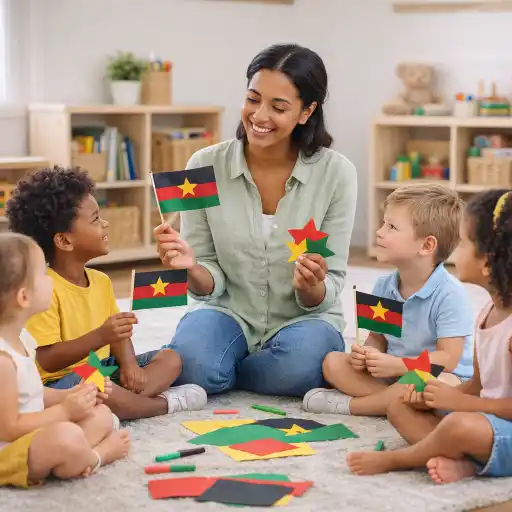
Set-up strategies: pre-sort materials into trays, model one quick example, label each child’s work with their words to honor voice. For printable ideas and quick lesson packs, refer to Juneteenth Crafts and Stories and the ready activity PDF Juneteenth Activity Ideas Buy Now $0.00.
Note: state requirements vary - check your state licensing agency when planning snacks or family events and follow allergy policies closely.
How can books, music, and read-aloud routines deepen learning while keeping it age-appropriate?
Books and music help children feel rather than simply learn facts. Choose one short picture book (10–15 minutes) with hopeful themes, and pair it with a song or movement to make the concept stick. During read-alouds, use two simple questions: "How do you think the character felt?" and "What kind thing happened?" Then follow with a related activity (drawing, mural, simple rhythm).
Music ideas: call-and-response chants, marching rhythms, or a short lullaby about hope. For infants and toddlers, use sensory music—shakers, scarves, gentle clapping. Read-aloud routine (10–15 minutes): introduce the topic in one sentence, read slowly while showing pictures, pause for one brief question, and finish with 5–10 minutes of art or movement. For ideas on combining Montessori principles with music and rhythm in early learning, explore what happens when Montessori meets music and rhythm.
Staff training picks that support these methods include Mind's Medicine: Music in Early Childhood Buy Now $16.00 (to integrate music meaningfully) and Art from the Heart for Preschoolers Buy Now $35.00 (to emphasize process art and self-expression).
How do we invite families, center community voices, and avoid common mistakes?
Family partnership is essential. Invite families early with an open, optional request: ask if any caregivers want to share a short song, book, or family tradition. Offer flexible ways to participate—drop-off contributions, a virtual read-aloud, or a signed photo to add to the class quilt. Communicate classroom goals clearly so families know you’ll focus on belonging and simple, hopeful messages.
Common mistakes and how to avoid them:
- ⚠️ Treating Juneteenth as a party only — balance celebration with a short, age-appropriate message about fairness and resilience.
- ⚠️ Assuming everyone celebrates — ask families first and offer alternatives for children whose families prefer not to participate.
- ⚠️ Overloading children with complex history — keep explanations brief and invite follow-up conversations with families for older children.
Staff prep: host a short 20–30 minute staff meeting to practice scripts, read-alouds, and cultural responsiveness. Helpful trainings include Montessori Cultural Activities Buy Now $24.00, Playful Learning: Infant & Toddler Activities Buy Now $25.00, and Engaging Indoor Activities for Inclement Weather (useful for adapting lessons indoors).
How can we measure success and answer common questions from staff and families?
Success is practical and observable: children talk about sharing, draw community scenes, participate in songs, and show curiosity rather than confusion. Use these simple indicators:
- Children’s artwork or captions show ideas about kindness or celebration.
- Short conversations: children can say what Juneteenth is in one sentence (age-appropriate).
- Family feedback: caregivers report feeling included and respected.
FAQ (quick)
- Q: Can preschoolers learn about Juneteenth? A: Yes—through stories, songs, and art that emphasize #freedom and fairness.
- Q: Should we have a family potluck? A: Only if program policies and licensing allow—state requirements vary - check your state licensing agency and manage allergies.
- Q: How long should activities be? A: Keep activities short: 10–30 minutes depending on age and attention span.
- Q: Where can I get ready lesson plans? A: Use ChildCareEd resources such as Juneteenth Activity Ideas Buy Now $0.00 and the Juneteenth Crafts and Stories post.
Conclusion
Age-appropriate Juneteenth learning centers on simple, hopeful messaging and activities that promote belonging, empathy, and community pride. Use short explanations, pair books with music and #books with hands-on #crafts, and invite families to participate on their terms. Staff preparation—brief team practice, a clear script, and a few ready activities—makes the celebration respectful and manageable. For practical training that builds skills and classroom-ready lessons, explore the courses linked above; they help translate these ideas into real, usable practice for your program. Remember: state requirements vary - check your state licensing agency, and when in doubt, communicate with families first. By planning with care, you help children see that freedom, kindness, and community matter in their everyday classroom life. #Juneteenth #community
- Building Bridges for Dual Language Learners
- Building Bridges for Dual Language Learners: For Workforce Solutions
- 45 Hour Preschool Methods and Materials
- CDA Bridge Bundle: Family Child Care without Portfolio Review
- Texas Director Credential
- Wellness in Action: Teaching Healthy Habits to Children
- Montessori Cultural Activities: Exploring the World Through Play and Learning
- Every Moment Matters: Schedules and Transitions
- Moving About the Classroom: Effective Transitions for Everyday
- Juneteenth History and Activities
- Celebrate Juneteenth in Baltimore
- What is Shavuot, Eid al Adha & Juneteenth
- CDA Certification en Español: Recursos y Consejos para Educadores Bilingües
- Recursos en Español sobre el Sueño Seguro del Bebé
- ¿Cuáles son los pasos, los requisitos y las opciones en línea para la certificación de 90 horas para cuidado escolar en Maryland?
- Normas de Licenciamiento de Cuidado Infantil en Virginia para Centros Diurnos Infantiles y Hogares Diurnos Familiares
- Proporciones de Cuidado Infantil y Tamaños de Grupo por Edad en Maryland (Guía Rápida para Centros y Hogares)
- Proporciones de Cuidado Infantil y Tamaños de Grupo por Edad en Nueva Jersey (Guía Rápida para Centros y Hogares)
- Proporciones de Cuidado Infantil y Tamaños de Grupo por Edad en Virginia (Guía Rápida para Centros y Hogares)
- Teaching Kids About Juneteenth Through Activities and Crafts
- Juneteenth Activities for Kids: Crafts, Books, and Learning Ideas
- Cómo simplificar la capacitación para sus empleados de daycare
- How can child care programs honor Juneteenth in age-appropriate, respectful ways?
- How Can Early Childhood Programs Introduce Juneteenth in Developmentally Appropriate Ways?
- How Can Child Care Programs Celebrate Juneteenth Through Respectful, Child-Centered Art?
- How Can Coloring Pages Spark Meaningful Historical Conversations About Juneteenth?
- How Can Juneteenth Symbols Build Visual Memory in Young Children?
- How Can Meaningful Juneteenth Vocabulary Support Early Writers?
- How Can Drawing and Dictation Help Children Respond to Juneteenth?
