This article explains Juneteenth in terms early childhood educators can use to plan respectful, age-appropriate celebrations and learning experiences. Below you will find classroom-ready activity ideas, differentiation notes for toddlers through elementary, family-engagement strategies, and links to ChildCareEd courses that build cultural responsiveness and developmentally appropriate arts activities. For provider professional learning, consider Diversity, Equity, and Inclusion in Education  Buy Now $16.00 and Montessori Cultural Activities: Exploring the World Through Play and Learning Buy Now $24.00, which can help you plan culturally responsive materials and partner with families.
What is Juneteenth and why does it matter for young children?
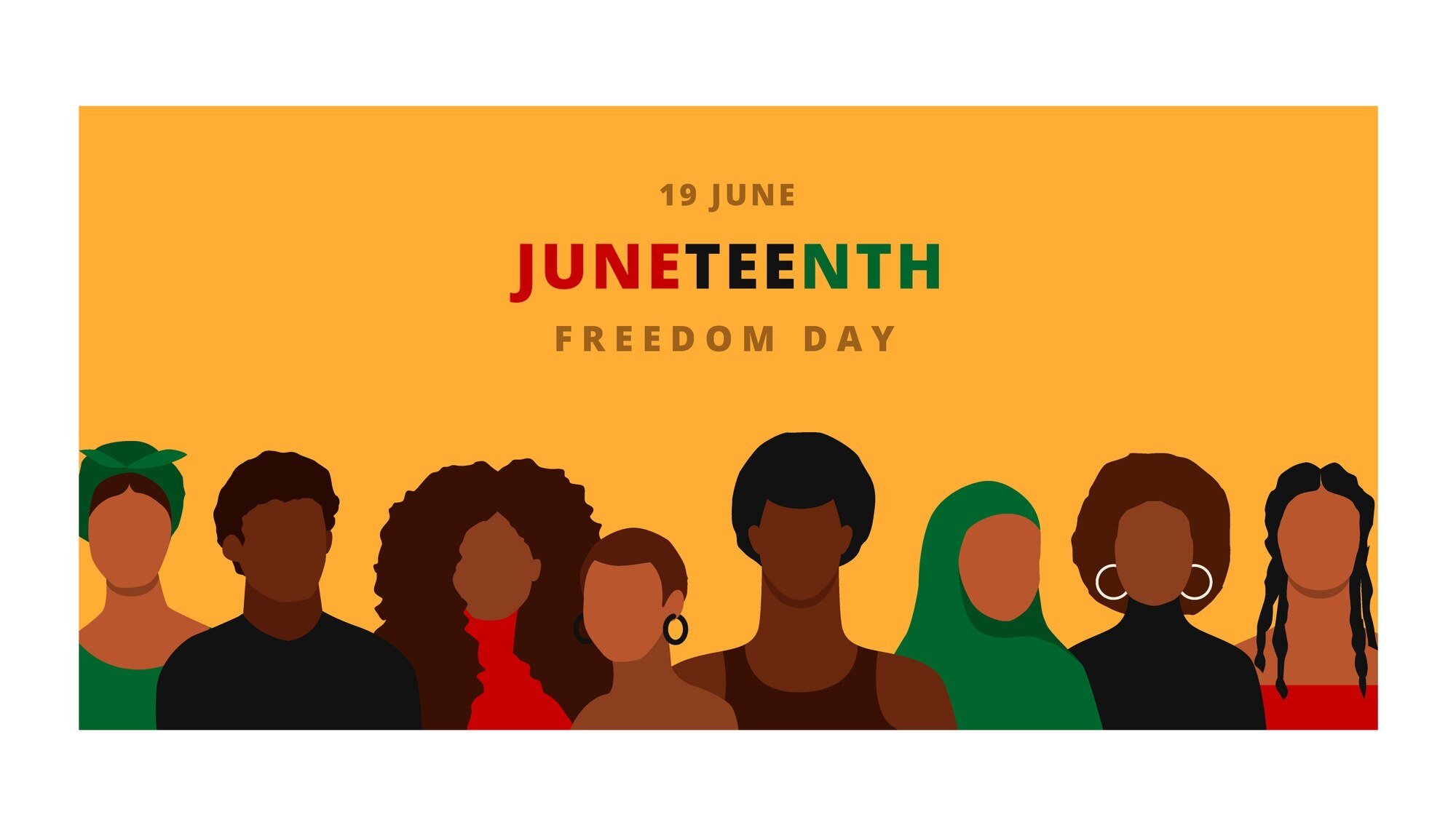
Juneteenth commemorates the end of slavery in the continental United States and is observed as a day for reflection, education, and celebration. In early childhood settings, the goal is not to teach traumatic detail but to honor freedom, resilience, and community. Ground lessons in children's social-emotional development: welcome questions, validate feelings, and connect historical meaning to themes children can grasp—family, freedom to learn, storytelling, music, and food traditions. Use picture books and songs to make the concept accessible while centering respect for families' cultural frames.
How can early childhood programs teach Juneteenth safely and age-appropriately?
Different age groups require different approaches. For infants and toddlers, focus on songs, family photographs, and simple process art that celebrates color and pattern. For preschoolers, introduce storybooks and dramatized read-alouds that highlight community and freedom; follow reads with open-ended art and sensory experiences. For school-age children, add historical storytelling, primary-source images at a sensitive level, and guided discussion prompts that encourage empathy and civic thinking. Across ages, prioritize family collaboration: invite caregivers to share family Juneteenth traditions, books, or recipes and incorporate those materials into your learning environment.
What classroom activities and crafts are developmentally appropriate?
Choose activities that map to learning objectives (fine motor skills, narrative language, social-emotional skills) rather than only a decorative outcome. Examples by age:
- Infants & Toddlers: sensory trays with fabrics in red/black/green (textural exploration), lap rhymes, and a simple freedom-themed story sack to encourage shared attention.
- Preschoolers: process art using torn-paper freedom flags, collaborative murals that represent community, and a story-and-drama center where children act out parts of a simple historical narrative using puppets. Consider the course Art from the Heart for Preschoolers Buy Now $35.00 for open-ended art strategies that support self-esteem while teaching cultural themes.
- School-age: timeline activities, biographies of community leaders using age-appropriate primary-source snippets, and civic projects such as a class 'freedom tree' where children contribute leaves describing things they are grateful for.
For guidance on scaffolding language and supporting Dual Language Learners while teaching culture, see Building Bridges for Dual Language Learners Buy Now $25.00.
How can programs engage families and community partners?
Family engagement is essential. Invite families to co-design celebrations, contribute reading lists, and share songs or recipes. For ideas on connecting food, culture, and hands-on learning during other heritage celebrations, see this Hispanic Heritage Month cooking activity for kids. Public events (when appropriate) can connect children with community history projects—see local celebration pages such as Celebrate Juneteenth in Baltimore for program and community collaboration ideas. Document family contributions in a classroom resource binder and provide take-home activity kits so families can continue the conversation at home.
Which ChildCareEd articles and resources should I link to for planning? Link classroom plans to proven ChildCareEd resources for crafts, stories, and music. Useful internal articles include: Teaching Kids About Juneteenth Through Activities and Crafts, Juneteenth Activities for Kids, Celebrate Juneteenth with Kids: Songs, Stories, and Art, Juneteenth Crafts and Stories, What is Shavuot, Eid al Adha & Juneteenth, and Celebrate Juneteenth in Baltimore. Use these pages as handouts for staff and families; each contains adaptable activity lists and book suggestions suitable for early childhood settings.
How do I evaluate whether an activity is culturally responsive and developmentally appropriate?
Reflect using these criteria: 1) Does the activity center children's agency and process over product? 2) Are family voices and community perspectives represented? 3) Is the language scaffolded for diverse learners? 4) Does the activity avoid glorifying trauma while still acknowledging historical significance? Use observation notes and quick formative checks (photo-documentation, brief child interviews, family feedback forms) to refine activities for subsequent years. For staff professional development aligning DEI with curriculum planning, see Creating Engaging and Meaningful Learning Experiences Buy Now $55.00.
References and further reading
Editorial note: This article needs 1–4 verified external references from authoritative sources (for example: the National Archives, Library of Congress, a state child-care licensing page, or a university early-childhood education resource). Do not add external URLs in production until the sourcing team supplies verified_references. Add each verified source as an inline reference where it supports historical or regulatory claims, and include the full URL here.
Summary: How can I bring Juneteenth learning into my program next week?
Start small: pick one age-appropriate read-aloud, one process-art experience, and invite at least one family to share a short tradition. Document what children say and do, reflect with staff, and iterate. Use the ChildCareEd courses and articles linked above to deepen staff knowledge and ensure activities are inclusive and developmentally appropriate. Tag your planning documents and family flyers with clear, searchable keywords to support program continuity.
- 45 Hour Preschool Methods and Materials
- Children at the Wheel: Emergent Curriculum
- 45 Hour Infant and Toddler Methods and Materials
- 24 Hour Texas Pre-Service
- 45-Hour Infant and Toddler Curriculum
- Creating Engaging and Meaningful Learning Experiences
- Texas Director Credential
- Wellness in Action: Teaching Healthy Habits to Children
- Montessori Cultural Activities: Exploring the World Through Play and Learning
- Rooted in History: Early Childhood
- Juneteenth History and Activities
- Celebrate Juneteenth in Baltimore
- What is Shavuot, Eid al Adha & Juneteenth
- ⏰ Cómo puedo facilitar las transiciones y las rutinas diarias en mi aula?
- ¿Cómo hacer actividades navideñas inclusivas para todas las familias?
- ¿Cuáles son las mejores actividades del Día de la Tierra para niños en casa o en el aula?
- Actividades de Motricidad Gruesa que Desarrollan el Equilibrio, la Coordinación y la Fuerza
- Actividades de Fiesta para Niños de Preescolar y Primaria
- Cómo Trabajar en el Cuidado Infantil en Wisconsin: Requisitos y Pasos
- Teaching Kids About Juneteenth Through Activities and Crafts
- Juneteenth Activities for Kids: Crafts, Books, and Learning Ideas
- Calabazas, hojas y manzanas: actividades de otoño para preescolares
- How can child care programs honor Juneteenth in age-appropriate, respectful ways?
- How Can Early Childhood Programs Introduce Juneteenth in Developmentally Appropriate Ways?
- How Can Child Care Programs Celebrate Juneteenth Through Respectful, Child-Centered Art?
- How Can Coloring Pages Spark Meaningful Historical Conversations About Juneteenth?
- How Can Juneteenth Symbols Build Visual Memory in Young Children?
- How Can Meaningful Juneteenth Vocabulary Support Early Writers?
- How Can Drawing and Dictation Help Children Respond to Juneteenth?
- How Can Early Literacy Experiences Introduce Children to Cultural Celebrations?
