Circle time can be the best part of the day — if it is planned with purpose. Keep your #circletime short, playful, and predictable so children are curious instead of wiggly. This article gives simple, tested ideas you can use tomorrow to boost #engagement and calm the room. You will find song tips, movement breaks, sensory story ideas, and ways to include every child. Also remember: state requirements vary - check your state licensing agency.
Why it matters:
1) When children are engaged they learn more language, social skills, and self-control. 2) A lively, well-paced circle time saves staff time and reduces behavior problems. These small wins help your classroom feel safer and more joyful.
How do I plan circle time that grabs attention right away?
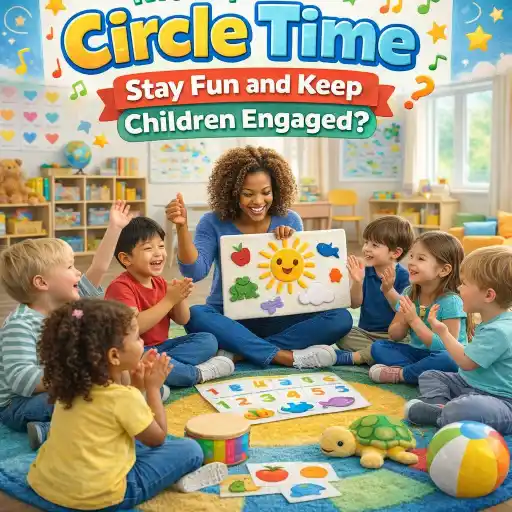
1. Start with a clear routine. Try a greeting song or a short attention cue so kids know circle time has begun. ChildCareEd shares simple opening routines and scripts you can adapt in Circle Time Ideas That Keep Young Children Engaged.
2. Keep a 3-part plan (max):
- 🔔 Welcome (1 minute): greeting song or name game.
- 🎯 Mini lesson (4–8 minutes): one short story, question, or puppet bit.
- 🏁 Wrap (1 minute): goodbye song or helper job.
3. Use props and planned movement. For stories, bring a puppet, felt pieces, or a small prop bag to make the page turn feel like a surprise. The ChildCareEd training Setting the Stage: Story Time Buy Now $25.00 has read-aloud strategies that keep kids watching the whole book.
4. Choose songs that invite actions. See lists of great circle songs in ChildCareEd’s post on Best Songs for Circle Time and in music collections like preschool music and movement.
5. Prep materials in a tub so transitions are quick. One tub per theme saves time and keeps attention strong.
How do I use movement and sensory ideas to keep energy right?
- 🕺 Action songs: Quick classics like “Head, Shoulders…” or a short dance video help reset focus. ChildCareEd and music resources list many action songs you can use.
- 💨 Wiggle resets: Tell children to stretch, shake, or do 5 giant breaths before sitting back down.
- 🌊 Sensory story moments: Add a spray bottle mist for rain, textured fabric for a pet, or a scented flower to make a story come alive. Speech therapists recommend sensory stories for strong language gains during circle time.
2. Use tactile items kids can hold (shakers, soft toys). These let children fidget quietly while listening. The idea of sensory stories and props is also a helpful tool for children working on language and attention.
3. Repeat favorite movement breaks so kids learn the cue. Repetition builds calm and readiness for the next activity.
How can I include every learner and handle transitions smoothly?
- 🖼️ Picture schedule: show the order of circle time on a small card so children know what comes next. This helps many learners and is recommended in ChildCareEd’s transitions guide.
- ✋ Multiple ways to answer: thumbs up/down, pointing to pictures, or holding a prop let children respond without pressure. ChildCareEd’s article on inclusive circle time has simple adaptations.
- 🤝 Circle helper jobs: rotate roles (page-turner, prop holder, song leader) so children feel important and participate.
2. Teach transitions as a skill. Use short warnings (2 minutes, 30 seconds), an attention signal, and a practiced routine. The CSEFEL brief on transitions (What Works Brief #4) gives evidence-based tips for planning and teaching transitions.
3. Make room for individual needs: offer a chair with back support, a fidget tool, or a quiet spot near the teacher. For shy children, use a step-ladder of participation (watch → hold prop → short turn) as suggested in ChildCareEd’s helping shy children article.
How do I manage behavior and avoid common circle time pitfalls?
1. Keep it short and predictable. Toddlers: 5–10 minutes. Preschoolers: 10–20 minutes. If attention drops, end on a high note and try again later. ChildCareEd guidance on ideal lengths and routines is helpful for planning (see circle time ideas).
2. Common mistakes and quick fixes:
- 🚫 Mistake: Too many long talks. ✅ Fix: Break the time into short repeats with movement between.
- 🚫 Mistake: Vague directions. ✅ Fix: Give 1–3 specific steps per child (sit, hands in lap, look here).
- 🚫 Mistake: No practice of cues. ✅ Fix: Practice attention signals briefly every day until automatic.
3. Be calm when interruptions happen. Move a child to a supervised quiet spot and reassess. For health-related interruptions, follow your program’s guidance; ChildCareEd’s health articles offer practical steps for illness during group time (Germs Happen).
4. Use specific praise. Name the action you liked: “I loved how Ana sat quietly and held the shaker.” Specific praise builds repeatable behavior.
5. Reflect and tweak. After circle time, jot 1 quick note: what worked, who struggled, one tweak for next time. Small changes add up fast.
Conclusion
1) Start small: pick one new song, one movement break, and one helper job this week. 2) Use visuals and props to include all learners. 3) Practice transitions and keep circle time short and joyful. For ready lesson ideas, props, and training, see ChildCareEd’s articles and courses linked above.
You’re not alone — try one change and notice the difference. Keep celebrating small wins: more listening, more smiles, and a calmer day. #routines #movement #inclusion
1. Plan short movement breaks that match your group’s age (2–3 minutes):1. Use visuals and choices:- 45 Hour Child Growth and Development
- Moving About the Classroom: Effective Transitions for Everyday
- 45 Hour Preschool Methods and Materials
- Bienvenido! Welcoming All Families
- 45 Hour Infant and Toddler Methods and Materials
- Pediatric RSV First Aid & CPR/AED
- 45 Hour School Age Methods and Materials
- Texas Director Credential
- How to Celebrate the Fourth of July in Your Center or Daycare
- How can I teach colors, shapes & numbers through play in Michigan classrooms?
- What Should You Do When a Child Refuses to Participate in North Dakota Childcare?
- How can circle time stay fun and keep children engaged?
- Fall Circle Time Ideas for Preschool and Daycare
- How Do I Plan a Strong Preschool Curriculum?
- Circle Time Activities That Build Listening and Social Skills
- Circle Time Songs, Games, and Questions for Kids
- Canciones, juegos y preguntas de círculo para niños
- Preschool Circle Time Ideas for Learning and Connection
- How Can I Make Circle Time Activities Work for Preschoolers?
- How can we build a Minnesota summer program that keeps school-agers engaged?
- What are fun, practical school-age activities for my daycare program?
- What are fun, practical school-age daycare activity ideas for teachers?
- How can I plan activities for school-age children in daycare?
- How can I create meaningful circle-time experiences that engage every child?
- Circle Time Topics Beyond Weather, Days of the Week, and the Calendar
- How Long Should Circle Time Be for Preschoolers?
- How Do You Keep Preschoolers Engaged During Group Activities?
- How Can Teachers Make Circle Time Work for Children with Short Attention Spans?
