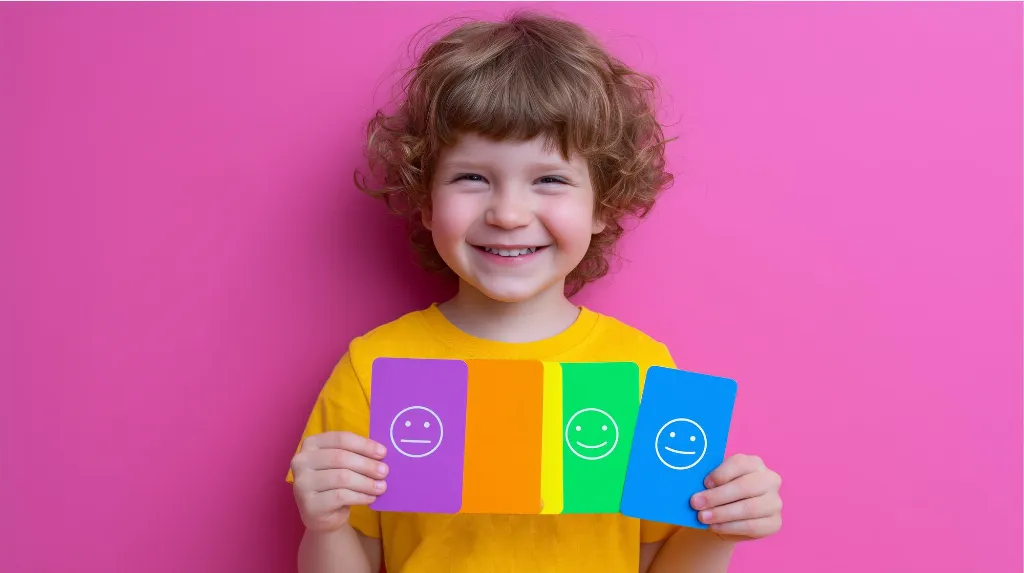
 Young children feel a lot—fast! Emotion sorting is a playful, low-pressure way to help them name emotions, read faces, and practice calming choices. Use this guide to set up an easy activity you can run during circle time, small groups, or learning centers. These ideas connect with ChildCareEd resources like Big Feelings, Little Hands and downloadable sorting tools such as the Emotions Sorting Activity PDF Buy Now $0.00.
What is an emotion sorting activity and how do I set it up?
An emotion sorting activity asks children to match pictures, faces, dolls, or objects into emotion categories (for example: happy, sad, mad, scared, calm). Sorting teaches early #math skills and #feelings words at the same time. You can use simple, low-cost materials and make the center permanent so kids return to it independently.
For more examples and printable ideas see Emotion Sorting Activities Birth-Kindergarten Buy Now $0.00.
Materials:
- 😊 Picture cards or photos (faces, emojis, or children making expressions)
- 📚 Small baskets, paper plates, or taped floor spots for emotion homes
- 🧸 Stuffed animals or dolls for role-play
- ✂️ Laminator or sheet protectors for durability (optional)
- 🧠 Calm-down tool examples (breathing ball, squeeze toy, visual cards)
Setup steps (quick):
- Label 3–5 emotion homes (start with 2–3 for toddlers).
- Place cards in a basket for children to pull one at a time.
- Invite one child to sort and say a sentence: “This looks happy because the mouth is up.”
- Model the next step: pick a calm-down tool or idea for that feeling.
- Keep rounds short (3–5 minutes) so children stay engaged.
For ready-to-use downloads and lesson ideas, check the free activity pack at ChildCareEd Emotions Sorting Activity Buy Now $0.00.
How can I teach emotion sorting so children learn without feeling pressured?
Teaching feelings works best when children feel safe and curious. Use these teacher-friendly steps that match what many early childhood experts recommend:
- Model the word: say the feeling out loud while pointing to clues. Example: “Your eyebrows are together. That looks like mad.”
- Child practices: let the child choose the card and place it in a home. Offer simple praise for trying.
- Teach a next step: always add a small coping idea like breathing, counting, or asking for help.
Why it matters: Naming feelings builds emotional literacy. When children have words for emotions they can explain needs instead of acting out. This supports #emotion recognition, #SEL learning, and classroom cooperation. For background on emotional vocabulary and teaching strategies see the ChildCareEd article The Superpower of Emotions and research-based tips at CSEFEL.
Age adjustments:
- Infants: mirror faces and calm voice labels ("You’re upset; I’m here.").
- Toddlers: 2 feelings to start (happy/sad). Use large pictures and quick sorting.
- Preschool: add 3–5 feelings, ask “What happened?” and suggest 1 coping idea. For more preschool-specific activities that help children understand and express their emotions, see Exploring Emotions: Fun and Educational Preschool Activities.
- Pre-K/Kindergarten: sort by intensity (small/medium/big) and choose a calm plan.
Tip: keep teaching times short and playful—practicing in calm moments makes the skill usable during big moments later.
Which games and variations will keep children engaged?
Emotion sorting can be turned into many playful games. Below are easy-to-run options you can rotate through your week. See more activity ideas and printables at Big Feelings, Little Hands and matching games at Emotions Match Activity Buy Now $0.00.
- 😊 Emotion Basket Grab: children pull a card and sort it into the right basket. Start with two baskets and add more over time.
- 🧸 Stuffed Animal Feelings Sort: give animals a feeling and explain why. Great for pretend play and empathy building.
- 📷 Photo Sort (Real Faces): use photos of real kids showing feelings—helps children see variation across faces.
- 🏃 Movement Sort (Big Body): place emotion labels on the floor. Call out an emotion and a movement (e.g., “Happy—jump!”) and kids move to that spot.
- 📖 Story Sort: after reading, ask children to place cards for how the character felt at key moments.
- 🧘 Calm-Down Tool Sort: sort items into categories like “Helps my body” or “Helps my voice.” This links feelings to action.
Mix it up for different ages: use clip cards for toddlers, playdough mats for preschoolers (see child-friendly mats at Today I Feel Mats), and emotion charades for older children. For printable PDFs and mixed-age options try the ChildCareEd downloadable activities: Emotions Sorting Activity Buy Now $0.00 and My Book of Emotions Buy Now $0.00.
What common mistakes happen and how do I avoid them?
Avoid these pitfalls so emotion sorting stays helpful and safe for children.
- 😕 Mistake 1: Teaching only when a child is upset. Fix: Practice during calm times so skills are ready when needed.
- 🔢 Mistake 2: Too many emotions at once. Fix: Start with 2–3 and add slowly.
- ✋ Mistake 3: Correcting a child’s feeling (“You’re not mad!”). Fix: Validate first: “You might feel mad or disappointed. Let’s look.”
- ❌ Mistake 4: Skipping the “what helps” step. Fix: Always pair a feeling with one small, doable tool (breath, squeeze, ask).
- 🕒 Mistake 5: Long activities that lose attention. Fix: Keep rounds 3–7 minutes or set up independent center materials.
FAQ (quick answers):
- Q: What if a child picks the “wrong” card? A: Ask them to tell you about it; model gently and offer another choice.
- Q: Should I force talk about feelings? A: No. Offer choices: point, show with face, or pick a card.
- Q: Can sorting help behavior? A: Yes—naming feelings + practicing calm tools reduces big outbursts over time when adults stay consistent.
- Q: Where can I find printables? A: ChildCareEd offers free PDFs like Emotions Sorting Activity Buy Now $0.00.
Common training to support staff: consider courses like Brighter Futures: Social Emotional Development  Buy Now $16.00 or The ABCs of Behavior Buy Now
 $55.00$45.00 to deepen your team’s practice.
Conclusion
Emotion sorting is simple, flexible, and powerful. Start small, use real faces, add calming tools, and practice often. You’ll see children use words instead of big actions. Keep materials handy so children can practice on their own during free choice. If you want ready-made lessons and PDFs, explore ChildCareEd’s activity library and courses for more supports.
- CDA Subject Area 3
- CDA Home Visitor Subject Area 3 Part 3 Birth to 5
- Social Foundations and Responsive Classrooms
- Early Emotional Wellness
- Opportunity for Growth: Emotional Development
- Are They Ready for Kindergarten?
- Emergent Learning & Development
- Brighter Futures: Social Emotional Development
- Staying Positive: Guidance for Preschoolers
- Growing the Whole Child: Health, Emotions & Early Learning
- Cómo Celebrar el Día Nacional del Kindergarten
- Emotion Sorting Activities for Social-Emotional Learning
- How to Teach Feelings with an Emotion Sorting Activity
- Emotion Sorting for Kids: Learning Feelings Through Play
- Can we tame the ‘monsters’ of big emotions in young children?
- How can friendly-monster crafts teach children about feelings?
- Can a Superhero Week Help Preschoolers Learn to Name and Manage Emotions?
- How Can Child Care Programs Best Support Young Children's Emotional Wellbeing?
- How can we help children identify and express emotions in child care?
- How can child care providers teach children to name and manage emotions?
- How can we build emotional vocabulary through books and play?
- Feelings Activities for Toddlers: Building Social and Emotional Skills
- Happy or Sad? Preschool Activities That Help Children Read Emotional Clues
- Feelings Activities for Toddlers: Point, Move, Match, and Name It
- Can You Guess the Feeling? Emotion Games for Pre-K Kids
- How Can Child Care Providers Teach Feelings to Preschoolers Through Simple Activities?
- How Can You Help a Child Hold Two Feelings About the Same Event?
- How Can Providers Use Feelings Pictures with Autistic Children Without Making Assumptions?
- How Can Child Care Providers Help Children Repair a Conflict Beyond “Say Sorry”?
- How Can Emotion Sorting Help Preschoolers Explain What Happened?
