i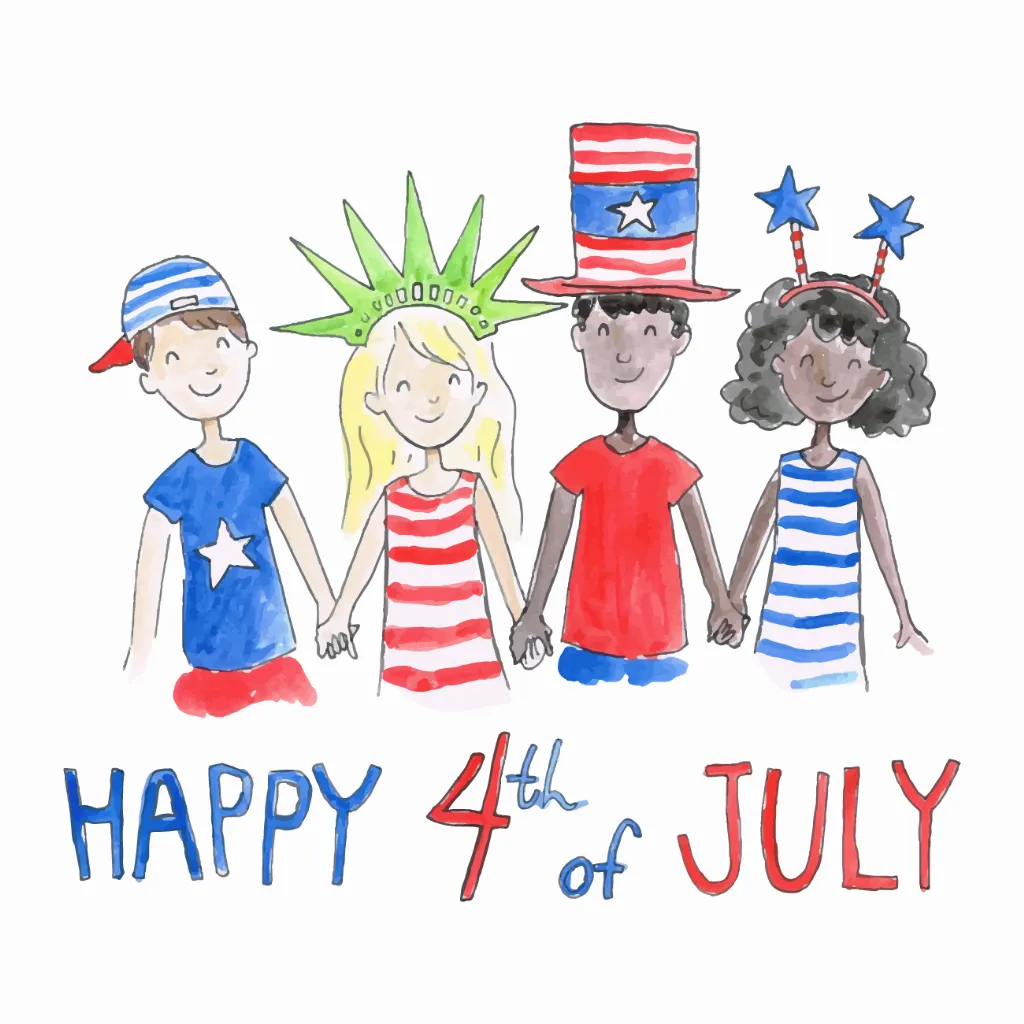 Planning a short, meaningful Fourth of July celebration for your #preschoolers can be fun and low-stress. Keep celebrations calm, inclusive, and focused on learning through play. This guide helps child care providers and directors pick easy crafts, sensory play, movement, and simple lessons about flags, helpers, and community.
How do I plan a calm, inclusive Fourth of July celebration?
- 📋 Decide the length: plan 2–3 short activity blocks (each 10–20 minutes for young children).
- 🧑🤝🧑 Choose the goals: e.g., practice counting, color words, and community helpers.
- 🎯 Pick 2–3 stations (craft, sensory, movement/ parade). Fewer stations = calmer day.
- 📣 Prepare scripts: short, concrete lines for circle time (one book, one question).
- 📝 Share the plan with staff and families and post simple pictures of stations for substitutes.
- 🔎 Use ready resources like Stars & Stripes Celebration: Independence Day Classroom Activities for templates and ideas. For other seasonal celebration ideas—simple crafts, sensory-play suggestions, and short circle-time scripts—see our Happy Groundhog Day activities post.
Tip: keep explanations concrete ("This is a flag. We use colors to show community.") and use "some families" language so children know celebrations look different at home. For brief, age-appropriate lesson plans and simple facts you can share about the flag, see Flag Day activities and background for young children.
What age-appropriate activities work well in my center?
Choose activities that match children’s ages and attention spans. Use rotation and small groups to keep children engaged and supervised. Here are simple choices by type:
- 🎨 Crafts (fine motor):
- Sponge-painted flags or torn-paper collages (toddler-friendly).
- Star stamping or windsocks (preschool fine-motor practice).
- 🧪 Sensory (hands-on learning):
- Red/white/blue sensory bin with scoops and tongs.
- Shaving cream "fireworks" tray for supervised messy play.
- 🎵 Movement (gross motor):
- Short parade with scarves or ribbon wands.
- Bubble-wrap stomp or "fireworks" movement game for energy release.
- 📚 Circle/learning: read one short book, count stars or make simple color patterns.
Rotate children through 2–3 stations. For more activity packs and printable ideas, check the ChildCareEd activity library like resource collections Buy Now $0.00 or the classroom celebration post above for quick lesson ideas.
How do I keep children safe and follow rules during celebrations?
Safety and licensing come first. Use a checklist and brief staff training before the day. Key safety steps:
✅ Use only non-toxic, washable art supplies and label stations by age.
✅ Avoid small parts for infants and young toddlers; store them out of reach.
✅ Never use real fireworks or sparklers at the center—use quiet, pretend options instead.
✅ Supervise sensory bins closely to prevent choking; limit who can access them.
✅ For snacks or picnics, follow food-safety rules (wash hands, keep perishable foods chilled) and consult guidance like the CDC food safety.
✅ Post simple staff roles: who supervises which station, and how to transition groups safely.
Common safety reminders: double-check allergies and permission slips, have quiet options for children bothered by noise, and plan crowd control for popular stations (e.g., 4 children max). Remember: state requirements vary - check your state licensing agency before food or visitor plans.
How can I involve families and avoid common mistakes?
Family involvement builds community but keep it low-pressure and optional. Try these ideas:
📨 Send a short family note with the schedule and an invite to a 20–30 minute outdoor display or picnic (if allowed).
🎒 Send home one simple take-home: a book suggestion, a coloring page, or a quick family question ("How does your family celebrate?").
🤝 Offer a community-helper theme instead of heavy history—invite a local helper for a brief visit following visitor policies.
📸 Share photos (private group) and a one-line learning note: what children counted or made that day.
How to avoid common mistakes:
- ❌ Too many stations → ✅ Choose 2–3 and rotate.
- ❌ Long circle talks → ✅ Keep to 8–10 minutes and use visuals.
- ❌ Food without clear rules → ✅ Use permission slips and follow licensing and food-safety rules.
- ❌ Loud surprises for sensitive children → ✅ Offer quiet alternatives and warnings.
Quick FAQ (for easy staff reference):
- Q: Can we show fireworks videos? A: Short, calm clips can be fine—preview for loud sounds and offer a choice to opt out.
- Q: How long should each activity be? A: 8–20 minutes depending on age; preschoolers often do best with 10–15 minute bursts.
- Q: Can families bring food? A: Only if your policies and state licensing allow it—collect allergy info and permissions first.
- Q: What if a child is upset? A: Offer a quiet space and a calm-down bottle or sensory alternative.
Conclusion
A simple, thoughtful Fourth of July celebration can teach #activities, #safety, and community while being fun for children and easy for staff. Keep things short: 2–3 stations, one short book, a little counting, and hands-on play. Use ready ChildCareEd ideas like Stars & Stripes Celebration and activity collections to save prep time.
State requirements vary - check your state licensing agency, follow food-safety rules, and choose pretend fireworks instead of real ones. Have a calm, meaningful day that celebrates community and learning together. Thank you for making celebrations safe and joyful for our children and families.
- 4th of July Fun Facts
- CDA Certification en Español: Recursos y Consejos para Educadores Bilingües
- Cómo Abrir Una Quardería En Casa Sin Dinero?
- ¿Cómo solicito la licencia para una guardería en California?
- Regulaciones de Cuidado Infantil en Maryland para Centros y Hogares de Cuidado Infantil Familiar
- Regulaciones de Licenciamiento de Cuidado Infantil en California para Centros y Hogares de Cuidado Infantil Familiar
- Lista para Abrir una Guardería en Casa en Dakota del Norte: Cómo Empezar
- Lista para Guardería en Casa en Illinois: Cómo Iniciar una Guardería en el Hogar
- Cómo Trabajar en el Cuidado Infantil en California: Requisitos y Pasos
- Cómo Ser Maestra de Preescolar en Illinois
- Las Mejores Ideas de Excursiones para Guarderías en Texas
- How to Celebrate the Fourth of July in Your Center or Daycare
- Celebrando la amistad en el cuidado infantil durante el Día de los Mejores Amigos
- Diversión fresca de verano: actividades del Día Nacional del Helado para niños
- La mejor manera de hacer seguimiento a la capacitación de su equipo de daycare How to Organize Staff Training for Your Child Care Center Cómo organizar la capacitación del personal para su centro de cuidado infantil
- How can Minnesota child care providers keep young children safe around Fourth of July fireworks?
- How can child care programs keep kids safe on the Fourth of July in North Dakota?
- How can my New York program help sensory-sensitive children cope with fireworks noise?
- How can Michigan providers keep children safe around fireworks this Fourth of July?
- What are age-appropriate Fourth of July activities for daycares?
