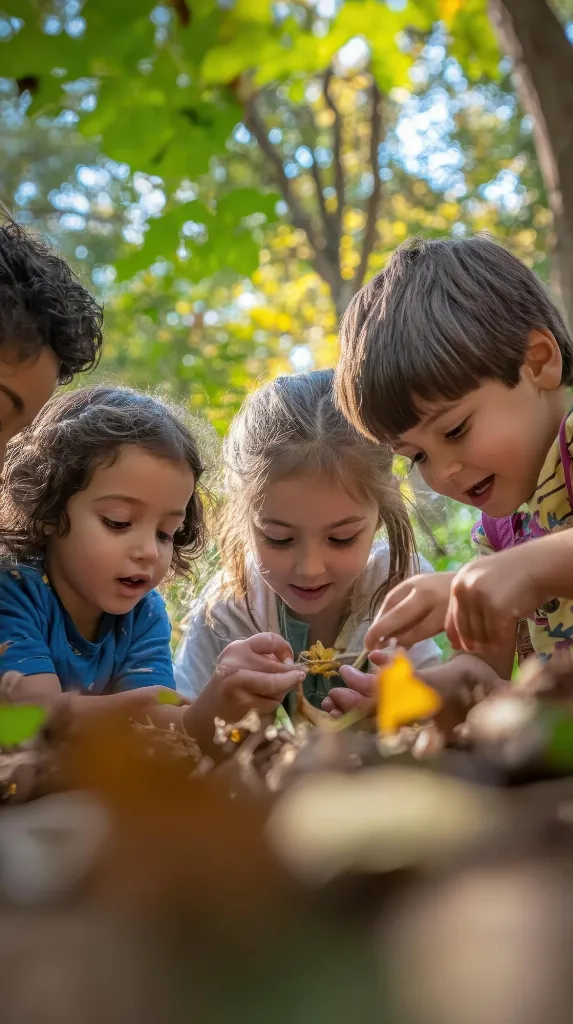
 Outdoor learning gives children fresh air, movement, and hands-on ways to learn. It can be simple, low-cost, and fun for both staff and families. In California, outdoor time can look different from one program to another because the weather changes by region. Some places are hot and dry. Others are cool, windy, or smoky at times. Even so, outdoor learning can still work all year when teachers plan safe routines and easy activities. #California #OutdoorLearning #ChildCare
Why does year-round outdoor learning matter in California?
Outdoor learning gives children a chance to move, explore, and learn in a natural way. In California, programs can often use outdoor time in every season, but activities may look different depending on the weather and the area where your program is located.
Some programs are near the beach. Others are in the mountains, valleys, or desert. Even with these differences, outdoor learning can be a strong part of the day all year long.
Outdoor time helps children:
- build strong gross motor skills
- explore with their senses
- practice language and social skills
- feel calmer and more focused
It also helps staff connect outdoor play to lessons they are already teaching indoors. Children can practice science, math, language, and problem-solving while they play outside. #California #OutdoorPlay #Learning
ChildCareEd also offers helpful support with:
How can child care programs use outdoor learning ideas for all seasons?
and the course
Creating the Natural Outdoor Classroom  Buy Now $16.00
What simple nature play ideas work in every season?
Outdoor learning does not have to be complicated. Simple nature play ideas can work in every season and for many age groups.
Here are some easy ideas:
- Outdoor story corner: Bring books, a blanket, and a few natural items like leaves or sticks. This helps build vocabulary and storytelling skills.
- Scavenger hunts: Use picture lists for toddlers and simple word lists for preschoolers. Change the items by season.
- Simple STEM stations: Water play, measuring cups, and loose parts can support science and math.
- Mini gardening: Plant herbs, flowers, or beans so children can watch things grow.
- Nature art: Use leaves, rocks, sticks, and flowers for simple art projects.
- Bird and bug watching: Use magnifiers and picture cards to help children look closely at nature.
These activities are easy to rotate through the year. They also make outdoor time feel fresh and interesting.
Helpful ideas can also be found here: Little Explorers and The Outdoor Classroom.
A simple outdoor kit can help staff stay ready. This kit might include:
- clipboards
- wipes
- magnifiers
- labeled cups
- sunscreen
- a small first-aid kit
- a camera
How can programs adjust outdoor learning for California weather?
California weather can change a lot by region and by season. Some days may be sunny and mild. Other days may bring heat, wind, poor air quality, or wildfire smoke.
That is why it helps to have a simple weather plan. Staff can use a traffic-light style plan to decide whether to:
- go outside as usual
- shorten outdoor time
- change the activity
- stay indoors
Check out: California Weather & Outdoor Time at Daycare
Before going outside, check:
- temperature
- wind
- UV levels
- air quality
On hot or smoky days, you may need to shorten outdoor time or choose quieter activities. Chalk, bubbles, or simple nature walks may work better than running games.
Stay indoors when outdoor conditions are not safe, such as:
- thunder or lightning
- very poor air quality
- unsafe playground surfaces
- extreme heat
For sunny or hot days, remember to:
- offer water often
- use shaded areas
- follow sunscreen permissions from families
- plan active play for cooler parts of the day
How can outdoor play support learning goals?
Outdoor play is more than a break from the classroom. It can support many learning goals in simple ways.
For example, children can:
- count seeds or leaves for math
- watch plants grow for science
- tell stories about what they see for language
- work together during play for social development
Try planning just one or two learning goals for each outdoor block. This keeps things simple and helps staff stay focused.
Loose parts like stones, sticks, buckets, and fabric can also support open-ended play. These materials encourage problem-solving, creativity, and teamwork.
A helpful ChildCareEd course for planning outdoor spaces is: CDA: Creating the Outdoor Classroom Buy Now $16.00
How can programs include all children in outdoor play?
Outdoor learning should work for every child. Some children may need simple changes so they can join fully and safely.
Helpful adjustments may include:
- tactile materials
- high-contrast markers
- sound-based games
- wider paths
- adapted tools
- extra support from staff
These small changes can make outdoor time more welcoming and successful for all children.
Where should programs start?
The best way to begin is to start small.
Try one simple step first, such as:
- adding a 15 to 20 minute outdoor block
- creating one outdoor activity station
- planting one small garden pot
- making a basic outdoor learning kit
Then build from there based on what works well for your staff and children.
For more ideas and training, visit: Creating the Natural Outdoor Classroom Buy Now $16.00 and ChildCareEd seasonal ideas
Conclusion
Year-round outdoor learning can be a strong part of child care in California. It gives children movement, fresh air, hands-on learning, and a chance to explore the world around them.
Programs do not need a perfect outdoor classroom to get started. Small, simple activities can make a big difference. When staff use clear routines, weather plans, and easy nature play ideas, outdoor time can become a safe and meaningful part of the day. #Children #Safety #OutdoorLearning
- Creating the Natural Outdoor Classroom
- CDA Infants/Toddlers: Health and Safety
- CDA Infants/Toddlers: Abuse and Neglect Reporting Requisites
- CDA: Creating the Outdoor Classroom
- CDA Infants/Toddlers: Classroom Setup
- CDA Infants/Toddlers: Brain Development and Gene Expression
- CDA Infants/Toddlers: Smart Nutrition & Feeding
- Family Child Care: Building, Premises, and Outdoor Safety
- CDA Home Visitor Subject Area 8 Part 1 Birth to 5
- Shoo, Germs! Don't Bother Me!
- Today Is Earth Day!
- Why Does Outdoor Learning for Toddlers and Preschoolers Matter?
- Outdoor Learning in California: Nature Play Ideas That Work Year-Round
- ¿Cuáles son las mejores actividades del Día de la Tierra para niños en casa o en el aula?
- Actividades de Otoño Fáciles para Preescolares esta Temporada
- Consejos de Supervisión Activa para Salones de Preescolar y el Juego al Aire Libre
- Best Daycare Field Trip Ideas in California
- How can I use beach and ocean-themed summer activities in my California early childhood classroom?
- What California children’s museums best support hands-on preschool learning?
- How can we teach children through play?
- Can Toddlers Do STEM in the Sandbox at Minnesota Daycares?
- Canciones, juegos y preguntas de círculo para niños
- Pasadena Playbook: Fresh Classroom Ideas Inspired by California’s 2026 Early Childhood Education Conference
- How can Minnesota child care programs keep kids learning and engaged over the summer?
- How can outdoor learning help young children grow and learn?
- How can we plan fun, safe outdoor activities for school-age daycare programs?
- How can school-age daycare use outdoor activities to teach, play, and stay safe?
- Why Should Early Childhood Programs Prioritize Outdoor Play?
- How can small playgrounds be transformed into engaging learning environments using natural materials?
- Too Wiggly to Sit? Fall Movement Activities Toddlers Will Love
