 Field trips give children chances to explore their world. They can be fun, hands-on, and full of learning. This guide is for child care providers and directors who plan outings in #Wisconsin.
It focuses on thoughtful choices for young learners, safety, and simple ways to link trips to your classroom goals. Here are top ideas for #fieldtrips with #children that focus on #safety and #learning. State requirements vary - check your state licensing agency.
What local places in Wisconsin are perfect for daycare field trips?
Wisconsin has many places that match preschool and school-age groups. Pick spots that are close, simple to supervise, and offer sensory learning.
- 🖼️ Children's museums — Many have hands-on exhibits just for young kids. For example, the Central Wisconsin Children's Museum offers art studios, a STEM lab, and a quiet sensory space that work well for mixed ages (Central Wisconsin Children's Museum exhibits).
- 🎨 Art studios — Places like the Northwoods Children's Museum Art Studio let kids explore light, color, and tactile projects (Northwoods Art Studio).
- 🌲 Nature centers and parks — The Carpenter Nature Center runs guided hikes, preschool story time, and seasonal programs that teach about animals and habitats (Carpenter Nature Center).
- 🐄 Petting farms and gardens — Great for sensory play, learning about plants and animals, and short outdoor visits.
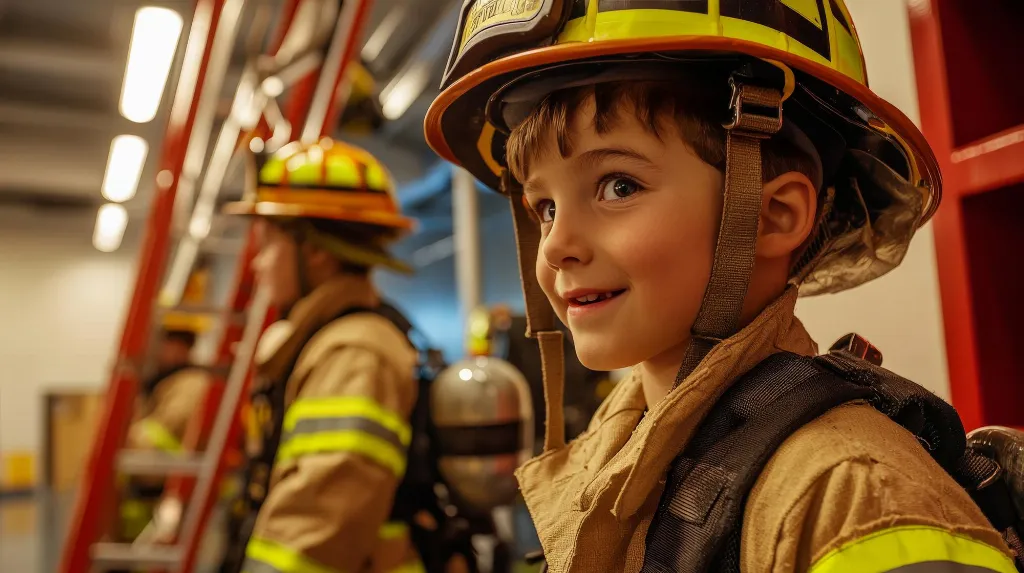
- 📚 Libraries, fire stations, and farms — Low-cost, local visits that support community learning.
Tip: Match the site to children’s age and attention span. For more general field trip ideas and activity links, see ChildCareEd’s list of fun field trip ideas (Fun Field Trip Ideas).
How do I plan and prepare a safe, simple field trip?
Good planning reduces stress. Use a clear plan with roles, permissions, and a learning goal. ChildCareEd’s Field Trip Planning resources explain these steps in detail (Field Trip Planning).
👥 Staffing: Assign who leads, who counts, and who carries medications. Confirm ratios before you go.
🧭 Learning goal: Pick one simple lesson goal to link the trip to classroom activities.
🔁 Practice transitions: Tell children what happens at each step (bus, arrival, activity, snack, back to bus).
📲 Emergency kit: Bring first-aid, phone, meds, water, and a roster.
Clear steps help everyone feel calm. When families know the plan, they trust the outing. For more course-based planning help, consider ChildCareEd’s training Enriching Education: Field Trips  Buy Now $16.00.
How can I keep children safe during transportation and at the site?
Safety is your top priority. Use active supervision and specific safety checks. ChildCareEd offers training on transportation and field trip safety that covers supervision, passenger restraints, and vehicle checks (Transportation and Field Trip Safety Buy Now $25.00).
🚌 Before you load: Check driver credentials and vehicle safety. Do a head count at each transition.
Consider using National School Bus Safety Week materials to reinforce bus behavior with children and to recognize drivers as part of your transportation safety messaging.
🔎 During travel: Use active supervision and seating plans. Have staff sit in different parts of the vehicle. See resources about active supervision on buses (Active supervision on buses Buy Now $0.00).
🆘 On site: Review boundaries, restroom plans, and what to do if a child wanders. Assign staff to small groups and use a buddy system.
💊 Health needs: Carry medications and allergy plans. Share special care instructions with staff ahead of time.
📣 Communication: Share the plan with families and staff. Remind that state requirements vary - check your state licensing agency.
Quick checklist: permission slips, roster, staff roles, emergency kit, water, and a simple plan for bathroom breaks and snacks.
How do I connect field trips to learning and include families?
Field trips are best when they tie to your classroom goals and family partnerships. Use pre-visit, onsite, and follow-up activities to keep learning strong.
📚 Before the trip: Read a book, show photos, and teach a few words or safety rules. Make a short visual schedule so children know what to expect.
🖍️ During the trip: Ask simple questions and encourage observation. Use a scavenger hunt for guided noticing — ChildCareEd has a classroom scavenger hunt resource you can adapt (Scavenger Hunt in the Classroom Buy Now $0.00).
🎨 After the trip: Let children draw, tell stories, or make a class book about what they learned.
🤝 Family involvement: Invite optional photo or story sharing from families. Keep participation optional and respectful of cultural differences.
♿ Inclusion: Plan accommodations for mobility, sensory, or medical needs so every child can join safely.
Common mistakes and how to avoid them:
- ❌ Forgetting roles — Fix: assign and write down clear staff duties.
- ❌ Overpacking the schedule — Fix: keep activities short for young children.
- ❌ Not checking site rules — Fix: call ahead to confirm group policies and costs.
For templates, checklists, and trainings to build confidence, use ChildCareEd’s Field Trip Planning and Transportation Safety resources (Field Trip Planning, Transportation and Field Trip Safety Buy Now $25.00).
Conclusion
Field trips in #Wisconsin can be joyful and meaningful when you plan with learning and #safety in mind. Pick nearby, age-appropriate places like museums and nature centers. Use clear paperwork, staff roles, and active supervision. Link the outing to classroom learning before, during, and after the trip. Families help make trips richer — invite optional sharing and always plan for inclusion. Remember: small, well-run trips often create the biggest memories for children and strong teaching moments for providers.
If you want more help, review ChildCareEd courses and resources about planning and safety (Field Trip Planning, Enriching Education: Field Trips Buy Now $16.00, Transportation and Field Trip Safety Buy Now $25.00).
- Appropriate Precautions in Transportation of Children
- Transportation and Field Trip Safety
- Mastering Supervision: Keeping Children Safe in All Settings
- Transportation and Field Trip Safety in the Early Childhood Environment
- Key Elements of an After School Program
- Creating Environments that Nurture Growth and Community
- Enriching Education: Field Trips
- Child Care Orientation
- Mindful Supervision: Balancing Safety & Independence in Montessori
- CDA Certification en Español: Recursos y Consejos para Educadores Bilingües
- Proporciones de Cuidado Infantil y Tamaños de Grupo por Edad en Wisconsin (Guía Rápida para Centros y Hogares)
- Cómo Trabajar en el Cuidado Infantil en Wisconsin: Requisitos y Pasos
- Capacitación Previa al Servicio para Proveedores de Cuidado Infantil en Wisconsin
- Las Mejores Ideas de Excursiones para Guarderías en Dakota del Norte
- Las Mejores Ideas de Excursiones para Guarderías en Texas
- Las Mejores Ideas de Excursiones para Guarderías en Georgia
- Best Daycare Field Trip Ideas in Wisconsin
- Best Daycare Field Trip Ideas in North Carolina
- Best Daycare Field Trip Ideas in Virginia
- In-Home Daycare Requirements in Wisconsin
- Which Georgia Parks and Nature Centers Are Best for Preschool Field Trip Adventures?
- Summer Field Trips for Daycares in Georgia
- Summer Field Trips for Daycares in Nevada
- Summer Field Trips for Daycares in Texas
- Summer Field Trips for Daycares in Wisconsin
- Summer Field Trips for Daycares in Maryland
- Summer Field Trips for Daycares in North Carolina
- How can North Dakota providers celebrate America’s 250th in age-appropriate ways?
- In-House Field Trips for Kids: Fun Ideas for Daycare
