Rain happens a lot in Washington. A rainy-day field trip to a forest or nature center can be calm, exciting, and full of learning if you plan ahead. This guide helps child care leaders plan trips that are fun, safe, and ready for wet weather. Use the links to ChildCareEd and local resources to build your plan.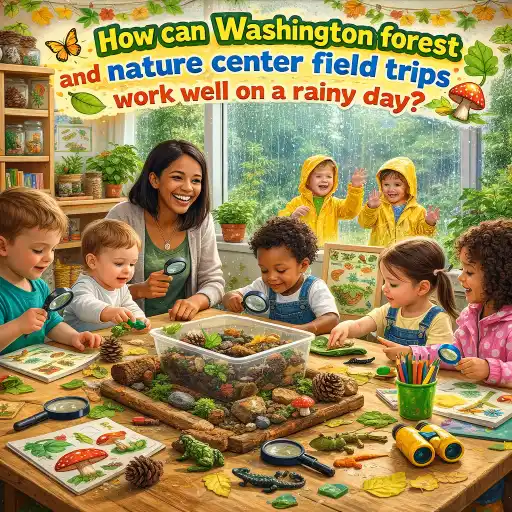
Why it matters:
1. Children get fresh air, movement, and real nature learning even when it rains. Research shows nature improves health and lowers stress — see the University of Washington review on green cities and health as part of urban nature benefits. For practical strategies to support children's mood and energy during darker, colder months, see Mental Health for Tiny Elves: Supporting Kids Through Winter Blues.
2. Rainy trips help kids notice weather, habitats, and plant life in new ways. Practical planning keeps staff calm, families confident, and children safe. For field trip planning basics, start with Field Trip Planning - ChildCareEd.
1) What should we plan for a rainy-day field trip to a Washington forest or nature center?
1. Pick a nearby site and call ahead. Many nature centers will suggest wetter-day routes, covered areas, and safe trails. Use local nature center contacts and consider programs from the Washington Nature Preschool Association for outdoor learning ideas.
2. Paperwork and policy:
1. Get signed permission forms and health info. See the Field Trip Permission Form - ChildCareEd Buy Now $0.00.
2. Confirm staff-to-child ratios and transportation plans in your center policy. ChildCareEd's Field Trip Planning article covers ratios and safety.
3. Pack a rainy-day kit (numbered list helps staff):
1. 🧥 Extra dry clothes, rain boots, and gloves
2. 🩹 First-aid kit, medications, and allergy info
3. 📱 Charged phone and attendance list
4. 🧽 Towels, plastic bags, and hand wipes
5. 🧭 Clipboards, simple scavenger lists, and nature tools
4. Plan short rotations and simple goals (15–30 minute stations). For activity ideas and low-prep rainy projects, see Fun Field Trip Ideas - ChildCareEd and rainy-day activities like Rain Activities for Preschoolers.
2) How do we keep children safe and comfortable in wet weather?
1. Check weather and hazards before you leave. Use a short checklist: temperature, wind, lightning, trail conditions, and air quality. The ChildCareEd weather routines and tools are helpful: Weather & Outdoor Time - ChildCareEd.
2. Lightning rule: "When thunder roars, go indoors." Follow CDC guidance on lightning safety and shelter choices: CDC Lightning Safety. If thunder is near, get everyone inside a safe building or vehicle and wait 30 minutes after the last thunder.
3. Clothing and comfort:
1. Tell families to send layers, waterproof outerwear, and an extra set of clothes. Remember: state requirements vary - check your state licensing agency.
2. Keep a labeled bin of spares on the bus or in your pack.
4. Supervision tips:
1. 🔎 Use active supervision: position staff for clear sight lines and zones.
2. ✅ Assign staff roles (head counter, medical lead, gear manager).
5. Health safety: watch for signs of cold stress, hypothermia, or asthma issues. Staff should also be trained to recognize and respond to hypothermia; see Winter Safety: Managing Hypothermia in Kids with First Aid & CPR Training for practical first-aid steps and recommended training. Trees and green spaces help health and air quality in cities — see UW’s benefits of urban nature at Green Cities: Good Health.
3) How can rainy-day field trips still meet learning goals?
1. Focus on sensory and observation goals. Rain brings smell, sound, texture, and new plant life to notice. Use simple prompts: "What do you hear? How does the bark feel?" For seasonal science ideas, see Winter Wonders - ChildCareEd.
2. Easy learning stations (rotate every 15–25 minutes):
1. 🕵️ Nature scavenger hunt (picture lists)
2. 🎨 Mud or leaf art (process art, not perfect results)
3. 🔬 Simple STEM: measure puddles, test which materials float, watch ice melt
4. 📚 Cozy story stop under a shelter or tarp
3. Document learning with photos and child quotes. ChildCareEd suggests light documentation — photos + a few notes — to show learning without slowing the day: Outdoor Learning All Seasons - ChildCareEd.
4. Make learning inclusive: give quiet roles (recorder, sorter), offer gloves for kids who dislike wet touch, and adapt pace for toddlers. The Washington Nature Preschool community shares practical adaptations on the WANPA blog.
4) What common mistakes should we avoid and how can we prepare families and staff?
1. Common mistakes and fixes:
1. ❌ Too many activities. ✅ Fix: Offer 2–3 simple stations and one outdoor walk.
2. ❌ Poor communication with families. ✅ Fix: Send a clear checklist of clothing, schedule, and meeting points.
3. ❌ No backup plan for shelter or transport. ✅ Fix: Confirm indoor meeting spots and call-ahead shelter with the site.
4. ❌ Forgetting special needs. ✅ Fix: Check health plans and bring meds, spares, and adaptations.
2. Staff training and roles:
1. 📋 Run a brief pre-trip huddle to review roles, signals (whistle, stop word), and emergency steps.
2. 🚑 Assign a medical lead to carry health forms and meds.
3. Family communications (easy steps):
1. Send permission forms and packing lists early. Use the ChildCareEd permission templates: Permission Form - ChildCareEd Buy Now $0.00.
2. Share a day-of phone number and a short itinerary.
4. Why practice matters: do a mock rainy drill with staff so everyone knows the routine. For more tools and activities to use indoors if weather forces cancellation, see rainy-day activity lists like Indoor Gross Motor Ideas and Rain Activities.
Summary
1. A rainy-day field trip in Washington can be a rich learning day with the right plan.
2. Use clear paperwork, roles, and a simple rainy kit. Prioritize safety (lightning rules and active supervision) and keep learning short and sensory.
3. Communicate with families, adapt for health needs, and practice staff routines ahead of time. For more planning help, start with Field Trip Planning - ChildCareEd and the permission templates at ChildCareEd resources Buy Now $0.00.
FAQ
1. Q: What if thunder starts while we are on the trail? A: Move to a safe shelter immediately. Follow CDC lightning rules: CDC.
2. Q: How long should stations be for preschoolers? A: 15–25 minutes per station keeps attention and energy balanced.
3. Q: What if a family can’t afford rain gear? A: Keep a spare gear bin for lending and ask your program for donations or community partners.
4. Q: Should we still count as an outdoor day for licensing? A: Check your policy—state requirements vary - check your state licensing agency.
5. Q: How do we document learning quickly? A: Take photos, jot short notes, and collect 1–2 child quotes. Post one-photo highlights for families.
Enjoy the rain! When you plan simply and prioritize #fieldtrips, #rainyday, #outdoor, #children, and #safety, a wet day in the forest becomes a day of wonder.
- CDA Certification en Español: Recursos y Consejos para Educadores Bilingües
- ¿Cuáles son las mejores actividades del Día de la Tierra para niños en casa o en el aula?
- Regulaciones de Cuidado Infantil en Maryland para Centros y Hogares de Cuidado Infantil Familiar
- Normas de Licenciamiento de Cuidado Infantil en Virginia para Centros Diurnos Infantiles y Hogares Diurnos Familiares
- Proporciones de Cuidado Infantil y Tamaños de Grupo por Edad en Maryland (Guía Rápida para Centros y Hogares)
- Proporciones de Cuidado Infantil y Tamaños de Grupo por Edad en Virginia (Guía Rápida para Centros y Hogares)
- Cómo Trabajar en el Cuidado Infantil en California: Requisitos y Pasos
- Cómo Trabajar en el Cuidado Infantil en Wisconsin: Requisitos y Pasos
- Cómo Ser Maestra de Preescolar en Maryland
- Las Mejores Ideas de Excursiones para Guarderías en Dakota del Norte
- Las Mejores Ideas de Excursiones para Guarderías en Texas
- Las Mejores Ideas de Excursiones para Guarderías en Georgia
- Capacitación Previa al Servicio para Proveedores de Cuidado Infantil en Texas
- Which Georgia Parks and Nature Centers Are Best for Preschool Field Trip Adventures?
- How can Washington forest and nature center field trips work well on a rainy day?
- How can Washington aquariums and marine field trips spark curiosity for young children?
- Summer Field Trips for Daycares in Illinois
- Celebrando la amistad en el cuidado infantil durante el Día de los Mejores Amigos
- Canciones, juegos y preguntas de círculo para niños
- National Massachusetts Day for Kids: Explore the Bay State Through Play
