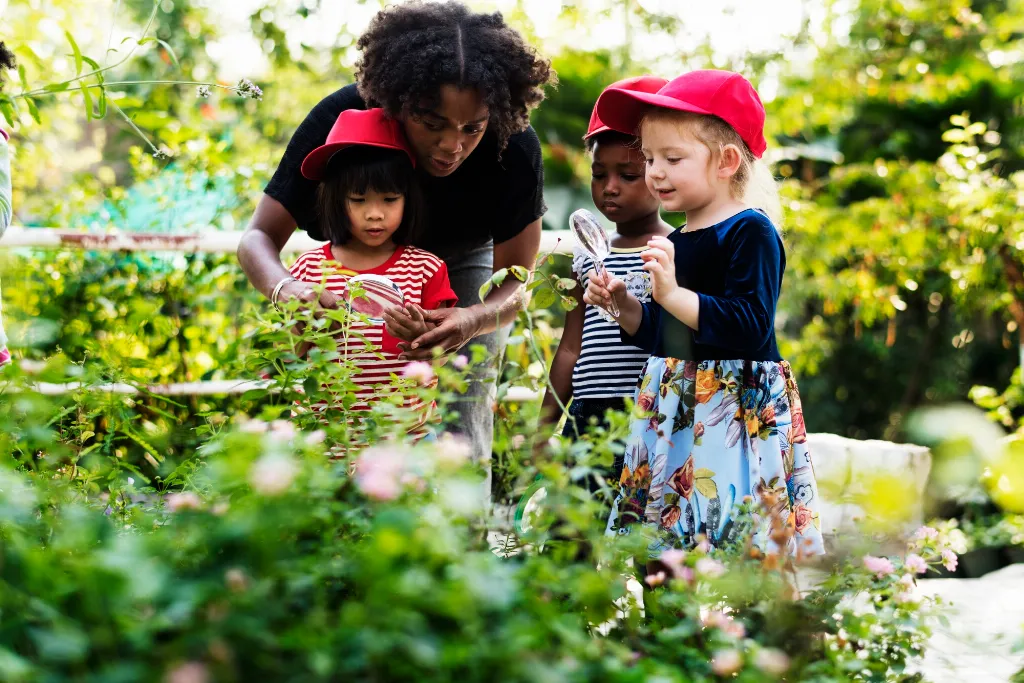
 Field trips are a fun way to help young children learn outside the classroom. This guide helps child care providers and directors in California pick, plan, and run great outings. You will find simple ideas, safety steps, and links to useful ChildCareEd resources like Field Trip Ideas in California and planning tools such as the Field Trip Planning post. Remember: state requirements vary - check your state licensing agency.
Why do field trips matter for young children?
- 🔍 Real-world discovery: Kids meet real animals, plants, or people.
- 🗣️ Language gains: New words come from new places and people.
- 🤝 Social learning: Children practice taking turns and following group rules.
For training and step-by-step help, see ChildCareEd’s course Enriching Education: Field Trips  Buy Now $16.00 and their Transportation and Field Trip Safety Buy Now $25.00 options. These resources make planning easier and safer.
How do I choose safe, developmentally-appropriate field trip locations in California?
🧭 Pick a short trip for the youngest children (under 3 gets very short outings).
🖼️ Choose hands-on places for preschoolers like aquariums or children’s museums.
🌿 Select outdoor nature spots for active play and #outdoor learning.
👮 Choose local community stops (fire station, library) for short, calm visits.
📍 Check access and safety (bathrooms, ramps, shade, walking paths).
Great California examples include the Monterey Bay Coastal Discovery Center for marine life (Monterey Bay Coastal Discovery Center), San Elijo Lagoon Nature Center for wetlands and birds (San Elijo Lagoon), and local nature centers or state parks for easy nature walks (California State Parks ideas).
Also use ChildCareEd’s California field trip ideas article as a starting list: Field Trip Ideas in California for Childcare Providers. Think about travel time, sensory needs, and group size. Keep trips short and focused for the best learning.
How should I plan and prepare step-by-step for a safe field trip?
Good planning makes trips calm and fun. Follow these steps and link to ChildCareEd tools like the Field Trip Permission Form Buy Now $0.00 and safety guidance from Field Trip Planning.
📋 Before you go:
- Get signed permission slips and emergency info from families. (Use the permission form link above.)
- Check allergies, medications, and special needs.
- Visit the site ahead of time or call to ask about group rules and teacher programs.
- Plan staff roles and adult-to-child ratios. State rules vary—state requirements vary - check your state licensing agency.
🎒 Pack essentials:
- First-aid kit, water, snacks (if allowed), sunscreen, and extra clothes.
- Attendance list, emergency contacts, and a charged phone.
- Name tags or bright shirts for each child.
🗣️ Pre-trip learning:
- Talk about the place. Read a book or show pictures.
- Set simple rules: stay with your buddy, follow the teacher, use quiet voices in certain places.
✅ Day of the trip:
- Do head counts often: before departure, on the bus, arriving, during the visit, and leaving.
- Keep groups small and assign each adult a group to watch.
For formal training about transport and supervision, check ChildCareEd’s Transportation and Field Trip Safety Buy Now $25.00 and their online training options. You can also use ChildCareEd’s National School Bus Safety Week resources to reinforce bus-specific safety messages for children and families.
How do I run the trip, include families, and connect learning back at the center?
The day of the trip and the follow-up are where learning sticks. Use these steps to keep children safe and families informed. Also use low-cost ideas so all children can join in the fun.
👋 Arrival and goodbyes:
- Greet families and review drop-off/pick-up plans.
- Confirm medications and who will ride or walk.
🚌 During travel:
- Seat children with staff nearby. Use name tags and buddy systems.
- Do frequent head counts. Use the attendance plan from your permission forms.
🔎 During the visit:
- Keep groups small and focused with a simple learning goal (1–2 things to notice).
- Encourage observation: What do you see? What do you hear? What’s your favorite part?
📸 After the trip:
- Share photos and a short note with families. Parents love hearing concrete details.
- Bring the experience into the classroom: a drawing, a story, or a small project to extend learning.
Low-cost or no-cost ideas include local parks, libraries, neighborhood walks, farmer’s markets, and nearby state parks. You can also invite visitors to your site if transport is hard. For more ideas on outdoor learning, ChildCareEd’s outdoor classroom posts are helpful: Outdoor Learning in California.
Common mistakes and how to avoid them
❌ Rushing the schedule — Fix: Build in extra time for transitions and bathroom breaks.
❌ Not checking the site — Fix: Call ahead or do a short visit to learn the space.
❌ Forgetting special needs or meds — Fix: Review health forms the day before and assign a staff member to manage medicines.
❌ Skipping a follow-up — Fix: Plan a post-trip activity so learning continues.
FAQ
Q: How many adults do I need? A: Follow your licensing ratios and add extra adults for young children. State rules differ—state requirements vary - check your state licensing agency.
Q: What if a child gets lost? A: Have an emergency plan and a staff member responsible for immediate search and parent contact. Use the ChildCareEd checklist for safety activities: Identify safety activities.
Q: Can I bring food? A: Check site rules and allergy plans. Label foods and follow family permissions.
Q: What about transportation safety? A: Use secure seats, follow bus rules, and consider training from ChildCareEd: Transportation and Field Trip Safety Buy Now $25.00.
Conclusion
Field trips in California can be safe, low-cost, and powerful learning experiences. Use simple planning steps, keep trips connected to classroom goals, and rely on tools from ChildCareEd like Fun Field Trip Ideas and permission forms. When staff prepare, supervise well, and follow safety checks, children enjoy hands-on learning that supports growth in many areas. Try one new trip this season and build from what works.
- Appropriate Precautions in Transportation of Children
- CDA Home Visitor Subject Area 3 Part 3 Birth to 5
- Transportation and Field Trip Safety
- Emergent Learning & Development
- Birth to Five CDA Credential with Portfolio Review
- Transportation and Field Trip Safety in the Early Childhood Environment
- Key Elements of an After School Program
- Creating Environments that Nurture Growth and Community
- Enriching Education: Field Trips
- 🚌🌞 Field Trip Ideas in California for Childcare Providers
- Fun Field Trip Ideas for Preschoolers, Elementary Kids, and Summer Camps
- Las Mejores Ideas de Excursiones para Guarderías en Dakota del Norte
- Las Mejores Ideas de Excursiones para Guarderías en Texas
- Las Mejores Ideas de Excursiones para Guarderías en Georgia
- Best Daycare Field Trip Ideas in Wisconsin
- Best Daycare Field Trip Ideas in North Carolina
- Best Daycare Field Trip Ideas in Virginia
- Best Daycare Field Trip Ideas in California
- How can I use beach and ocean-themed summer activities in my California early childhood classroom?
- How can we bring a farmers market and fresh fruit activities to preschoolers in California?
- What California children’s museums best support hands-on preschool learning?
- Which Georgia Parks and Nature Centers Are Best for Preschool Field Trip Adventures?
- Summer Field Trips for Daycares in Georgia
- Summer Field Trips for Daycares in Nevada
- Summer Field Trips for Daycares in Texas
- Summer Field Trips for Daycares in Wisconsin
- Summer Field Trips for Daycares in Maryland
- Summer Field Trips for Daycares in North Carolina
- Summer Field Trips for Daycares in California
