Taking children outside in Oklahoma is simple, joyful, and full of learning. This article helps child care providers and directors plan short nature walks and easy outdoor trips that fit young children’s needs. You will find why outdoor time matters, where to go nearby, how to plan safe trips, and quick activities to try on a walk. Remember: state requirements vary - check your state licensing agency.
Why should we take nature walks with young children?
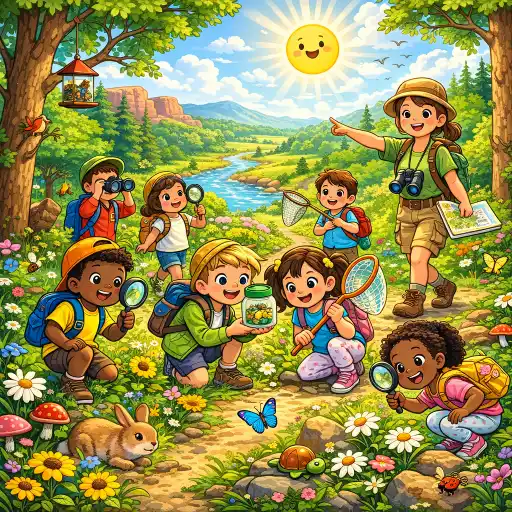
1) Why it matters:
- Nature walks help children use their whole bodies. Outdoor time grows gross motor skills, language, and science thinking as explained by ChildCareEd. These walks also calm children and help their behavior.
2) Benefits you will see:
- 🟢 More active play and better balance.
- 🟢 New words and questions about plants and animals.
- 🟢 Stronger observation and problem-solving.
3) One small step to start: schedule a 20–30 minute walk each day. Use short, focused goals like “find three different leaves” or “listen for two birds.” For more ideas about turning outdoor space into a learning spot, see Little Explorers.
In your #Oklahoma program, plan tiny routines that become habits: greet the outdoors, look, listen, and draw. These routines make the #nature walk into a real #outdoor lesson for #children while keeping #safety in mind.
Where can we take short, local trips in Oklahoma?
- 🌿 Schoolyard or pocket prairie: plant native flowers to attract bugs and birds — see prairie ideas at ChildCareEd prairie activities.
- 🌳 Urban nature trails and parks: choose short loop trails like those listed in state guides and media roundups (for example, see a list of great Oklahoma trails here).
- 🚌 Short field trips: botanic gardens, small state parks, or the programs for kids and teachers.
- 📍 One-hour day trips: choose places with short walks and bathroom access — check lists of day trips and nature parks to pick suitable sites (day trips).
2) How to pick a place:
- Choose easy paths under 1 mile.
- Pick sites with shade, restrooms, and short routes.
- Call ahead to confirm group rules and parking.
How do we plan safe, developmentally appropriate nature walks and trips?
2) Quick planning checklist (use numbered steps):
- 📝 Get parent permission and note medical needs.
- 🩺 Confirm adult-to-child ratios and assign buddies.
- 🔎 Do a daily hazard scan: holes, water, poison plants, or rubble.
- 🧢 Pack sun hats, water, first-aid, and insect checks.
- ☎️ Share itinerary and estimated return time with the center.
3) Watch local rules and licensing: Oklahoma programs should follow state licensing guidance — see Oklahoma Child Care Licensing. Remember: state requirements vary - check your state licensing agency.
4) Common mistakes and how to avoid them:
- 🛑 Mistake: Too long or unstructured walks. Fix: keep walks short with clear observation tasks.
- 🛑 Mistake: Collecting animals and keeping them. Fix: use short observation jars and release after 10–15 minutes.
- 🛑 Mistake: Not preparing for bugs or snakes. Fix: educate staff, stick to paths, and do tick checks.
What simple activities and learning goals work on Oklahoma nature walks?
Use short, clear activities that match learning goals for toddlers and preschoolers. Here are practical ideas you can try right away:
1) Observation and science:
- 🔎 Scavenger hunt: make a list of 5 items (leaf, feather, smooth rock, bird, flower). See scavenger hunt tips for preschoolers at Scholastic. You can also adapt seasonal and themed lists to strengthen color recognition and early pre-literacy skills — see a preschool-ready, easy-to-adapt list and extension activities at Scavenger Hunt January.
- 📷 Photo hunt: staff takes photos while children draw or check off pictures.
2) Sensory and art:
- 🌼 Nature rubbings and leaf prints.
- 🪵 Texture walk: have children step on grass, gravel, and wood and describe feelings.
3) Language and counting:
- ✍️ Nature journal: children draw one thing they noticed and use one new word.
- 🔢 Counting games: count bugs, petals, or steps between two trees.
4) Community science and family links:
- 🧭 Join local events like a BioBlitz or invite a naturalist — this deepens place-based learning and teacher skills (see local event guides). Consider scheduling a simple community stewardship activity—such as a park cleanup or group bird count—to involve children and families; see local Earth Day events and activity ideas at Earth Day events and activity ideas for ways to find and plan these opportunities.
- 📣 Share photos and one vocabulary word with families after each walk to extend learning at home.
Conclusion and quick FAQ
Conclusion: Start small, stay safe, and keep it fun. Pick one routine: a 20-minute daily walk, a weekly pocket prairie check, or a monthly short field trip. Use ChildCareEd resources for ideas and training.
Short FAQ:
- Q: How long should a walk be? A: 20–40 minutes for preschoolers.
- Q: Do we need special permission? A: Yes — get parent consent and list medical info. State requirements vary - check your state licensing agency.
- Q: What about wildlife risks? A: Teach staff to stay on trails, do daily checks, and leave animals alone. See safety guidance at ChildCareEd safety.
- Q: How to involve families? A: Invite them on a walk day, send photos, or host a planting day.
Try one activity this week and watch curiosity grow. For more Oklahoma-specific activities and prairie ideas, see Oklahoma prairie activities and local trail lists like picture-perfect trails.
1) Nearby ideas that are toddler- and preschool-friendly:1) Safety first: follow simple steps from planning to follow-up. ChildCareEd’s guidance on outdoor hazards and precautions is helpful when you set rules and checklists: Creating Safe Outdoor Play Environments.- Creating the Natural Outdoor Classroom
- CDA Home Visitor Subject Area 3 Part 3 Birth to 5
- 1,2,3, Eyes on Me: Classroom Safety
- CDA: Creating the Outdoor Classroom
- Potty Training Made Simple
- Sensitive Periods in Montessori: Guiding Natural Learning
- Texas Director Credential
- CDA Subject Area 1
- Mindful Supervision: Balancing Safety & Independence in Montessori
- Today Is Earth Day!
- 🔍 ¿Qué ves cuando observas a un niño aprender?
- ¿Cuáles son las mejores actividades del Día de la Tierra para niños en casa o en el aula?
- Proporciones de Cuidado Infantil y Tamaños de Grupo por Edad en Nueva Jersey (Guía Rápida para Centros y Hogares)
- Proporciones de Cuidado Infantil y Tamaños de Grupo por Edad en Virginia (Guía Rápida para Centros y Hogares)
- Actividades de Otoño Fáciles para Preescolares esta Temporada
- Consejos de Supervisión Activa para Salones de Preescolar y el Juego al Aire Libre
- Cómo Trabajar en el Cuidado Infantil en Carolina del Norte: Requisitos y Pasos
- Las Mejores Ideas de Excursiones para Guarderías en Georgia
- Best Daycare Field Trip Ideas in California
- How can childcare teams lead safe, fun nature walks in Georgia parks and gardens?
- How can we use prairie animals and nature activities with young children in Oklahoma?
- How can Texas childcare providers use wildlife and outdoor discovery to teach young children?
- Which Georgia Parks and Nature Centers Are Best for Preschool Field Trip Adventures?
- How can Oklahoma nature walks and outdoor trips teach young children?
- Summer Field Trips for Daycares in Georgia
- Summer Field Trips for Daycares in Texas
- Celebrando la amistad en el cuidado infantil durante el Día de los Mejores Amigos
- How can childcare programs teach young children about the Everglades safely while growing curiosity?
- Canciones, juegos y preguntas de círculo para niños
