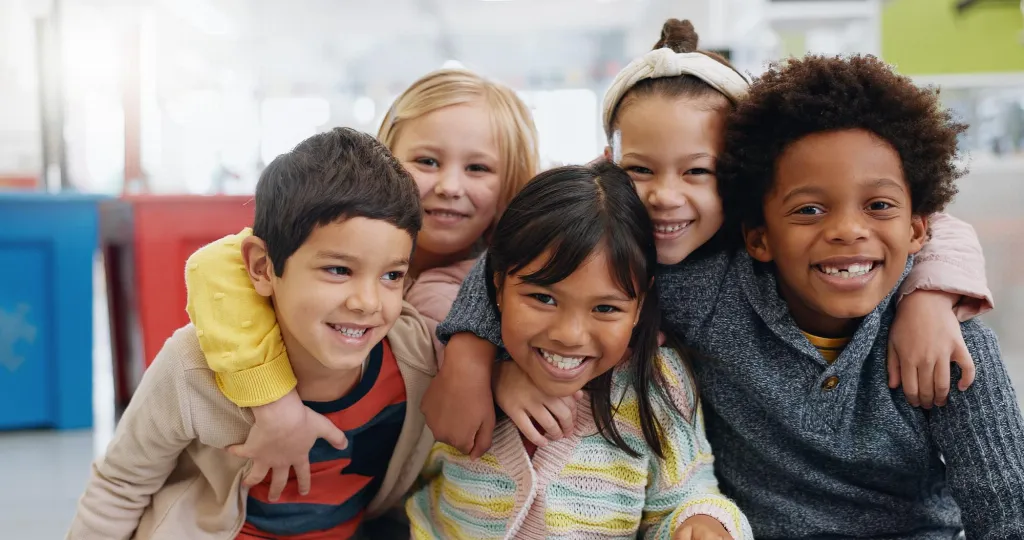
 Young children notice where they belong. As childcare providers and directors, we can make space for their stories, languages, and families so every child feels safe to learn and grow.
This short guide gives friendly, practical steps you can try tomorrow. You’ll find easy activities, ideas for family partnership, tips to avoid common mistakes, and ways to notice progress.
See resources from ChildCareEd and research to support your practice, for example How to Create an Inclusive Childcare Environment and How to Teach Children About Diversity Through Activities. Remember: state requirements vary - check your state licensing agency.
How can our classroom reflect children’s #culture and #identity?
1. Display personal items and photos.
📷 Put family photos where children can reach them and make small photo albums for each child. This simple step supports pride and memory work discussed in the ZERO TO THREE piece on identity.
📚 Add books, dolls, and posters that show many faces, family types, and homes — a practice recommended in Creating Inclusive Classrooms.
🪧 Label areas with words in home languages and English. Research shows multilingual environments help learning; see Multilingual Access to Childcare.
2. Make routines culturally responsive.
- Use greetings, songs, and rituals that families share. Short, repeated routines build safety and identity.
- Create a calm corner with soft lighting and familiar items so children can self-regulate across cultural norms.
3. Design spaces that invite choice and respect. Shelves at child height, accessible materials for all abilities, and rotating displays that honor different cultures help children see themselves and others every day. For practical room ideas, see this ChildCareEd guide.
What activities help children explore #belonging and learn about culture?
Use short, repeated activities that are hands-on and invite conversation. Activities help children practice social skills, notice differences, and feel part of a group.
Here are easy, classroom-ready ideas from ChildCareEd resources like How to Teach Children About Diversity Through Activities and Passport to Fun.
- 🎒 Passport stickers: Give each child a paper passport. Add a sticker when you explore a new place, family story, or song. This builds curiosity and belonging.
- 🎨 Art & flag patterns: Offer colors, shapes, and collage materials. Focus on patterns and stories, not perfect flags. Connect these activities with civic celebrations—see kid-friendly ideas and the flag's history for classroom use on Flag Day activities and history.
- 🎶 Music tour: Play short music clips from different places. Ask children to move fast or slow—use movement to name feelings and similarities.
- ✉️ Postcard station: Children draw and use sentence starters (“Hello from ____”) to practice language and share about home. See postcard ideas in Passport to Fun.
- 🧩 Same & different sorting: Use blocks or buttons to sort items, then talk about how people can be different and still belong.
Tip: Repeat short activities daily for two weeks so children can learn and remember. Rotate materials so every child sees themselves often. For sensory-friendly options and preschool ideas, visit Fun Multicultural Activities for Preschoolers.
How do we involve #families and support home languages respectfully?
Family partnership is the heart of identity work. When families share on their terms, children’s trust grows and teachers learn how to respond with respect.
ChildCareEd offers clear tips on family events and inclusion in Creating Inclusive Events and relationship guidance in How Do I Support Diverse Families.
- 📬 Ask first and give choices: Invite families to share a photo, a short recording, a recipe card, or a song—always optional.
- 🗣️ Use simple home-language supports: Learn greetings, post picture-labels in home languages, and keep a small bank of family phrases. Include basic signs and visual cues for Deaf and hard-of-hearing children, and consider planning related activities to mark the International Day of Sign Languages. The Indiana University resource explains multilingual benefits: Multilingual Access.
- 🤝 Co-plan events with families: Ask what makes sharing comfortable and schedule flexible times. For event planning tips see this guide.
Note: Respect privacy. Some families prefer not to share personal traditions—honor that choice. Also, state requirements vary - check your state licensing agency when you alter policies or include food in activities.
How do we check progress, avoid common mistakes, and keep learning for #inclusion?
Measuring belonging is simple: observe, ask, and note changes over time. Use short, regular checks and team reflection. The OECD highlights that inclusive practices and strong family partnerships reduce inequality and support belonging in early childhood settings; see OECD on inclusion.
- 🔍 Quick observation checklist (weekly):
- Count friendly interactions and moments of sharing.
- Note if children look at and name family photos.
- Track use of home-language words in routines.
- 🗣️ Ask families one short question at pick-up each week: “What helped your child feel happy today?”
- 📸 Use photos and child work to document growth—build a simple portfolio.
Common mistakes and how to avoid them:
- 🚫 Treating culture as a single event—fix by weaving culture into daily routines and materials.
- 🚫 Asking one child to represent a whole culture—use books and teacher-led talk instead.
- 🚫 Using stereotypes or costumes—choose real photos and everyday stories.
Summary
1. Start small: one photo, one greeting, one book.
2. Repeat often: short routines build safety and pride.
3. Involve families with choice and respect.
4. Watch for kinder play, more sharing, and children using their home language—these are signs your work is helping children feel they belong. For more activity ideas and training, explore ChildCareEd resources like Fun Multicultural Activities for Preschoolers and How to Teach Children About Diversity Through Activities.
Your effort matters: when children feel seen, they learn better. Keep trying, reflect with your team, and celebrate small wins. #culture #identity #belonging #families #inclusion
- From Play to Planning: Building Culturally Competent, Child-Centered Curriculum
- CDA: Special Needs: Understanding the Whole Child
- CDA Bridge Bundle: Family Child Care without Portfolio Review
- CDA Bridge Bundle: Infant/Toddler without Portfolio Review
- CDA Bridge Bundle: Preschool without Portfolio Review
- Emergent Learning & Development
- Texas Director Credential
- Montessori Cultural Activities: Exploring the World Through Play and Learning
- Bridging Cultures: Family Communication & Collaboration
- Strength in Differences: Cultural Diversity
- 🌎 ¿Cómo apoyo a las familias diversas mientras honro su cultura y valores? 💜
- How to Teach Children About Diversity Through Activities
- How can New York childcare workers help children build a strong sense of identity in a big city?
- Helping Children Explore Culture, Identity, and Belonging
- Understanding Culture’s Role in Whole-Child Development
- Can Superhero Day Capes and Pretend Play Teach Children to Help Others?
- How can child care programs celebrate Latin rhythms and culture with young children?
- How Can You Celebrate Black Culture and Music Effectively in Your Program?
- How can my classroom celebrate multiple traditions in ways that are fair, meaningful, and sustainable?
- How Do You Choose 10 Books for Your CDA Bibliography? Examples by Topic
- 15 Around-the-World Activities Toddlers Can Explore Through Play
- Social Studies Activities for Toddlers: Start With Home, Helpers, and Their Little World
- How Can We Celebrate Every Family and Create a Classroom Where Everyone Is Represented?
- How Can Child Care Programs Celebrate Hispanic Heritage Month Meaningfully?
- How Can Providers Create an Inclusive Classroom for Every Child?
- What Are Age-Appropriate Ways to Honor Latino Cultures in the Classroom?
- How Can Child Care Programs Celebrate Juneteenth Through Respectful, Child-Centered Art?
- How Can Children Recognize and Appreciate the Supportive Adults in Their Lives?
- When an All-About-Me Question Leaves a Child Out, What Should Providers Do?
- How Can Fall Foods Help Children Explore Family Traditions?
