New York is big, busy, and full of cultures. Childcare workers can help young children feel seen and proud of who they are. A strong sense of self helps children try new things, make friends, and calm down when they are upset. This article gives simple steps you can use today in your program. You will find ideas for the room, routines, family partnerships, activities, and training. Remember: state requirements vary - check your state licensing agency.
Why does identity matter for children in a city like New York?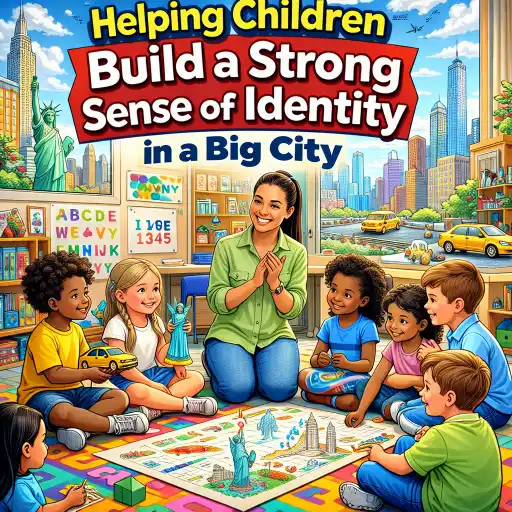
City life can feel big and fast. A clear sense of self helps a child stay steady in busy spaces like subways, parks, and crowded classrooms. It supports social skills, language growth, and emotional control. The Impact of Culture on Child Development explains how home ways shape learning and identity.
Equity and belonging matter. New York programs serve many different families. When children see their culture reflected, programs reduce bias and support better outcomes for all. For ideas on inclusion, review How to Create an Inclusive Childcare Environment.
Why it matters:
- Belonging increases participation and learning.
- Identity supports emotion regulation and social skills.
- Honoring culture helps families trust your program.
How can the classroom show each child’s home and culture?
1) Use materials that match the children: books, dolls, music, and food props. Rotate items so many cultures appear over a week. The PBS activities guide gives hands-on ideas for racial and cultural awareness.
2) Create labeled areas and routine cards in multiple languages. Use picture steps for handwashing, snack, and getting dressed. That helps children practice and feel capable.
3) Plan 1 small inclusive corner that changes every month. For example:
- 🟢 Month 1 — family photo board with simple words from home languages.
- 🔵 Month 2 — music from 2–3 families and short dance time.
- 🟡 Month 3 — a table with dress-up clothes and play food from different cultures.
4) Teach staff to say greetings in home languages and to pronounce children’s names correctly. Small moves show respect. You can also teach simple sign-language greetings and use resources and activities tied to the International Day of Sign Languages to make language inclusion accessible to children who use visual languages.
Cite resources and training such as Strength in Differences: Cultural Diversity  Buy Now $24.00 to help staff learn simple, everyday practices.
How can we work with families and community in New York to strengthen identity?
1) Invite family sharings that are simple and optional. Examples:
- 🎵 A family brings one song and teaches it in 5 minutes.
- 📚 A parent records a short story on a phone, and you play it during rest time.
- 🍪 A family drops off one snack that can be shared safely (check allergies).
2) Link with local spots: libraries, cultural centers, and nearby parks. Ask for free story time or a short cultural visit. These connections widen a child’s world and make culture part of daily learning.
3) Communicate often and simply: photos, a sentence in the family language, or a quick translation card. This builds trust. State rules and family expectations differ, so remind families: state requirements vary - check your state licensing agency.
What daily routines, activities, and training help build identity — and what mistakes should we avoid?
Daily routines that help:
- 🟢 Morning check-in: one photo and “hello” in a home language.
- 🔵 Choice time: two play options that reflect different cultures.
- 🟡 Story and music time: rotate books and songs from families in the room.
Simple activities to try this week:
- 🧩 My Identity Collage — child glues pictures or drawings of favorite foods, toys, and family members. See My Identity Collage Buy Now $0.00 ideas.
- 🎶 Music share — one family song per week, sung each day for a short time.
- 📚 Multilingual book corner — labels and books in home languages.
Common mistakes and how to avoid them:
- ❌ Treating culture as a single event. Instead: weave culture into daily routines and materials.
- ❌ Assuming one practice fits all families. Instead: ask and listen to each family’s wishes.
- ❌ Using token items once a year. Instead: rotate real materials and photos often.
Training and tools:
- Take short online staff trainings like Strength in Differences Buy Now $24.00 or the ChildCareEd modules on cultural strategies (Integrating Culture for Infants and Toddlers).
- Use brief team reflections: 15 minutes monthly to share wins and one next step.
- Use research-based tips for behavior and emotion support from sources like CSEFEL.
Quick FAQ (4 common questions):
- Q: What if a family does not want to share?
A: Respect boundaries. Use neutral ways to include the child, such as diverse books and safe props. - Q: How can we support home languages?
A: Learn a few greetings, label items, and invite recordings from families. - Q: What if staff doesn’t have time?
A: Start tiny: one photo, one word, one song a week. Small steps stack up. - Q: Where to get training?
A: ChildCareEd courses and short local workshops. See New York training requirements.
Conclusion
Start small and be steady: one photo, one song, and one label help children feel seen every day. 2) Use routines and the environment: child-sized spaces, pictures, and materials in home languages invite daily participation. 3) Partner with families and community: short sharings build trust and deepen identity work. 4) Keep learning: short trainings like those on ChildCareEd and research-based guides help staff stay confident.
Your daily choices matter. When children in a big city feel known, they grow kinder, braver, and more ready to learn. Add these simple steps to your program this week and watch children notice themselves and each other. #identity #culture #families #children #NewYork
Children who feel known and understood are calmer and more ready to learn. When a child recognizes their face, language, or family in the room, they relax and join in more quickly. See why building confidence matters in How can New York childcare providers build self-confidence in toddlers?.1) Display real family photos and words in home languages. Put photos at child eye level so kids see themselves. ChildCareEd suggests simple steps to reflect families in the room in 10 Examples of Cultural Influences.1) Ask families short, friendly questions about routines, favorite songs, foods, and a photo you can display. Make it easy: one form or a quick chat at drop-off works well. ChildCareEd encourages family partnership in The Impact of Culture on Child Development.
- CDA Home Visitor Subject Area 3 Part 3 Birth to 5
- Bienvenido! Welcoming All Families
- Business Planning: Family Child Care
- Pediatric RSV First Aid & CPR/AED
- CDA Bridge Bundle: Family Child Care without Portfolio Review
- CDA Bridge Bundle: Infant/Toddler without Portfolio Review
- CDA Bridge Bundle: Preschool without Portfolio Review
- Emergent Learning & Development
- Texas Director Credential
- How Can Childcare Educators Thrive in the Big Apple?
- CDA Certification en Español: Recursos y Consejos para Educadores Bilingües
- 👶 ¿Cuáles son las proporciones y grupos requeridos en Dakota del Norte? 🏫
- Curso de Comunicación de 9 Horas de Maryland
- Actividades de Fiesta para Niños de Preescolar y Primaria
- Normas de Licenciamiento de Cuidado Infantil en Virginia para Centros Diurnos Infantiles y Hogares Diurnos Familiares
- Reglas de Cuidado Infantil en Illinois
- Proporciones de Cuidado Infantil y Tamaños de Grupo por Edad en Virginia (Guía Rápida para Centros y Hogares)
- Lista para Abrir una Guardería en Casa en Dakota del Norte: Cómo Empezar
- Lista para Guardería en Casa en Illinois: Cómo Iniciar una Guardería en el Hogar
- Cómo Trabajar en el Cuidado Infantil en Carolina del Norte: Requisitos y Pasos
- What is the latest news about child care in New York and how does it affect providers?
- How can child care providers use the science of reading to boost early literacy in New York?
- How can New York childcare workers help children build a strong sense of identity in a big city?
- How are ChildCareEd's cultural competency courses helping New York childcare workers serve the city's most diverse communities?
- How can New York childcare workers in the Bronx find Spanish-language CEU courses?
- How Is New York City's High Cost of Living Driving Child Care Staff Out — And What Can Directors Do?
- Celebrando la amistad en el cuidado infantil durante el Día de los Mejores Amigos
- Canciones, juegos y preguntas de círculo para niños
- How Does Guided Play Build School-Ready Skills in New York Preschoolers?
