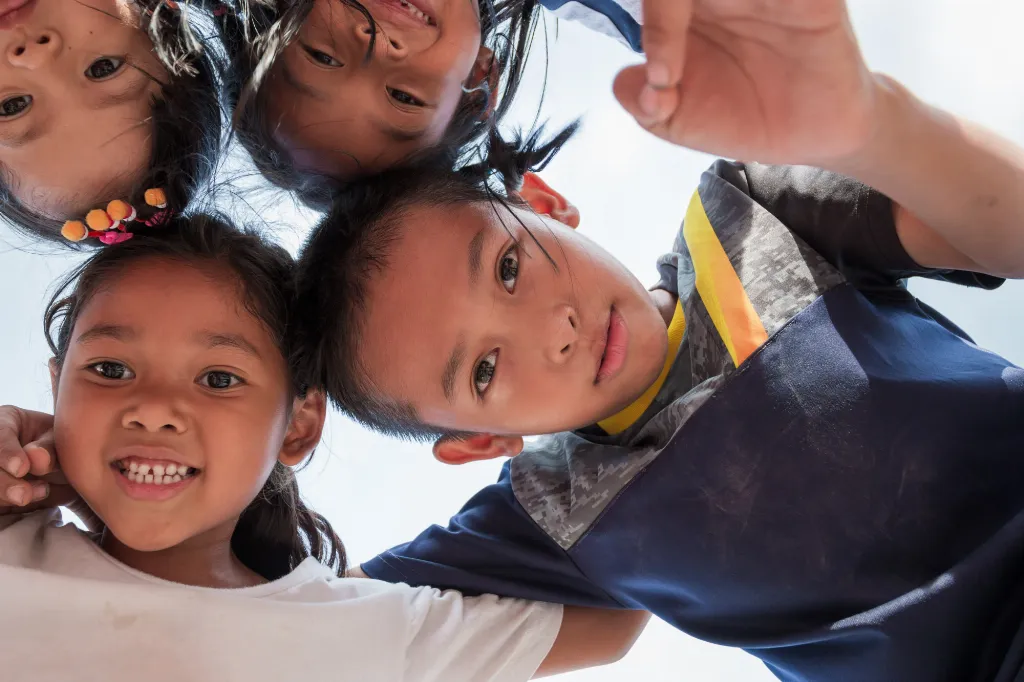
 Every child grows inside a family and a culture. Culture is the food they eat, the songs they hear, the rules at home, and the words they speak. When caregivers understand culture, they can support the whole child — body, mind, heart, and language.
This article helps child care providers and directors learn simple, practical steps to bring culture into everyday care. Remember: state requirements vary - check your state licensing agency.
How does culture affect different parts of a child’s development?
- Language and thinking
- Children raised with more than one language often get stronger thinking skills and flexible learning. See ideas at How Can Culture Affect A Child’s Development?.
- Social and emotional skills
- Some families teach showing feelings; others teach calm and quiet. Both are valid. Matching classroom responses to home habits helps kids feel safe.
- Identity and belonging
- When children see their home life in class, they build strong #identity and pride. ChildCareEd explains how to build this in Cultures in the Classroom.
- Learning styles and routines
- Some children learn by watching adults; others by doing. Routines like mealtimes and naps also affect attention and mood. See our guide on different learning styles to help adapt activities and expectations for each child.
Why this matters: strong cultural connections help children try new things, manage big feelings, and join group learning. For more research on why inclusion helps learning, see the OECD report linked here: Supporting inclusion in ECEC. The links above show practical ways to support language, emotion, and identity in your #classroom.
How can educators include culture in everyday activities?
- 👋 Greet children in their home language. Add one sign or word to your circle time.
- 📸 Display a family photo for each child (with permission). Label it in the home language and in English.
- 🎶 Use books, songs, and games from families’ cultures. Rotate materials so all children see themselves represented. See tips at Culturally Responsive Teaching.
- 🍽️ Respect food and routines. Ask families about meals and naps so you can plan group time when kids are ready to learn.
- 📚 Build bilingual labels and a language corner. This helps #development and welcomes dual-language learners.
Also use these teaching habits every day:
- Listen to families and use their words when describing the child.
- Offer choice: children can show learning by drawing, talking, or building.
- Reflect and adapt routines to match children’s home life.
For classroom planning and curriculum ideas, check From Play to Planning  Buy Now $55.00 which ties culture to play and learning.
Why does honoring culture help learning and belonging?
- 🧠 Better learning: Children focus more when they feel safe. Research shows strong adult-child interactions and supportive routines help literacy and social skills. See How Can Teachers Support Every Part of a Child’s Development?.
- 💞 Stronger relationships: Including family culture builds trust between educators, children, and parents. That trust helps when you need to work on behavior or learning goals. You can also mark community observances that teach peaceful conflict resolution, such as International Day of Non-Violence, to reinforce empathy and respect.
- 🌍 Inclusion and fairness: Representing many cultures in daily routines reduces bias and helps all children accept differences. The OECD review says inclusive practices reduce inequality and promote belonging.
State systems and licensing often require culturally appropriate practices. So, state requirements vary - check your state licensing agency before changing policies or events.
How can we partner with families and avoid common mistakes?
Good family partnerships are simple and steady. Try this 4-step plan:
- 🤝 Build trust: Start with a short, warm question at pick-up. Ask, "What helps Anna feel calm at home?"
- 📝 Use small tools: One family photo, one label in a home language, one shared song each month.
- 📣 Share strengths: Tell families what their child does well before you raise concerns.
- 🔁 Reflect with staff: Quick monthly huddles—one win and one next step—keep everyone aligned.
Common mistakes and fixes:
- ❌ Mistake: Doing a single “Culture Day.” ✅ Fix: Weave culture into daily books, songs, and labels. See Culturally Sensitive Classrooms.
- ❌ Mistake: Assuming one family equals a whole culture. ✅ Fix: Ask each family about their own routines and choices.
- ❌ Mistake: Ignoring home language. ✅ Fix: Learn greetings, add labels, and invite family recordings.
FAQ (quick answers)
- Q: What if a family won’t share traditions? A: Respect their choice. Offer other ways to include the child, like books or music the child likes.
- Q: I don’t speak the home language. Now what? A: Use pictures, gestures, and a few key words. Ask families for two words to use every day.
- Q: How often should staff train on culture? A: Short, regular sessions work best—one brief meeting a month and a full training once a year.
- Q: Where to learn more? A: ChildCareEd courses like How Cultural Influences Shape Child Development and Recognize, Respond, Respect Buy Now $55.00 offer practical tools.
Conclusion
Culture is part of every child’s story. By noticing home languages, routines, and family ways, you support the whole child—#culture, #development, #identity, #inclusion, and #families. Use small, steady steps: one photo, one label, one song. Build family partnerships, avoid token events, and check progress regularly. For practical trainings and resources, explore the ChildCareEd links above and local supports. Your attention to culture helps children feel seen, learn better, and belong.
- Roots & Resilience: Understanding What Shapes a Child
- CDA Subject Area 8
- Family Voices Matter: Tools for Meaningful Collaboration
- Culture, Communication, and Collaboration in Assessment
- Creating Environments that Nurture Growth and Community
- CDA Infants/Toddlers: Stages of Development
- Growing the Whole Child: Health, Emotions & Early Learning
- Engaging Families for Child Success
- Bridging Cultures: Family Communication & Collaboration
- Strength in Differences: Cultural Diversity
- CDA Certification en Español: Recursos y Consejos para Educadores Bilingües
- 10 Ejemplos de Cómo la Cultura Influye en el Desarrollo Infantil
- Cómo Ser Maestra de Preescolar en Illinois
- Understanding Culture’s Role in Whole-Child Development
- How Culture Shapes a Child’s Holistic Development
- How Teachers Support Children’s Growth and Development
- How Can You Tell If an Activity Is Developmentally Appropriate?
- What Is the Difference Between Early Childhood Education and Child Development?
- How Can Child Care Providers Recognize and Support Developmental Delays?
- How Can Child Care Providers Support Individual Differences in Development?
- How Can Child Care Providers Support Preschool Development Across the Whole Child?
- How Can Teachers Support Children Starting Kindergarten This Fall?
- How Can Child Care Providers Support Preschool Development?
- How Can Child Care Providers Support Healthy Child Growth and Development?
- How Can Child Care Providers Teach Holiday Vocabulary with Context and Care?
- When Families and Teachers Mean Different Things by “A Good Day,” How Can They Find Common Ground?
- How Do You Talk to Parents About Developmental Concerns?
- When Is a Child’s Behavior a Developmental Concern?
