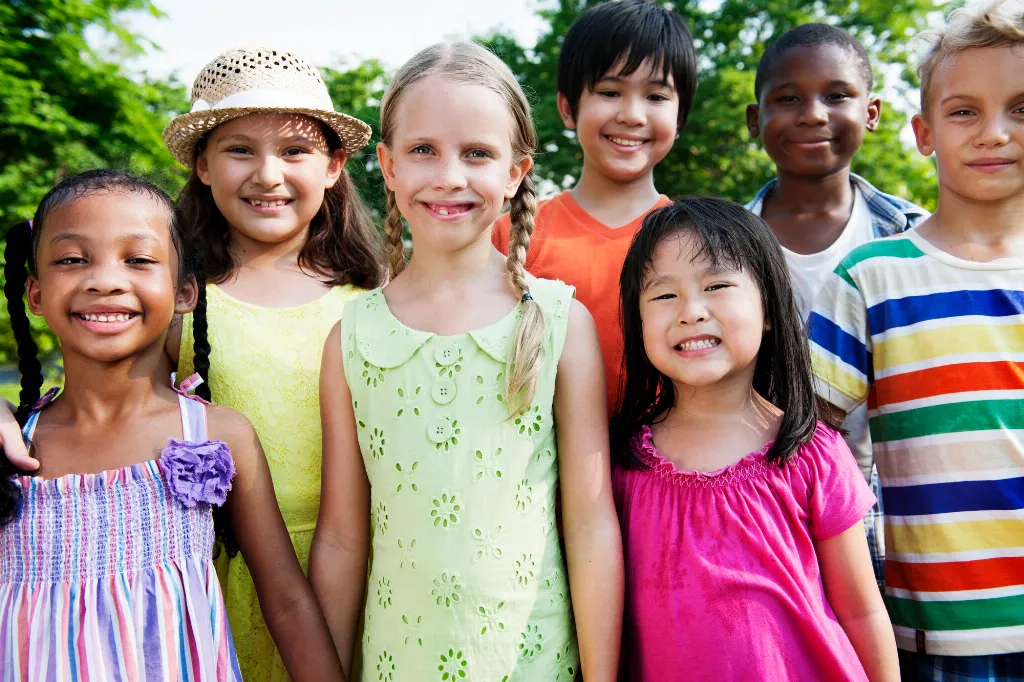
 Young children love to explore new songs, foods, stories, and games. Multicultural activities help your #preschoolers feel seen, build social skills, and learn kindness. This short guide gives easy, respectful ideas you can use in your classroom tomorrow.
Use simple steps, optional family sharing, and clear routines so every child can join. State requirements vary - check your state licensing agency.
How do I start a safe, exciting multicultural theme?
🎒 Create a classroom passport. Give each child a paper passport to decorate and add a sticker for each new country or culture you explore. For ideas, see Passport to Fun: Around the World Classroom Activities.
🗺️ Hang a child-level map and point to places children name or where families come from. Use labels and photos to make the map a learning center (Exploring the World).
🧳 Add a dramatic-play suitcase with pretend tickets, simple postcards, and hats. Rotate items so play stays fresh (Around the World ideas).
Why this works:
- 1) Children feel like explorers, not performers.
- 2) Visuals and props make new words and ideas real.
- 3) Low-pressure options keep family sharing optional and respectful (see Celebrate Every Family).
What hands-on activities teach culture and skills (and are easy to run)?
🎨 Art center: Flag patterns, classroom flag, or pattern art. Keep work about colors and shapes, not “perfect” flags (Passport to Fun).
🔤 Literacy: Postcard writing. Provide sentence starters: “Hello from ____.” Let children draw and put a sticker on their passport (Around the World).
🌊 Sensory: Ocean or market bins with pictures and small objects. Label items with words and home language translations if families share them (Exploring the World).
🏗️ Blocks: Build homes, bridges, and cities using photos of real places to inspire play (Passport to Fun).
🎶 Music & movement: Play short clips of different music. Ask children if it feels fast or slow, then move together (Multicultural Games and Activities).
🍪 Food learning (no real food required): Use photos, pretend food, or a simple, supervised tasting with alternatives for allergies and choices. If you include food, offer pretend versions so no child is left out (Multicultural Classroom Activities Buy Now $0.00).
Quick tips:
- Number and rotate centers so children have a predictable routine.
- Use picture labels and a greeting-of-the-week in a family language when possible (Celebrate Every Family).
How do I teach respectfully, include families, and avoid mistakes?
📚 Use real photos and books that show everyday life, not stereotypes. Good sources include ChildCareEd lesson packs (Multicultural Classroom Activities Buy Now $0.00) and diverse book lists (Scholastic).
🗣️ Language: Say “some families” instead of “everyone from this country.” Teach simple greetings but don’t require children to perform their home language.
👪 Family involvement: Offer optional ways to share—photos, a favorite song title, or a short note. Make participation voluntary and easy (Celebrate Every Family).
⚠️ Common mistakes to avoid:
- Avoid culture-as-costume days. Do daily-life learning instead.
- Don’t ask one child to “represent” a whole culture.
- Avoid foods or activities that exclude children because of allergies, religion, or cost—use pretend food, photos, or smell jars instead.
🔍 Reflect: Ask families how they want to be included and honor their choices. If unsure, consult community resources or trainings like Strength in Differences.
How can I adapt activities for different ages and measure success?
Adaptation is simple. Use these 4 ways to match activities to children’s ages and track progress.
- Age tweaks:
- Infants/toddlers: Focus on sensory play, songs, and photos (Multicultural Classroom Activities Buy Now $0.00).
- Preschool: Passport stickers, dramatic play, simple map activities, and postcards (Passport to Fun).
- School-age: Map comparisons, simple research, and project displays (Exploring the World).
- Simple success checks (use brief notes or a checklist):
- Did children join without pressure?
- Were kind words and sharing noticed?
- Did families respond to optional invitations?
- Documentation ideas:
- Take photos of center work and add short captions.
- Collect children’s drawings for a classroom book.
- Keep a one-line weekly note about social skills observed.
- Training and resources: Use online courses and packs for deeper planning. ChildCareEd offers related guides and activity packs (Multicultural Games and Activities, Multicultural Classroom Activities Buy Now $0.00).
Conclusion
Multicultural activities help children learn kindness, language, and social skills while celebrating who they are. Start with low-pressure choices, use real photos and books, and invite families—always optional. Track small wins: more greetings, kinder play, and pride in family stories.
For more ready-to-use lesson packs and ideas, check ChildCareEd resources like Passport to Fun and Celebrate Every Family. Your calm, curious approach will build belonging in your classroom one activity at a time. #multicultural #inclusion #families #diversity
- CDA Home Visitor Subject Area 3 Part 3 Birth to 5
- CDA Home Visitor Subject Area 2 Part 3 Birth to 5
- Emergent Learning & Development
- Playful Spaces for Infants & Toddlers
- Family Connections: Creating Inclusive Relationships
- From Tantrums to Triumphs: Equipping Preschoolers with Self-Regulation Skills
- Birth to Five CDA Credential with Portfolio Review
- Setting the Stage: Story Time
- Classroom Setup for Child Care
- CDA Bridge Bundle: Preschool without Portfolio Review
- ¿Cómo hacer actividades navideñas inclusivas para todas las familias?
- ¿Cuáles son las mejores actividades del Día de la Tierra para niños en casa o en el aula?
- Actividades de Motricidad Gruesa que Desarrollan el Equilibrio, la Coordinación y la Fuerza
- Actividades de Fiesta para Niños de Preescolar y Primaria
- Actividades de Otoño Fáciles para Preescolares esta Temporada
- Father’s Day Keepsake Ideas for Preschool and Child Care
- Simple Multicultural Games for Child Care Programs
- Fun Multicultural Activities for Preschoolers
- Helping Children Explore Culture, Identity, and Belonging
- Exploring Cultures with Around the World Activities
- Calabazas, hojas y manzanas: actividades de otoño para preescolares
- Mexican-Themed Activities That Teach Culture and Creativity
- Celebrating Differences: Diversity Activities for Preschoolers
- How to Teach Diversity to Preschoolers Through Play
- How Can I Bring the World Cup into a Multicultural Preschool Classroom in New York?
- Cultural Activities for Toddlers: Music, Food, Art, and Stories
- Cultural Activities for Preschoolers: Fun Ways to Learn About the World
- How can I teach kids about different countries during the World Cup?
- How can childcare programs meaningfully explore Japanese culture with young children?
- How can we teach community and country to young children in simple, respectful ways?
