Flag Day falls on June 14. Early childhood educators can use the date to teach simple civic history, community membership, and respect for diverse perspectives — see courses like Cultures in the Classroom  Buy Now $24.00 and Brighter Futures: Social Emotional Development Buy Now $16.00 for developmentally appropriate activities and staff guidance.
Did You Know It's Flag Day?
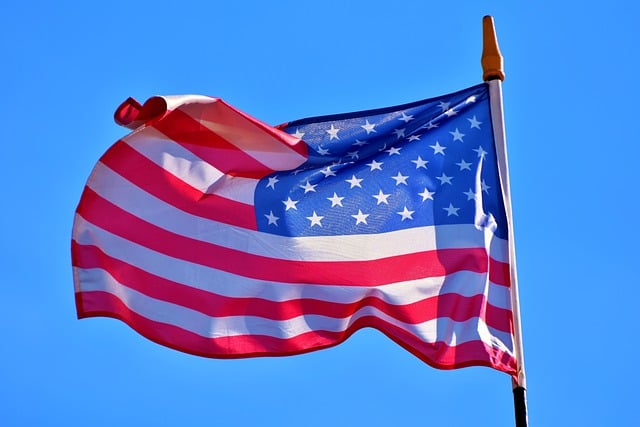
Flag Day is celebrated every year on June 14, the anniversary of the American flag’s official creation. Flag day is observed as an annual holiday to mark the history behind the American flag and its symbolism.
Why do we celebrate Flag Day?
Flag Day marks the June 14, 1777, resolution by the Second Continental Congress that established a single national flag for the thirteen colonies. The change created a unifying emblem during the Revolutionary period, when colonies otherwise flew different banners. Over the centuries the flag has served as a civic symbol used in parades, schools, and public commemorations.
In early childhood education the observance is an opportunity to introduce concepts of symbols, shared stories, and belonging without politicizing the topic. Age-appropriate lessons emphasize visual recognition (colors, shapes, stars and stripes), simple narratives about why communities adopt symbols, and respectful discussion about what the flag means to different families. For practical classroom guidance see the internal resource on teaching community and country How can we teach community and country to young children in simple, respectful ways?.
How can I teach Flag Day to young children in a developmentally appropriate way?
Start by framing the flag as a shared symbol and a story starter rather than a complex political object. Use picture books, songs, and simple matching activities to connect the symbol to themes children understand: home, family, and community. Try short, interactive read-alouds about community helpers or local celebrations, then ask open-ended questions like “What do symbols tell us about our group?” For practical classroom strategies that integrate culture and belonging, see Helping Children Explore Culture, Identity, and Belonging and How can Michigan providers teach community and citizenship for the 250th anniversary?.
What simple Flag Day facts can I teach young children?
Provide brief, concrete facts that connect to children’s everyday concepts—home, patterns, and care—so facts are memorable and developmentally appropriate. Keep each fact to one short sentence, and pair it with one quick activity or prompt.
- The U.S. flag’s origin is tied to a 1777 decision to create a single national flag—describe this as a “team symbol” for the original states to help children understand unity.
- The flag shows stars and stripes: use counting and pattern activities (count stars, compare stripe lengths) to practice early math and visual discrimination.
- Colors and shapes can mean different things to different people—invite children to share what colors or symbols remind them of home to validate diverse perspectives.
- Flags appear in parades and ceremonies to show respect; practice short, quiet observances and ask children how those moments make them feel (emotion vocabulary).
- There are simple rules for caring for flags; teach gentle handling (folding cloth, careful display) as an exercise in responsibility rather than exact protocol.
Pair one fact with a single activity (matching cards, a guided drawing, or a two-minute movement/song) so the lesson stays brief and developmentally appropriate. These short, scaffolded experiences build vocabulary, counting, perspective-taking, and social-emotional recognition without politicizing the symbol.
What Michigan licensing considerations should I check before classroom celebrations?
If your program operates in Michigan, confirm state-specific guidance on group activities, supervision ratios, and permitted materials. Programs should consult their licensing specialist and review Michigan licensing rules before planning events; for program-level ideas and considerations see the Michigan guidance already linked above. When in doubt, prioritize supervision, age-appropriate materials, family notification/consent, and documented plans for safe transitions during celebrations.
What classroom activities and crafts are safe and developmentally appropriate?
Design activities that prioritize fine-motor development, visual discrimination, and inclusive discussion rather than precise flag reproduction. Use these low-preparation, scaffolded ideas:
- Star-and-stripe collage: Provide pre-cut stars and stripes in different sizes and colors; let children compose their own “community flags.”
- Color matching stations: Ask children to group fabrics or cardstock by red, white, and blue to practice categorization and vocabulary.
- Parade practice with rules: Short hallway parades teach routines, safe movement, and turn-taking—practice listening and following directions.
- Story-and-drawing: Read a short, neutral story about community, then have children dictate or draw what belonging means to them.
- Song and movement: Simple call-and-response songs encourage participation and language development.
For craft-centered, safe activity ideas adapted for child care, see the related Summer/Holiday craft guide Fourth of July Craft Ideas for Preschool and Child Care and program-level celebration guidance How to Celebrate the Fourth of July in Your Center or Daycare.
How can Flag Day connect to lessons about diversity and belonging?
Use Flag Day as a prompt to discuss how different communities in the U.S. bring unique traditions and meanings to shared symbols. Invite family members to share what the flag represents to them, or pair the Flag Day unit with multicultural stories and music. Activities that center family narratives help children see multiple perspectives and build respect. For ready activities that explore cultures respectfully, see Exploring Cultures with Around the World Activities and ideas for centering music and cultural expression How Can You Celebrate Black Culture and Music Effectively in Your Program?.
Where can staff find training and curricula, and how do I adapt activities for infants and toddlers?
Consider short staff sessions that review developmental goals, inclusive framing, and safety when planning celebrations. ChildcareED course recommendations: Be Loud, No Bullying Allowed Buy Now $16.00, Strength in Differences: Cultural Diversity Buy Now $24.00, Bienvenido! Welcoming All Families Buy Now $16.00, Supporting Social Learning Buy Now $35.00, and Training Guide for Families from Diverse Language and Cultural Backgrounds Buy Now $35.00. These courses align classroom practice with social-emotional and cultural competence goals.
For infants and toddlers, emphasize sensory exploration and caregiver narration: fabric flags for tactile play, simplified two-color sorting, and caregiver-led songs. Keep sessions under ten minutes and follow each child’s lead to ensure positive engagement. These adaptations align with staff training goals and make it easier to implement age-appropriate activities immediately after brief in-service discussion.
Summary: What should educators take away?
Flag Day is an accessible moment to teach symbols, belonging, and respect. Keep lessons simple, developmental, and family-centered; use inclusive stories and scaffolded activities that prioritize social-emotional skills and cultural awareness. For practical classroom-ready options, staff training, and crafts referenced above, follow the internal links embedded in these sections. #FlagDay #Patriotism #Civics #Diversity #Curriculum
NOTE: If interested, a private class can be reserved for your staff. Call the office for full booking details. The above list of classes is a combination of online classes and Instructor Led classes. The Instructor-Led classes need a minimum number of students. Check the course description for minimums.
*Archived from ChildCareEd's Constant Contact NEwsletters [6.15.2022]
- 45 Hour Child Growth and Development
- Teach with Respect ONLINE
- Diversity, Equity, and Inclusion in Education: For Workforce Solutions
- 45 Hour Preschool Methods and Materials
- Teach with Respect!
- 45 Hour Infant and Toddler Methods and Materials
- 45 Hour School Age Methods and Materials
- Diversity, Equity, and Inclusion in Education
- Texas Director Credential
- Memorial Day Activities
- 4th of July Fun Facts
- 7 Fiesta-Fueled Classroom-Friendly Activities
- 🚩👶 What Are the Red Flags in Infant Development Every Educator Should Know?
- Typical vs. Atypical Child Development: What Every Child Care Provider Should Know
- Passport to Fun: Around the World Classroom Activities
- Red, White, and Blue Fun: Memorial Day Activities for Kids
- Stars & Stripes Celebration: Independence Day Classroom Activities
- ¿Cuáles son las mejores actividades del Día de la Tierra para niños en casa o en el aula?
- How Can Child Care Providers Spot Early Development Concerns?
- Cómo Trabajar en el Cuidado Infantil en Virginia: Requisitos y Pasos
- Memorial Day Activities for Kids: Simple Ways to Honor the Day
- Teaching Kids About Memorial Day Through Crafts and Activities
- Fourth of July Craft Ideas for Preschool and Child Care
- How can New York CCAP providers keep records audit-ready?
- How can we teach community and country to young children in simple, respectful ways?
- How Can Flag Design Help Children Explore Symbols, Patterns, and Individual Expression?
- How Can Child Care Providers Teach Holiday Vocabulary with Context and Care?
- How Can Childcare Leaders Make Invisible Classroom Tasks Visible Before Dividing Staff Work?
- Where Is Staff Time Lost When Classroom Supplies Are Missing?
