Working with families from many backgrounds is part of everyday life in early childhood settings. This article is for child care providers and directors. It gives simple, practical steps you can use right away. You will find ideas about building trust, honoring culture and language, supporting children with extra needs, and checking if your work is helping families and children. Remember: state requirements vary - check your state licensing agency.
Why this matters:
1) Children learn best when home and school work together. 2) Families know the child best. When we honor family voices, children feel safe and ready to learn. For more on why family partnerships matter, see Partnering with Families in Early Childhood Education from ChildCareEd.
How do I build trust with families who are different from me?
- 😊 Greet each family by name at drop-off and pick-up. A warm hello builds a connection.
- 📱 Ask how they prefer to get messages (text, call, note or app) and use that method often. See communication tips at Family Engagement Strategies.
- 📝 Share one short strength and one small goal for the child each week. Co-create goals with the family so you work together.
- 🤝 Listen first. Ask open questions like, “What helps your child feel calm at #home?” and try their ideas when you can.
- 🔁 Keep contact regular. Small, positive notes beat rare long meetings.
Use strengths-first language. Start hard conversations by naming what the child does well. For examples and scripts, see How Do I Support Diverse Families.
How can I honor culture and language in the classroom?
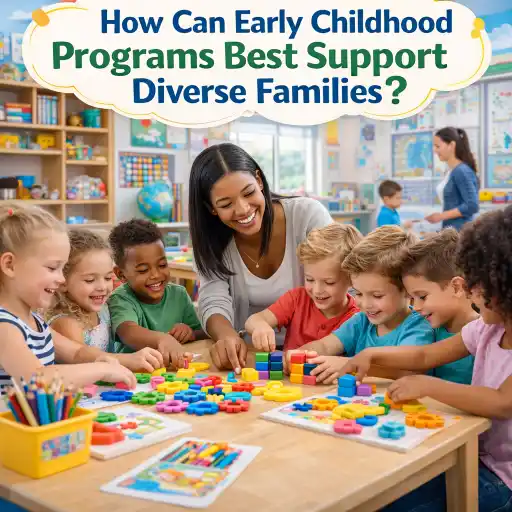
Honoring family culture and home language helps children feel proud and belong. Try this plan of simple steps:
- 🌍 Invite families to share a song, photo, recipe, or word from home. Make sharing optional and easy.
- 📚 Add books, dolls, and pictures that reflect the children and families in your program. Rotate items so everyone is seen. See ideas in Culturally Responsive Teaching.
- 🗣️ Label areas and common items in home languages and English. This helps dual language learners and shows respect. For multilingual tips see Multilingual Access to Childcare.
- 🤝 Co-plan cultural activities with families so you avoid stereotypes and center family voice.
- 📅 Schedule events at times families can attend and offer translated materials when needed.
These steps help build a classroom that models #culture and #inclusion every day. Small routines—like a greeting song in a home language—make a big difference. You can also use global education approaches to intentionally build cultural awareness and critical thinking across daily activities.
How do we support children with extra needs while partnering with families?
- 🧩 Start transition and support talks early. If a child is moving from early intervention to preschool, begin planning well in advance. ChildCareEd offers guidance in How can we partner with families to support diverse learners?. For practical coursework to help staff design individualized plans, explore Individualized Learning Online Courses.
- 📋 Use a short written goal sheet that families and staff update together. List who will do each step and when you will check back.
- 👂 Listen to family priorities and build on what works at home.
- 🔗 Connect families to community resources and specialists. Use the CDC’s Learn the Signs. Act Early. materials to support developmental monitoring.
- 🔄 Celebrate progress and keep communication positive and frequent.
Common mistakes and how to avoid them:
- 🚫 Mistake: Only sharing problems with families. Fix: Always start with strengths.
- 🚫 Mistake: Asking families to do all the work. Fix: Co-create plans and share steps.
How do we know our family partnerships are working?
Measure success with simple, doable checks. You don’t need complex data. Try these numbered ideas:
- 📈 Track communication frequency: count short updates, notes, or calls per family each month.
- 🗣️ Ask families 1–2 quick survey questions twice a year like: “Do you feel heard?” and “What helped your child most?”
- 🎯 Watch child progress: note gains in routines, play, or language tied to family strategies.
- 🤝 Hold a short team reflection each month: what worked? what will we try next?
- 📌 Keep a small portfolio for each child: one goal, photos, and short notes to share at meetings.
Also watch for signs of stronger relationships: families visiting more, sharing photos, or trying suggested home activities. For more tools and course options, explore ChildCareEd trainings like Diversity, Equity, and Inclusion in Education Buy Now $25.00 and the Training Guide for Families from Diverse Language and Cultural Backgrounds Buy Now $35.00.
Quick FAQ (short):
- Q: How often should we check in? A: Aim for at least one positive contact each week.
- Q: What if a family speaks another language? A: Use interpreters, translated notes, pictures, or family-taught words.
- Q: What if families don’t respond? A: Try different times, methods, or a short home-language note. Ask what works for them.
Summary:
1) Start small and steady. 2) Listen and honor family voice. 3) Include home language and culture each day. 4) Co-create plans for children with extra needs. 5) Use simple checks to see what works. When we build respectful partnerships, children feel safer and learn better. For practical help and printable tools, visit ChildCareEd resources like Recognize, Respond, Respect and many related articles.
Thank you for the important work you do every day. Supporting diverse families takes patience and curiosity—and it changes children’s lives. Keep going. Your efforts matter to children, families, and the whole community.
Trust takes small, steady steps. Try these numbered actions each day:Children with extra needs often benefit most from strong family partnerships. Follow these numbered steps:- 45 Hour Child Growth and Development
- Training Guide for Families from Diverse Language and Cultural Backgrounds
- CDA Preschool Credential with Portfolio Review
- 45 Hour Preschool Methods and Materials
- 45 Hour Infant and Toddler Methods and Materials
- Training Guide for Families from Diverse Language and Cultural Backgrounds
- Texas Director Credential
- Building Bridges for Dual Language Learners
- 45 hour Growth and Development Birth-age 12 ONLINE
- Building Quality Early Childhood Education Programs
- The Power of International Sign Language in Early Childhood Education
- Daycare Near Me: A Parent's Necessity
- Early Childhood Education in Washington
- How Can Childcare Educators Thrive in the Big Apple?
- CDA Council's Early Educators Leadership Conference
- Bright Futures: Why CDA Certification is the Career Glow-Up You Need in 2025
- CDA Certification en Español: Recursos y Consejos para Educadores Bilingües
- Studying ECD online: Why ChildCareEd Should be Your Top Choice
- How can early childhood programs best support diverse families?
- How can child care programs support diversity and inclusion?
- How Family Background Influences Babies’ and Children’s Development
- How Can You Celebrate Black Culture and Music Effectively in Your Program?
- Can Early Childhood Programs Use Technology Responsibly to Enhance Learning?
- What Will the Future of Early Childhood Education and Care Look Like?
- Early Childhood Policy Training: How Policy Shapes Practice in ECE
