Helping children manage strong feelings is one of the most helpful things you do each day in your #classroom. This short guide gives easy steps staff can use right away to notice feelings, calm a child, and teach new skills. You will see simple scripts, quick tools, and links to ChildCareEd pages with ready-to-use ideas like How can we help children manage big emotions? and What simple emotional regulation tools help children ages 2–5?.
Why it matters:
- Children who learn to name and manage their #emotions are safer, learn more, and stay in group activities longer.
- Small kindnesses like saying a feeling word or offering a breath can stop a meltdown fast and teach long-term skills.
Quick note: state requirements vary - check your state licensing agency.
What are the first steps to help children notice and name feelings?
1) Get good at watching. Look for body clues: fast breathing, clenched fists, or withdrawn play. These are signs the child needs help now. See age-by-age signs in Big feelings: helping kids calm down (age-by-age).
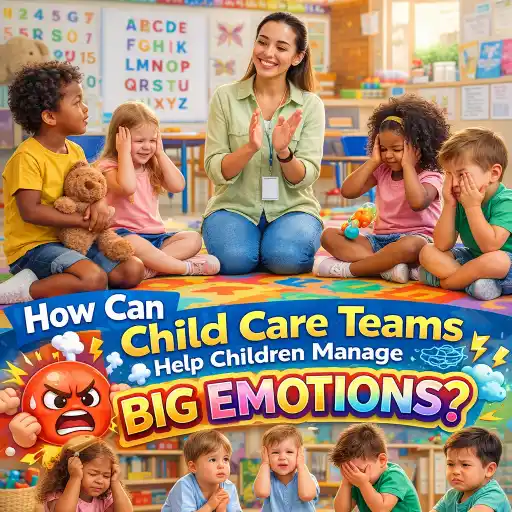
2) Use short labels. Name what you see so children build a feeling vocabulary. For example:
- 🙂 "You look sad."
- 😡 "You seem angry right now."
- 😰 "Your body looks worried."
3) Use visuals and routines. A feelings chart or a one-step visual helps non-readers point to their feeling. ChildCareEd offers printable lesson ideas and feelings charts you can use in circle time: How can we help children recognize and express their feelings?.
4) Co-regulate: stay calm, get to their eye level, and say a short line: "I’m here. You’re safe." This lets the child borrow your #calm so learning can follow. For coaching scripts and the Connect → Calm → Coach plan see How can teachers use emotion coaching with little kids?.
What quick calming tools can staff use right away?
1) Use the three-step in-the-moment plan every time: Connect → Calm → Coach. Short example script:
- 🧑🤝🧑 Connect: Kneel down, make soft eye contact, "I’m here."
- 😮💨 Calm: Breathe with the child or offer one choice: "Hug or space?"
- 💬 Coach: When calmer, name the feeling and teach a tiny skill: "You were mad. Try squeeze the ball next time."
2) Teach a few repeatable breath tools. Try:
- 🌬 Balloon breathing (big in, slow out).
- ✋ Five-finger breathing (trace fingers as you breathe).
- 🐢 Turtle breath (stop, tuck, breathe).
3) Make a calm-down area with limited, safe items: soft rug, feelings chart, 2–3 calm tools (sensory bottle, squeeze ball, breathing picture). ChildCareEd's calm-down checklists and calm-down cards are helpful: What simple emotional regulation tools help children ages 2–5? and Big feelings (age-by-age).
4) Use safe replacements for unsafe actions: "Hitting hurts. You can stomp or squeeze this pillow." Teach these alternatives ahead of time and practice them when children are calm.
How can we teach emotional skills every day so children get better?
1) Teach 1–2 simple tools and practice often. Short, playful practice works best:
- 🎲 Games that teach stopping and waiting: Red Light/Green Light, Simon Says.
- 🧘 1–2 minute breathing at circle time (balloon breath or five-finger breath).
- 📚 Read stories about feelings and ask simple questions: "How did the character feel? What helped them?"
2) Use routines and visuals to lower surprise and stress. Visual schedules and "first/then" language reduce big reactions. The Pyramid Model and SEL frameworks give classroom-wide supports — see ChildCareEd's SEL course Emotions in Motion and research summaries like RAND: Skills for Success.
3) Celebrate small steps. Use specific praise: "You used your words — great job!" Track wins on a simple chart so staff and families see progress.
4) Teach problem solving after calm: 1) What happened? 2) What did you feel? 3) What will you try next? Keep language short and repeat scripts across adults in the room.
When should we ask for extra help and how do we avoid common mistakes?
1) Signs to ask for more support:
- 🛑 Frequent hurting of self or others.
- 🕒 Meltdowns that are long and happen many times each day.
- 🔁 No response to usual tools after weeks of practice.
2) Team steps: share notes with families and your director, use simple data logs (when, trigger, what helped), and bring in a mental health consultant or early intervention when needed. ChildCareEd covers when to seek help in articles like How can we help children manage big emotions?.
3) Common mistakes and fixes:
- ❌ Mistake: Only teaching tools during meltdowns. ✅ Fix: Practice daily when calm.
- ❌ Mistake: Long lectures in the moment. ✅ Fix: Use one short sentence and one choice.
- ❌ Mistake: Using calm corner as punishment. ✅ Fix: Teach it as a safe choice and model use.
4) Remember: partner with families, respect cultural differences in how families show feelings, and document patterns. If trauma or deeper needs are possible, seek specialist help and use trauma-informed strategies. For more classroom tools and lesson plans see ChildCareEd's resources: Emotions for Kids: Fun Activities and tools for 2–5 year olds.
FAQ
- Q: How long should a calm-down visit be? A: 2–5 minutes to reset; longer only with staff nearby and a clear reason.
- Q: What if a child refuses help? A: Stay close, offer one calm choice, try again later, and practice tools when they are calm.
- Q: How do I start staff training? A: Teach the Connect → Calm → Coach steps, practice scripts, and review simple data logs. Use ChildCareEd trainings for printable tools.
- Q: Where to get lesson plans and printables? A: See ChildCareEd lesson plans and calm-down cards linked above.
Conclusion
Small, steady steps win. Notice and name feelings, teach 1–2 repeatable tools, practice daily, and partner with families. Use short scripts and a calm tone to help children borrow your #calm. Track patterns, ask for help when safety or persistence is a concern, and use the ChildCareEd links in this guide for lessons and printable supports. You are doing meaningful work—every small practice builds lifelong skills for the children in your care. #children #classroom #SEL
- Party Hats and Emotional Regulation: Helping Little Ones Navigate Big New Year Feelings
- CDA Certification en Español: Recursos y Consejos para Educadores Bilingües
- Proporciones de Cuidado Infantil y Tamaños de Grupo por Edad en Nueva Jersey (Guía Rápida para Centros y Hogares)
- Proporciones de Cuidado Infantil y Tamaños de Grupo por Edad en Virginia (Guía Rápida para Centros y Hogares)
- Cómo Trabajar en el Cuidado Infantil en Carolina del Norte: Requisitos y Pasos
- How can positive guidance help manage big feelings during indoor play in Oklahoma classrooms?
- How Children Use Emotions to Connect with Others
- How can Georgia preschoolers manage big feelings and classroom routines?
- How can child care teams help children manage big emotions?
- Canciones, juegos y preguntas de círculo para niños
- Cómo simplificar la capacitación para sus empleados de daycare
- How can child care teams help children manage big feelings?
- How can child care teams help children manage big feelings?
- Can we tame the ‘monsters’ of big emotions in young children?
- How can friendly-monster crafts teach children about feelings?
- How Can Child Care Providers Help School-Age Children Manage Stress?
- How Can Child Care Providers Help Children Name and Manage Their Emotions?
- Why Are Children Struggling More With Self-Regulation?
- How Can Child Care Providers Teach Preschoolers to Manage Big Emotions?
- When Adult Frustration Sets the Tone for the Whole Classroom, What Can Child Care Teams Do?
