Children learn best when adults make the space safe, warm, and predictable. Building a positive learning environment means planning the room, practicing helpful routines, guiding behavior with respect, and working with families. In your #classroom with #children use clear #routines, kind #guidance, and strong #relationships to help every child thrive. For practical checklists and step-by-step ideas, see the Creating a Positive Learning Environment post and the free checklist Buy Now $0.00.
Why it matters
What simple steps can teachers use right away?
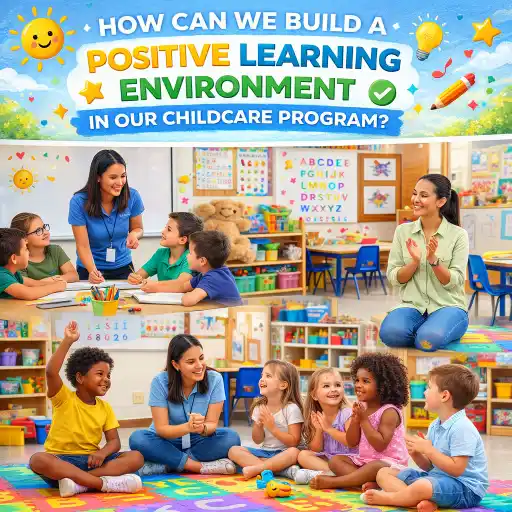
Start with a few, clear actions. Use this short list to get going quickly:
- 😊 Greet each child by name at arrival. A warm hello builds trust and belonging. See routines ideas at Creating a Positive and Calm Classroom Environment.
- 📋 Post a picture schedule at child level. Pictures help kids know what comes next and reduce worry. The CSEFEL brief on transitions has great tips: Helping Children Make Transitions.
- 🎯 Teach 3 simple rules with pictures and practice them daily. Keep rules short and positive (e.g., "Hands are for helping"). Use the positive guidance ideas from Positive Guidance That Works.
- 🏅 Catch children being good. Give specific praise: "You waited your turn—thank you!" This helps good choices repeat.
- 🧘 Set up a calm corner with clear steps for use. Teach children how to use it when they are calm, not only when upset. See calming strategies in Emotions in Motion.
Try one or two changes this week. Use the checklist Buy Now $0.00 to spot one quick win.
How do room layout and routines prevent problems?
- 🧩 Create clear learning zones (blocks, art, reading, quiet). Label shelves with pictures so children can find and return things. The CSEFEL paper on environmental strategies shows how room choices boost positive play: Using Environmental Strategies.
- ⏱️ Use a predictable daily schedule and short transition signals (song, bell, visual timer). Fewer surprises mean fewer meltdowns. The CSEFEL brief on transitions has step-by-step examples: Transitions.
- 🔢 Limit how many children use a center at once. Fewer bodies means fewer fights and more cooperative play.
- ✨ Make the calm area cozy with soft light, a feelings chart, and a few fidgets or books. Teach routines for using it.
- 🔍 Observe and tweak. Walk the room, notice where problems happen, and move shelves or materials to reduce crowding. Use the ChildCareEd checklist Buy Now $0.00 as a guide.
Also remember: state requirements vary - check your state licensing agency for space and safety rules.
How can teachers guide behavior in a positive way?
Positive guidance teaches skills instead of only stopping misbehavior. Use this short, easy plan drawn from ChildCareEd resources:
- 🧘 Stay calm and get close. Your presence helps children feel safe.
- 🗣️ Name the feeling: "You look frustrated." Labeling helps children learn emotion words (Emotions in Motion).
- 🚦Set a clear limit: "Hands are for helping." Say what to do rather than just saying "no." See Positive Guidance That Works.
- 🛠 Teach the next step: offer a simple replacement skill ("Ask for a turn" or "Use gentle hands").
Use short phrases and repeat them often. Example phrases: "Show me gentle hands," "First this, then that," and "Let's breathe together." For more classroom language and plans try the ChildCareEd article How Can Positive Guidance Improve Classroom Management.
When behavior is serious or keeps happening, collect simple notes (time, place, what happened) and consult specialists or mental health consultants. Approaches like Positive Behavior Support (PBS) can help teams make a plan; see the PBS ideas in the CSEFEL overview and in the ChildCareEd resources on challenging behavior.
How do we involve families, staff, and keep improving?
Teamwork makes a positive environment last. Use these steps to partner with families and keep learning as a staff team:
- 📞 Communicate one strength and one small concern at drop-off or by note. Start every conversation with something positive. See family engagement tips at Family Engagement Strategies.
- 🤝 Share one simple plan for home and school (same words, same routine). Consistency helps children learn faster.
- 📋 Track patterns: note when, where, and what happens. Data helps teams decide next steps. If a child needs extra help, use a team approach like PBS or consult mental health staff (see guidance).
- 🔄 Hold short weekly staff check-ins to share wins and tweak routines. Directors can use walk-throughs plus the checklist Buy Now $0.00 to coach classrooms.
- 🧠 Keep learning: take SEL and trauma-informed courses. ChildCareEd offers trainings like Safe and Sound
 Buy Now $55.00 and SEL courses that strengthen practice.
Common mistakes and quick fixes:
- 😵 Expecting instant change. Fix: track small wins and be patient.
- 😶 Being inconsistent across staff. Fix: pick one script and practice it together.
- ⚠️ Using shame or long public punishments. Fix: teach replacement skills and keep consequences short and related.
- 🔍 Waiting too long to ask for help. Fix: gather simple notes and consult early.
Quick FAQ
- Q: How many rules should I teach? A: 3 or fewer, with pictures and practice daily.
- Q: When should I refer to a specialist? A: If behavior is intense, lasts a long time, or keeps a child from learning, ask for support.
- Q: Do praise and rewards work? A: Yes—specific praise and classroom roles help children repeat good choices.
- Q: What about licensing rules? A: state requirements vary - check your state licensing agency for safety and space rules.
Conclusion
Building a positive learning environment is a step-by-step job. Focus on 1) safe, organized space; 2) simple routines and signals; 3) positive guidance and teaching; and 4) teamwork with families and specialists. Use small changes, practice the same language across staff, and celebrate progress. For ready-to-use tools and trainings, explore ChildCareEd resources like the checklist Buy Now $0.00, SEL and guidance articles, and professional courses. Little steps every day create a calmer, kinder classroom where children and staff can grow together.
When children feel safe and valued they pay attention, try new things, and get along with others. A positive environment lowers stress for staff and children. Programs that focus on relationships and routines spend less time on behavior problems and more time on learning. The evidence and tools on ChildCareEd and research summaries like the Canadian quality review show why small, steady changes pay off.A well-planned space and steady routines cut down trouble before it starts. Follow these steps to set up a room that supports learning:- Professional Presence in Early Childhood
- Adult Only CPR AED and Adult First Aid Blended
- CDA Infants/Toddlers: Importance of Consistent Care
- Our School Age Family Tree: Children, Staff, & Parents
- Balancing Act: Schedules and Routines
- Positive Attention: Interactions & Supervision for Infants & Toddlers
- Connections That Count: Building Relationships in Child Care
- Texas Director Credential
- Every Moment Matters: Schedules and Transitions
- Everyday Safety: Creating Healthy Environments
- Why do I need a CDA Credential?
- How to Start a Daycare and Maintain Professionalism
- Montessori for Toddlers: Fostering Independence and Learning
- Giggles and Learning: How Telling Jokes Can Boost Your Classroom’s Morale!
- From Challenges to Triumphs: Strategies for Childcare Educators in New York
- Inside the Child Care Resource Center: How to Maximize Support for Families and Educators
- 🩺 Cumplimiento de Salud e Inmunización en Cuidado Infantil de Nevada ✔️
- 👶 ¿Cuáles son las proporciones y grupos requeridos en Dakota del Norte? 🏫
- Ejemplos de Crianza Respetuosa vs. Crianza Permisiva
- How can we build a positive learning environment in our childcare program?
- How Can Child Care Providers Help Children Understand Classroom Expectations?
