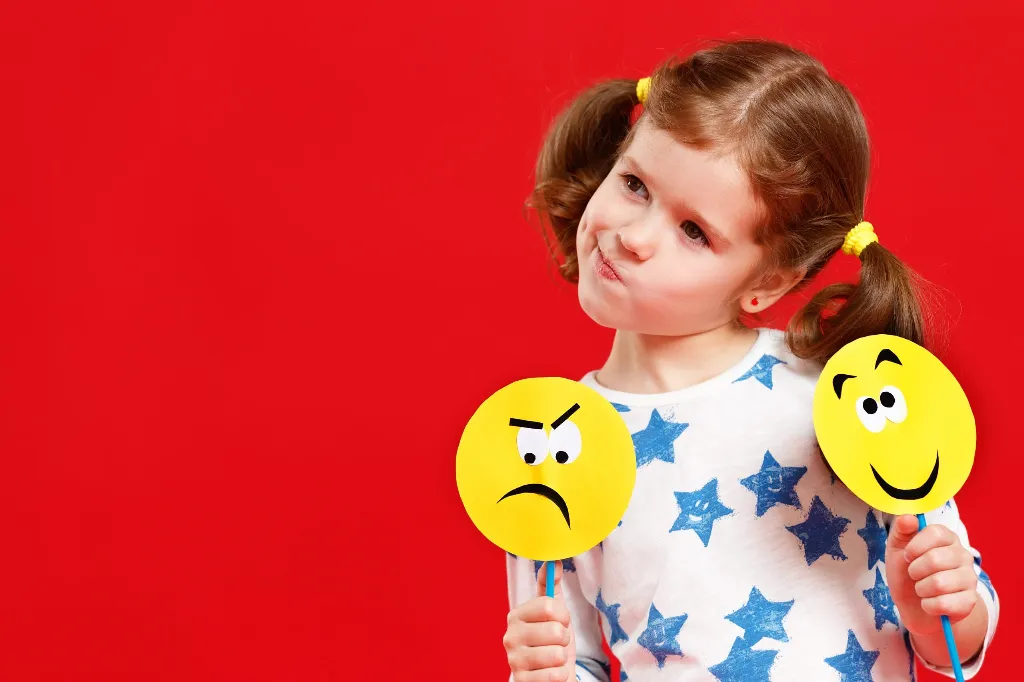
 Kids have big feelings. They can feel happy, scared, excited, or angry sometimes all in the same day. The good news is that children can learn what feelings are, how to talk about them, and how to calm their bodies. This guide shares simple, fun activities you can use at home or in child care to teach feelings and self-control. #SEL #Emotions #ChildCare
Why is it important to teach feelings and self-control?
Self-control is not “being perfect.” It is the skill of pausing, trying again, and using words or calm actions instead of hurting others.
When children learn emotions and self-control, they can:
-
make friends more easily
-
handle waiting and sharing
-
calm down faster after a problem
-
learn better during group time
What are common feelings kids need help naming?
Start with simple words. Many young children (and many adults learning English) do best with clear choices.
Try these basic feeling words:
-
happy
-
sad
-
mad/angry
-
scared
-
surprised
-
tired
-
excited
-
calm
Tip: Put feeling faces on the wall at children’s eye level. Then point and say, “You look angry. Let’s take a breath.”
What does self-control look like for young children?
Self-control looks different by age. That’s normal.
-
Toddlers (1–2): need lots of adult help to calm down
-
Preschoolers (3–5): can learn simple calming tools with practice
-
School-age: can use words and problem-solving more often
A helpful mindset: Children are learning. They are not trying to be “bad.”
How can I teach feelings in a fun, simple way?
Use play. When kids play, they feel safe enough to learn.
1) Use “Feelings Check-In” every day (2 minutes)
At arrival or circle time, ask:
-
“How do you feel today?”
-
“Show me with your face.”
-
“Point to a picture.”
Keep it short. If a child says “mad,” respond with:
-
“Thanks for telling me.”
-
“What can help you feel better?”
2) Play “Feelings Charades”
Call out a feeling and act it out:
-
“Show me happy.”
-
“Show me tired.”
-
“Show me proud.”
Then ask:
-
“When do you feel that way?”
-
“What helps when you feel mad?”
This builds emotion vocabulary and empathy. #teachingfeelings
3) Read a short story and talk about feelings
Pick any picture book with emotions. Pause and ask:
-
“How does the character feel?”
-
“How do you know?”
-
“What could they do next?”
Keep answers simple. Children learn by hearing you model calm language.
How can Play-Doh help children learn emotions?
Play-Doh is great because it uses hands, slows bodies down, and supports calm focus.
Try this free ChildCareEd activity:
Emotions Playdough Activity Buy Now $0.00
Easy ways to use it:
-
Make a “happy face,” “sad face,” and “angry face.”
-
Roll a ball and squeeze it slowly while breathing.
-
Make “calm tools” with Play-Doh (a heart, a star, a smooth rock shape).
Why it works: Hands-on play helps children express feelings without needing lots of words. This is especially helpful for dual language learners and children with speech delays. #emotions
What are the best self-control activities for toddlers and preschoolers?
Here are simple activities you can repeat often. Repetition helps the brain learn.
1) Teach “Breathe Like…”
Choose one:
-
Smell the flower, blow the candle (inhale, exhale)
-
Bunny breaths (3 short sniffs, 1 long blow)
-
Bubble breaths (slow exhale like blowing bubbles)
Practice when children are calm—NOT only during tantrums.
2) Use “First–Then” language
This helps children accept limits:
-
“First wash hands, then snack.”
-
“First clean up, then outside.”
Say it the same way each time. Consistency builds self-control.
3) Create a Calm-Down Corner
Keep it cozy and simple:
-
feeling faces chart
-
soft toy or pillow
-
small sensory item (stress ball, fidget, fabric square)
-
2–3 calm-down choice cards (“breathe,” “hug pillow,” “count to 5”)
Tip: A calm corner is not a punishment. It is a support tool. #inclusion
4) Practice problem-solving with puppets
Use two dolls or puppets:
-
Puppet A grabs a toy.
-
Puppet B gets mad.
Ask children:
-
“What could Puppet B say?”
-
“What is a fair choice?”
Teach short scripts:
-
“Can I have a turn?”
-
“Stop. I don’t like that.”
-
“Help, please.”
How do I respond when a child is melting down?
During a meltdown, kids can’t learn a lesson. First, help them feel safe.
Use this simple plan:
-
Get close and stay calm (soft voice, slow body)
-
Name the feeling: “You’re angry.”
-
Set a safe limit: “I won’t let you hit.”
-
Offer one calm tool: “Breathe with me” or “Squeeze Play-Doh.”
-
After calm, teach: “Next time, say ‘help’.”
If you want an extra guide for big emotions, this ChildCareEd article is a great companion:
Teaching Kids to Manage Difficult Emotions
How can I respect cultural differences when teaching emotions?
Families may teach feelings differently. Some families encourage quiet behavior in public. Others encourage kids to talk a lot about feelings. Some families use different words for emotions.
Try respectful questions:
-
“What words do you use at home for feelings?”
-
“How do you help your child calm down?”
-
“Are there any comfort routines we should know?”
Tip: Focus on shared goals: safety, kindness, and helping the child communicate needs. #familypartnership
What are common mistakes to avoid?
These are easy to fix:
-
Only teaching calm tools when kids are upset
Practice daily when calm. -
Asking too many questions during a meltdown
Use short phrases first. -
Using shame (“You’re bad,” “Stop crying”)
Use support language (“You’re having a hard time. I’m here.”) -
Expecting the child to “just know”
Teach the same steps again and again.
Which ChildCareEd courses can help teachers support emotions and self-control?
Here are 3 directly related trainings you can recommend to staff:
-
CDA Subject Area 3: Supporting children’s social and emotional development
 Buy Now $80.00
 -
Mysteries of Challenging Behavior Solved
Buy Now $24.00$18.00 -
Self-Regulation & Change: Helping Children Cope
Buy Now $16.00
Conclusion
Teaching feelings and self-control does not need to be complicated. Start small: name feelings, practice breathing, and repeat simple routines every day. Use play-based tools like the Play-Doh emotions activity to make learning fun and calm. When kids feel understood, they learn faster and behave better. #SEL #EarlyChildhood
- A Better Space for All
- From Tantrums to Triumphs: Equipping Preschoolers with Self-Regulation Skills
- Birth to Five CDA Credential with Portfolio Review
- Inclusive Lessons for Preschoolers
- Play Safe, Think Big: Literacy Through Play
- What Makes Me Special: An Overview of Autism and ADHD
- Art from the Heart for Preschoolers: Open Ended Art Projects that Build Self-Esteem
- What Makes Me Special: An Overview of Autism and ADHD: For Workforce Solutions
- Texas Teacher 24 hours Annual Renewal 2nd Year
- CDA Infants/Toddlers: Importance of Consistent Care
- Party Hats and Emotional Regulation: Helping Little Ones Navigate Big New Year Feelings
- How can positive guidance help manage big feelings during indoor play in Oklahoma classrooms?
- How can small changes make trauma-informed child care work in Florida?
- Social and Cultural Functions of Emotion in Young Children
- What Social-Emotional Learning Activities Work Best for Toddlers in Minnesota Classrooms?
- How can child care teams help children manage big emotions?
- How can child care providers support emotional regulation in young children?
- Canciones, juegos y preguntas de círculo para niños
- How to Teach Feelings with an Emotion Sorting Activity
- Emotion Sorting for Kids: Learning Feelings Through Play
- How can child care teams help children manage big feelings?
- Being Told No: Helping Children Manage Big Feelings
- How can child care teams help children manage big feelings?
- Can we tame the ‘monsters’ of big emotions in young children?
- How can friendly-monster crafts teach children about feelings?
- How can preschool teachers teach mindfulness and calm-down skills so young children actually use them?
- How can daily routines teach self-regulation to young children?
- How Can Staying Calm Help Children Calm Down? Co-Regulation Strategies for Child Care Teams
- How can child care providers teach children to name and manage emotions?
- How do you set up a calm-down space in your classroom?
