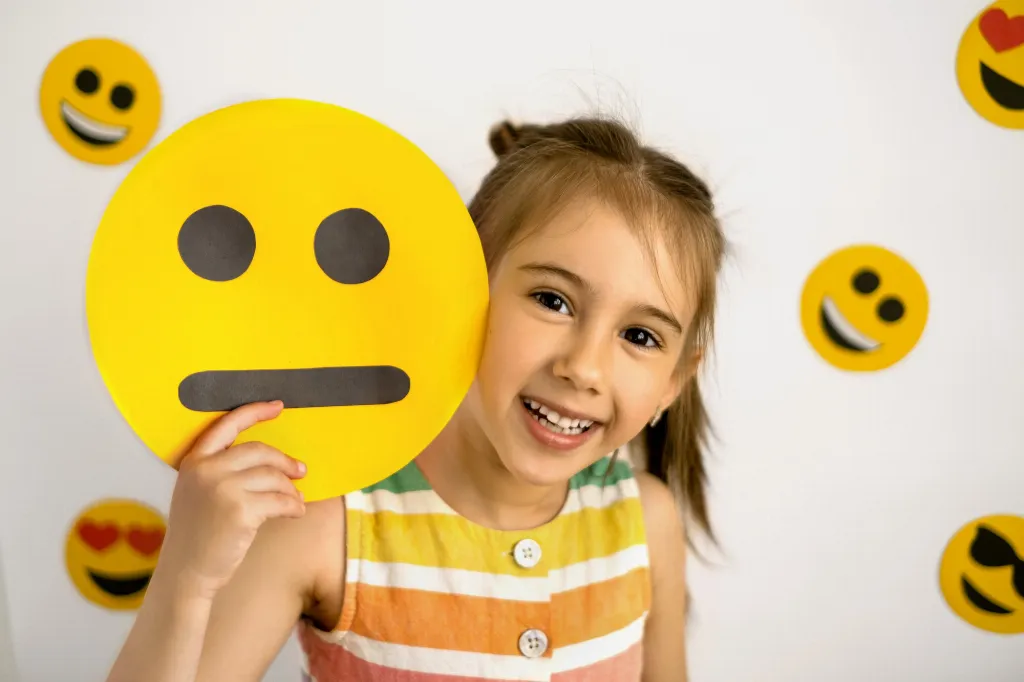
 Teaching children to notice, name, and share their feelings is an important part of early learning. When children know simple feeling words, they can ask for help, use calmer actions, and build better friendships. This helps the classroom feel safer and more peaceful. It also helps children focus, learn, and enjoy their day. #feelings #childcare #socialemotionallearning
A helpful ChildCareEd resource for this topic is Teaching Your Child About Feelings Buy Now $0.00. It shares simple, practical ways to help children name feelings, talk about emotions during daily routines, and learn safe ways to express themselves.
Why is it important to teach children about feelings?
Young children often have big emotions, but they do not always have the words to explain them. A child may feel mad, sad, scared, or excited and show it by crying, yelling, grabbing, or hitting. When we teach feeling words, we give children a better way to communicate.
This matters because children do better when they feel understood. They are more likely to calm down when a caring adult helps them name what they feel. Over time, they learn that feelings are normal and that there are safe ways to handle them.
Teaching feelings can help children:
- use words instead of hurtful actions
- ask adults for help
- understand what others may feel
- build friendships
- get ready to learn in a group
This work does not need to be hard. Small, daily practice makes a big difference.
How can teachers help children learn feeling words?
The best way is to keep it simple and repeat the same ideas often. Children learn feelings best when adults model the words in everyday moments.
You can say things like:
- “You look sad.”
- “I feel happy today.”
- “That was frustrating.”
- “You seem excited for outside time.”
These short sentences help children hear real examples. You can also ask easy questions like:
- “How do you feel?”
- “Can you point to your feeling?”
- “Do you feel happy or worried?”
- “What can help your body feel calm?”
A feelings chart can help too. Children can point to a face or picture if they do not know the word yet.
ChildCareEd has a helpful article about using this tool here: feelings charts at home and in the classroom. It explains how feelings charts can help children name emotions, ask for help, and calm down with support.
What are some easy activities to teach feelings?
You do not need long lessons. Short, playful activities work very well.
Here are some simple ideas:
- Feelings check-in: At arrival, let each child point to a feeling picture.
- Mirror faces: Make a happy, sad, mad, or scared face and ask children to copy it.
- Feelings charades: Call out a feeling and let children act it out.
- Story time questions: Pause during a book and ask, “How does this character feel?”
- Playdough faces: Let children make faces with different emotions.
- Picture matching: Match emotion words to faces.
ChildCareEd also has a related article with easy ideas you can use right away: Fun Activities to Teach Feelings and Self-Control. It shares simple activities to teach feelings and self-control in child care and at home.
A great ChildCareEd resource for this topic is: Sample Emotional Skills Lesson Plan Buy Now $0.00. This free lesson plan includes hands-on activities, visual supports, and calming choices for children from birth to age five.
What should you do when a child has big feelings?
When a child is upset, the first step is to stay calm yourself. Children often borrow calm from trusted adults. A soft voice, simple words, and a steady body can help more than a long talk.
Try these steps:
- get low so you are at the child’s level
- speak in a calm, quiet voice
- name the feeling
- set a safe limit
- offer one simple calm-down choice
For example, you might say:
- “You look really mad.”
- “I’m here to help.”
- “Hands stay safe.”
- “Let’s take a breath together.”
- “You can squeeze this pillow.”
Do not expect a child to talk a lot in the middle of a meltdown. Save teaching for later, when the child is calm again. Afterward, keep it short:
- “Next time, say ‘help please.’”
- “You were angry, and we kept everyone safe.”
- “Let’s practice a calm choice.”
ChildCareEd’s article on supporting social and emotional development is also useful for understanding why this skill matters in early childhood: Supporting Social and Emotional Development.
How can you build a daily routine for emotional learning?
Children do best when emotional learning is part of the day, not only used during problems. A short routine helps children practice when they are calm, which makes it easier to use the skill later.
A simple daily routine can include:
- a feelings check-in at arrival
- one emotion word during circle time
- a short breathing practice
- a book about feelings
- praise when children use words or calm tools
You can also create a calm-down area that feels safe and welcoming. This should not be a punishment spot. It can include:
- a feelings chart
- soft items like a pillow or stuffed animal
- picture cards with calm-down choices
- a sensory toy
- books about feelings
The goal is to teach, not shame. Children need support while they learn.
Which ChildCareEd courses fit this topic?
If your staff wants more training in this area, these ChildCareEd courses are a strong match:
This course focuses on routines, responsive care, and self-regulation skills that help children cope with change and build pro-social behavior.

This course is directly focused on children’s social and emotional development and the skills providers need to support it.
These courses fit well because they are directly tied to emotional development, self-regulation, and classroom support.
What are common mistakes to avoid?
Even caring teachers can make this harder by accident. Here are a few common mistakes:
- only teaching feelings during a meltdown
- using too many feeling words at once
- making the calm-down area feel like punishment
- giving long lectures to upset children
- expecting children to learn the skill right away
A better plan is to start with a few basic feeling words:
- happy
- sad
- mad
- scared
- calm
- excited
Practice them every day. Keep your words short. Praise children when they try.
What is the best next step for your classroom?
Start small. Pick one routine and use it every day for a week. A feelings check-in is a great place to begin. Then add one calm-down tool, like belly breathing or squeezing a soft ball. Over time, children will learn that feelings are normal, words are helpful, and calm choices are possible.
When adults stay steady and supportive, children learn important life skills. They learn how to handle hard moments, connect with others, and return to learning. That is a big win for children, families, and teachers. #preschool #emotions #earlylearning
- CDA Home Visitor Subject Area 3 Part 3 Birth to 5
- CDA Home Visitor Subject Area 2 Part 3 Birth to 5
- A Better Space for All
- CDA Infants/Toddlers: Importance of Consistent Care
- What Makes Me Special: An Overview of Autism and ADHD
- Emergent Learning & Development
- What Makes Me Special: An Overview of Autism and ADHD: For Workforce Solutions
- Creating Environments that Nurture Growth and Community
- Texas Director Credential
- CDA Infants/Toddlers: Brain Development and Gene Expression
- Importance of Play for Child Development
- National Grouch Day: Turning Grouches into Giggles, Teaching Kids about Handling Negative Emotions
- Gift of Gratitude: Fostering Emotional Intelligence in Children through Acts of Kindness
- Deck the Halls with Emotional Wellness: Family Traditions That Foster Connection
- Trauma-Informed Care: Why Your Classroom Isn’t Complete Without a Little Extra Empathy
- Party Hats and Emotional Regulation: Helping Little Ones Navigate Big New Year Feelings
- CDA Certification en Español: Recursos y Consejos para Educadores Bilingües
- Cómo Trabajar en el Cuidado Infantil en Carolina del Norte: Requisitos y Pasos
- How can child care teams help children manage big emotions?
- Canciones, juegos y preguntas de círculo para niños
- How can child care providers support emotional development in toddlers?
- How can we help children identify and express emotions in child care?
- How can child care providers teach children to name and manage emotions?
- Feelings Activities for Toddlers: Building Social and Emotional Skills
- How Do You Explain Ego to a Child Without Making It Sound Like a Bad Thing?
- How Can Child Care Providers Support Children’s Mental Wellness?
- How Can Handmade Gifts Help Children Express Appreciation?
- Why Might a Child Laugh After Making a Mistake—and How Can Providers Help?
